Bagaimana cara mendapatkan dan berlangganan majalah Poultry Indonesia?
Bagaimana cara membayar pesanan majalah Poultry Indonesia?
Apa itu Advertorial?
Bagaimana cara memasang iklan di website Poultry Indonesia?
Dari mana referensi informasi dalam majalah poultry indonesia?
Dengan siapa saya bisa bertanya seputar kesehatan, penyakit terkait unggas?
Apa itu Poultry Events?
Dengan siapa saya bisa ingin mengajukan kerjasama media partner atau mengadakan suatu kegiatan?
Apa itu Poultry Indonesia?
Poultry Indonesia merupakan majalah yang didirikan pada tahun 1979 di Jakarta, dan menjadi majalah pertama dan tertua di Indonesia yang memiliki ulasan khusus mengenai perunggasan.
Referensi informasi yang tersaji dalam majalah Poultry Indonesia tidak hanya tercakup dalam negeri saja, Poultry Indonesia telah menjalin kerjasama dengan berbagai pihak luar negeri untuk menyajikan informasi terkait perkembangan perunggasan di luar Indonesia.
Poultry Indonesia terdiri dari sekelompok orang yang memiliki dedikasi dan apresiasi tinggi terhadap pekerjaan mereka, dengan senantiasa selalu menyajikan sebuah majalah yang layak dibaca oleh masyarakat perunggasan.
Kapan Majalah Poultry terbit?
Majalah Poultry Indonesia terbit per bulan pada minggu ke-2 dan memiliki dua belas edisi setiap tahun.
Bagaimana cara mendapatkan dan berlangganan majalah Poultry Indonesia?
Majalah Poultry Indonesia tersedia di Toko Buku Gramedia namun dengan kuantiti terbatas. Anda bisa juga langsung membeli dengan menghubungi Poultry Indonesia melalui:
Advertorial adalah artikel yang dimuat di media massa dengan cara membayar yang bertujuan untuk promosi.
Selain itu juga advertorial bisa diartikan sebagai iklan yang disusun atau dibuat sedemikian rupa
sehingga seperti sebuah artikel yang dikarang oleh media cetak yang bersangkutan.
Bagaimana cara memasang iklan di website Poultry Indonesia?
Untuk dapat memasang iklan pada Website Poultry Indonesia dapat menghubungi Divisi Iklan melalui Email:
Darimana referensi informasi dalam majalah poultry indonesia?
Referensi informasi yang tersaji dalam majalah Poultry Indonesia tidak hanya tercakup dalam negeri saja, Poultry Indonesia telah menjalin
kerjasama dengan berbagai pihak luar negeri untuk menyajikan informasi terkait perkembangan perunggasan di luar Indonesia.
Koresponden Luar Negri:
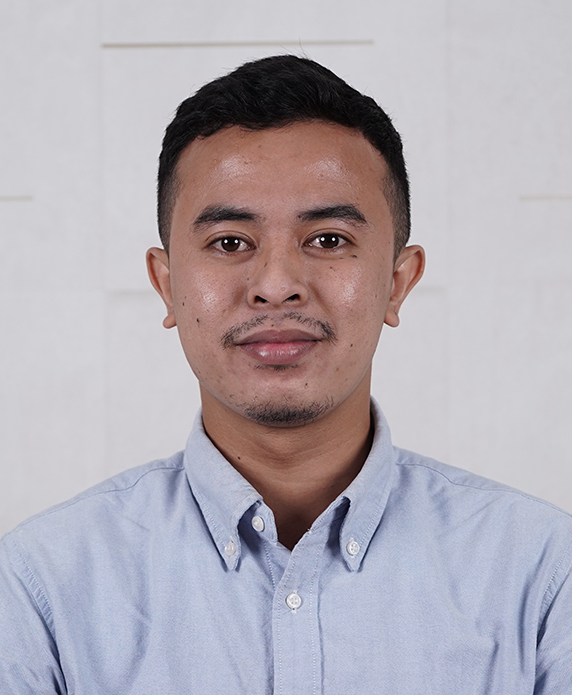
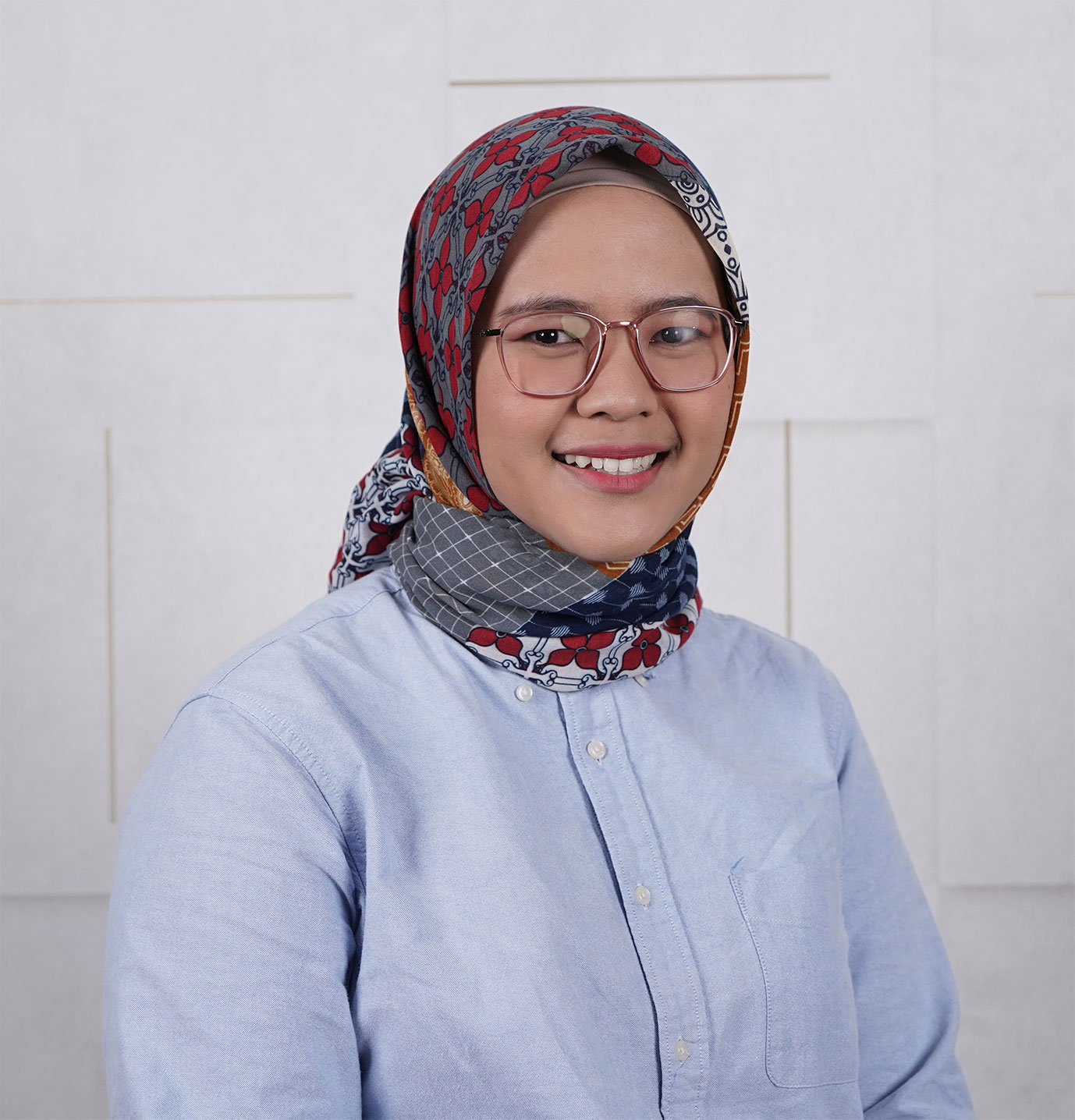
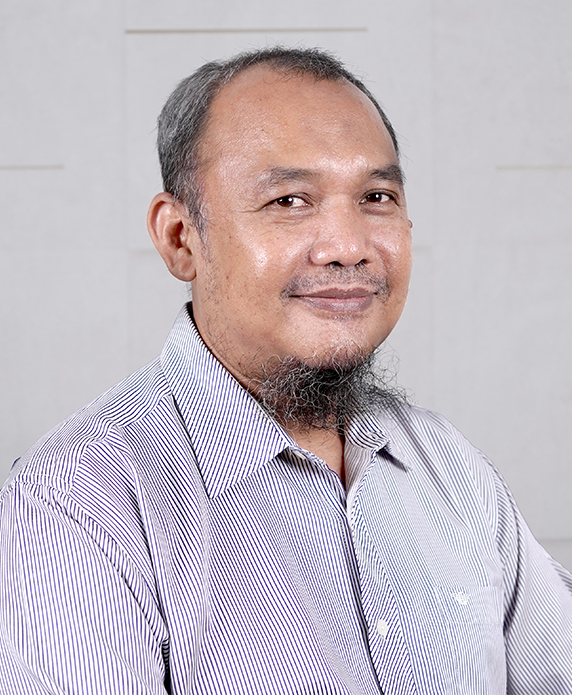
Elis Helinna (New York, Amerika Serikat)
Koresponden Dalam Negeri:
Boy Gunawan Agustino (Tegal),
Muhrishol Yafi (Sidoarjo),
Mahardika Agil Bimasono (Yogyakarta), Sri Maulidini (Purwokerto),
Tri Okto Sareji Adytia (Poso).
Dengan siapa saya bisa bertanya seputar kesehatan, penyakit terkait unggas?
“My life motto is that even when no one is watching, work must remain at its peak. Because one day, everything we learn and strive for will undoubtedly be beneficial in the future.”
In the fast-paced and uncertain poultry industry, survival is not just a matter of strategy, but also of wisdom in managing broader, comprehensive aspects. For Fransiscus Perangin-angin, his career journey is not about his title or the size of the company he works for. What matters most is how he continues to give his best regardless of his responsibilities.
After officially becoming an animal husbandry alumnus of Padjadjaran University, Frans began his career at a pioneering independent company. For approximately three years, he learned to adapt broiler development amidst limited capital and a system that was not yet fully structured. Following that, he joined a more established firm, PT Charoen Pokphand Indonesia Tbk (CPI), within the internal broiler line for 2.5 years.
“During my time at the independent company, with all the capital constraints and a less-than-organized system, the challenges were truly palpable. We had to improvise a lot and get our hands dirty. Then, when I moved to a large company that was highly structured—complete with full facilities, strong support teams, and established systems—the challenges were different again,” he shared via Zoom on Saturday (Feb 7).
Over the last six years of his journey, the man affectionately known as Frans joined PT Mitra Berlian Unggas (MBU) and currently serves as the Business Unit Vice President for Broiler. Initially, he handled broilers, breeding, and layers simultaneously. however, as the company’s expansion accelerated, his focus is now entirely on the broiler sector.
“In the beginning, I did handle breeding and layers as well. But because the development was quite rapid and the scale grew larger, I am now focusing solely on broilers to ensure maximum results and avoid doing things halfway,” he said.
Learning Across Different Poultry Sectors
His experience across broilers, breeding, and layers has given him a unique perspective. He has managed broilers in both open and closed-house systems. Additionally, he has handled breeding in closed houses and layers in open houses.
“Open and closed houses are essentially two different worlds. In an open house, oxygen is free, and we are more dependent on natural conditions. Meanwhile, in a closed house, everything is strictly controlled,” he explained.
According to Frans, the management is vastly different—from ventilation and temperature control to monitoring production performance. It is not a question of which is more difficult, but of how one adapts to the existing system. In breeding, he experienced a complexity that demands precision. In layers, he dealt more with open systems. Meanwhile, in the broiler sector, price dynamics present their own unique challenge.
Currently, MBU’s operations are spread across West Java and Banten. In West Java, farms are scattered from Pangandaran, Ciamis, Tasikmalaya, Garut, Sumedang, Bandung, and Subang, to parts of Karawang. In Banten, the largest concentrations are in Lebak and Pandeglang, with the broiler population in Banten reaching approximately four million birds.





 “During my time at the independent company, with all the capital constraints and a less-than-organized system, the challenges were truly palpable. We had to improvise a lot and get our hands dirty. Then, when I moved to a large company that was highly structured—complete with full facilities, strong support teams, and established systems—the challenges were different again,” he shared via Zoom on Saturday (Feb 7).


