



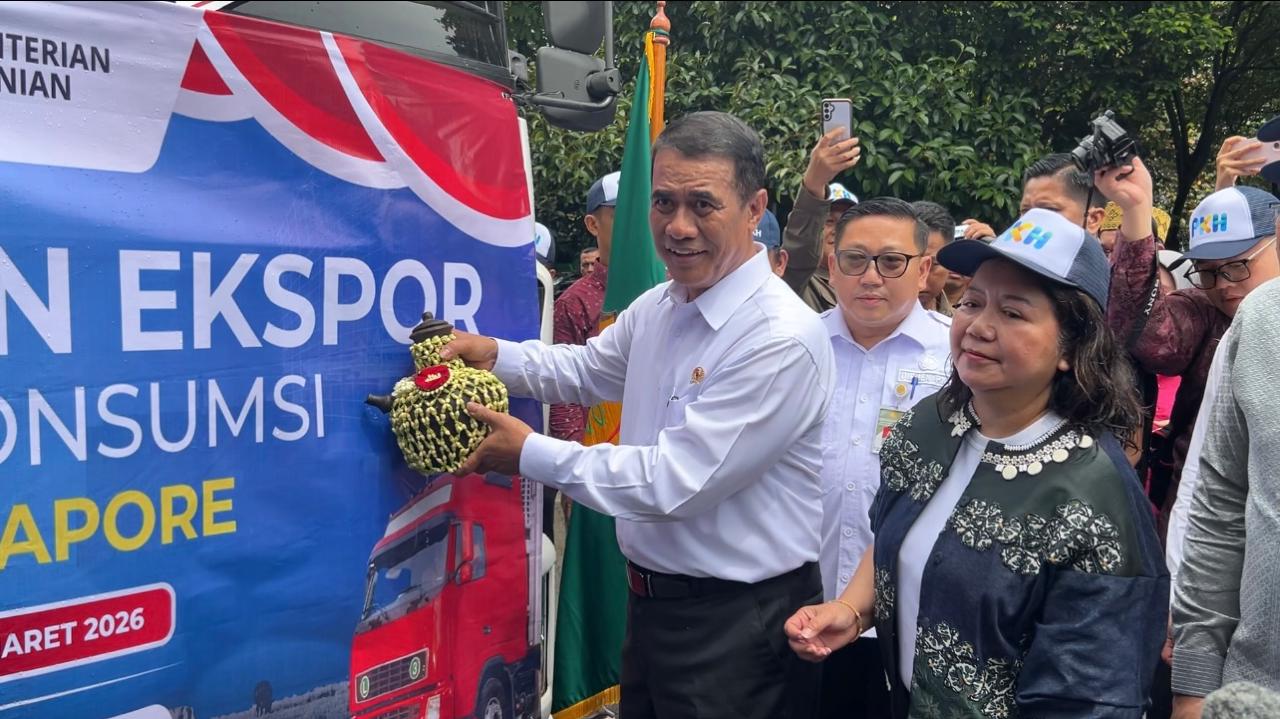
POULTRYINDONESIA, Jakarta – Indonesia’s national poultry industry has once again recorded a positive achievement by exporting poultry products to three destination countries: Singapore, Japan, and Timor-Leste. The total export volume reached 545 tons with a value of Rp18.2 billion, shipped in stages from today until March 31, 2026.
Of this amount, exports released today are valued at Rp3.3 billion, consisting of six containers with a volume of 75 tons. The products include table eggs as well as various processed chicken products, both ready-to-eat and ready-to-serve.
Minister of Agriculture Andi Amran Sulaiman emphasized that this step further strengthens the position of Indonesia’s poultry industry, which has not only achieved self-sufficiency in chicken and eggs but has also begun expanding into the global market.
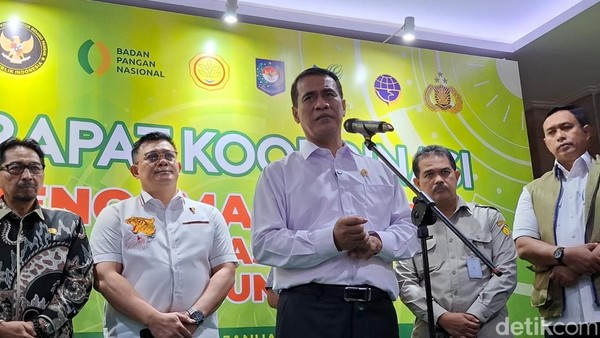
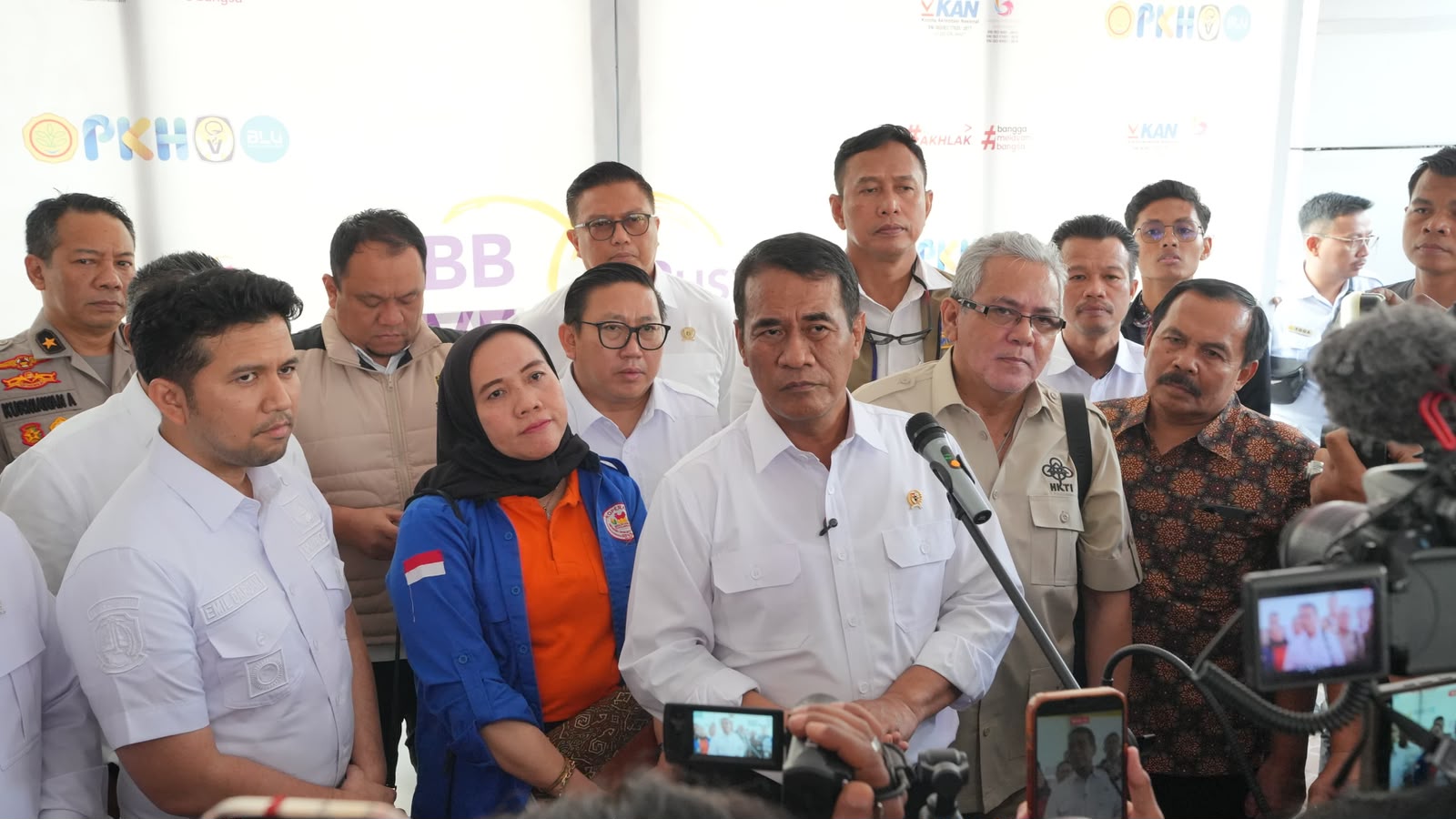
“Currently we have achieved self-sufficiency in eggs and chicken with strong production capacity. Now we are encouraging exports to other countries. Today we are releasing poultry product exports and their derivatives to three countries—Singapore, Japan, and Timor-Leste. But beyond these three countries, we have also exported to ten countries, including Oman, the United Arab Emirates, Qatar, Papua New Guinea, Myanmar, and others,” said the minister during the export release event at the Ministry of Agriculture Office in Jakarta on Tuesday (3/3/2026).
He also stressed that this export success proves that Indonesia does not rely on importing chicken from other countries.
“We agree on becoming a global food barn, both for carbohydrates and protein. Now protein, especially from poultry, is already self-sufficient and even exported,” he asserted.
The minister added that increased production should not result in falling prices at the farmer level. The government manages surplus production through domestic absorption mechanisms, including its use in the Free Nutritious Meals (MBG) program, while also expanding export access. These steps are taken to maintain supply balance and price stability.
This export activity involves four national companies. The largest contribution comes from PT Charoen Pokphand Indonesia Tbk, which exported 517 tons of table eggs—equivalent to 8.13 million eggs—to Singapore, valued at Rp15.90 billion.
Specifically on March 3, 2026, PT Charoen Pokphand Indonesia Tbk shipped 41.3 tons of eggs worth approximately Rp1.2 billion. Meanwhile, PT Japfa Comfeed Indonesia Tbk exported 6 tons of processed chicken products to Singapore, valued at around Rp1 billion.
In addition, PT Taat Indah Bersinar sent 22 tons of processed chicken and carcass products to Timor-Leste, valued at Rp837 million. Meanwhile, PT Malindo Food Delight penetrated the Japan market with six tons of processed products, such as nuggets and karaage, valued at Rp271.3 million.
For business players, this export activity provides market certainty amid abundant national production. The government utilizes the surplus to keep prices at the farmer level stable while also expanding global market access.
“We express our appreciation and gratitude to PT Gizindo Sejahtera Jaya (a subsidiary of PT Charoen Pokphand Indonesia Tbk), PT Japfa Comfeed Indonesia Tbk, PT Taat Indah Bersinar, and PT Malindo Food Delight. God willing, the government will continue to support them, especially regarding legal requirements and various export needs. This also increases foreign exchange earnings, creates jobs, and raises the added value of the products we produce,” he said.
Meanwhile, Director General of Livestock and Animal Health Agung Suganda stated that the success of these exports cannot be separated from the strengthening of the animal health system, food safety assurance, and international-standard-based supervision.
“Every exported product has gone through veterinary certification and strict supervision according to the requirements of the destination country. We ensure that aspects of traceability, biosecurity, and food safety are met so that exports can be sustained,” said Agung.
He added that opening and maintaining foreign market access is carried out through intensive veterinary diplomacy.
“We continue to strengthen technical communication with the veterinary authorities of partner countries. International market trust must be maintained through consistent quality and compliance with standards,” he explained.
With abundant production and an expanding export market, Indonesia’s poultry industry players are now in an increasingly strong position. The Ministry of Agriculture emphasized that it will continue to maintain the balance between production surplus, price stability at the farmer level, and global market expansion, ensuring that the national poultry industry becomes more independent and competitive.
Get more information about Indonesia’s poultry industry by joining the Poultry Indonesia WhatsApp Channel