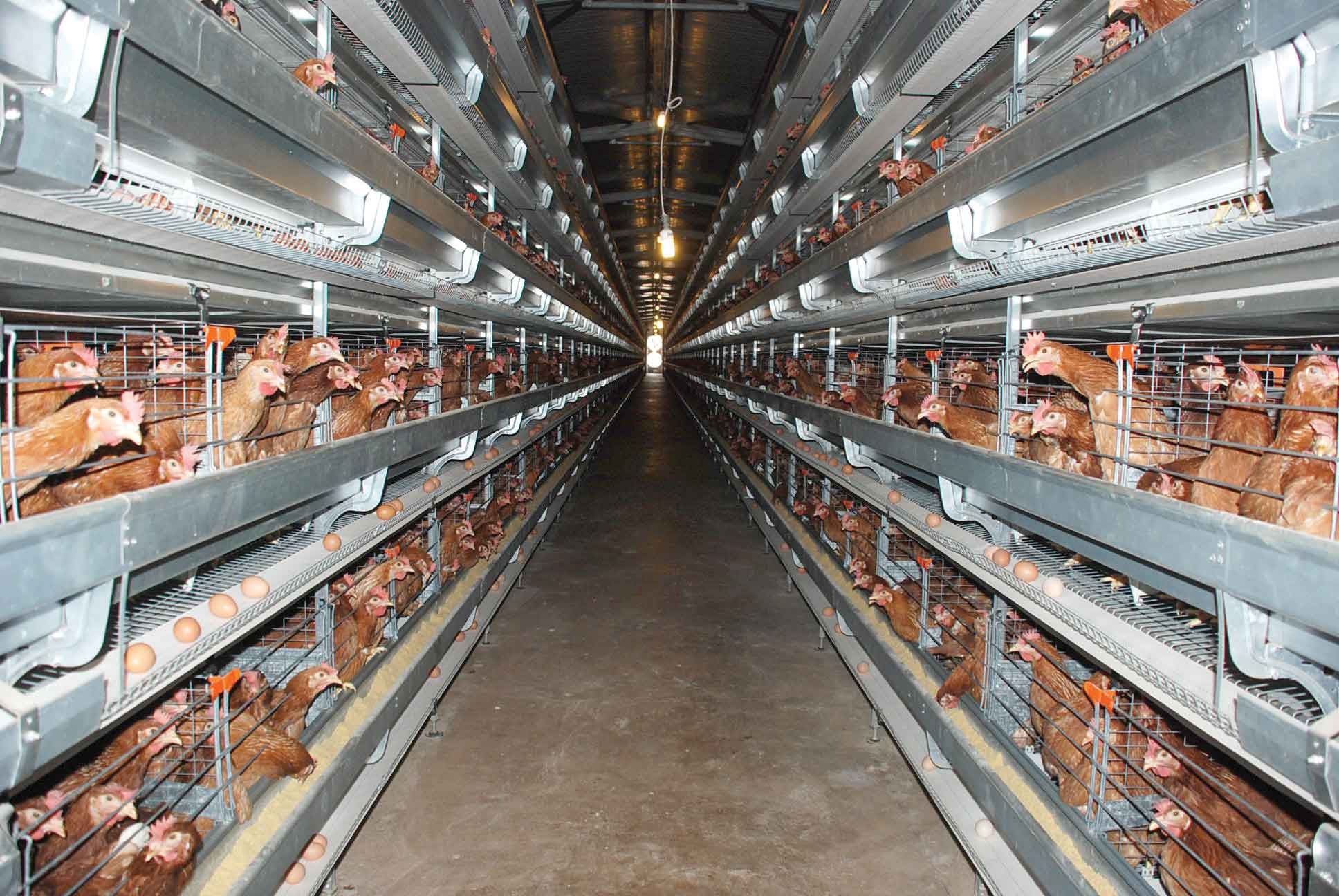




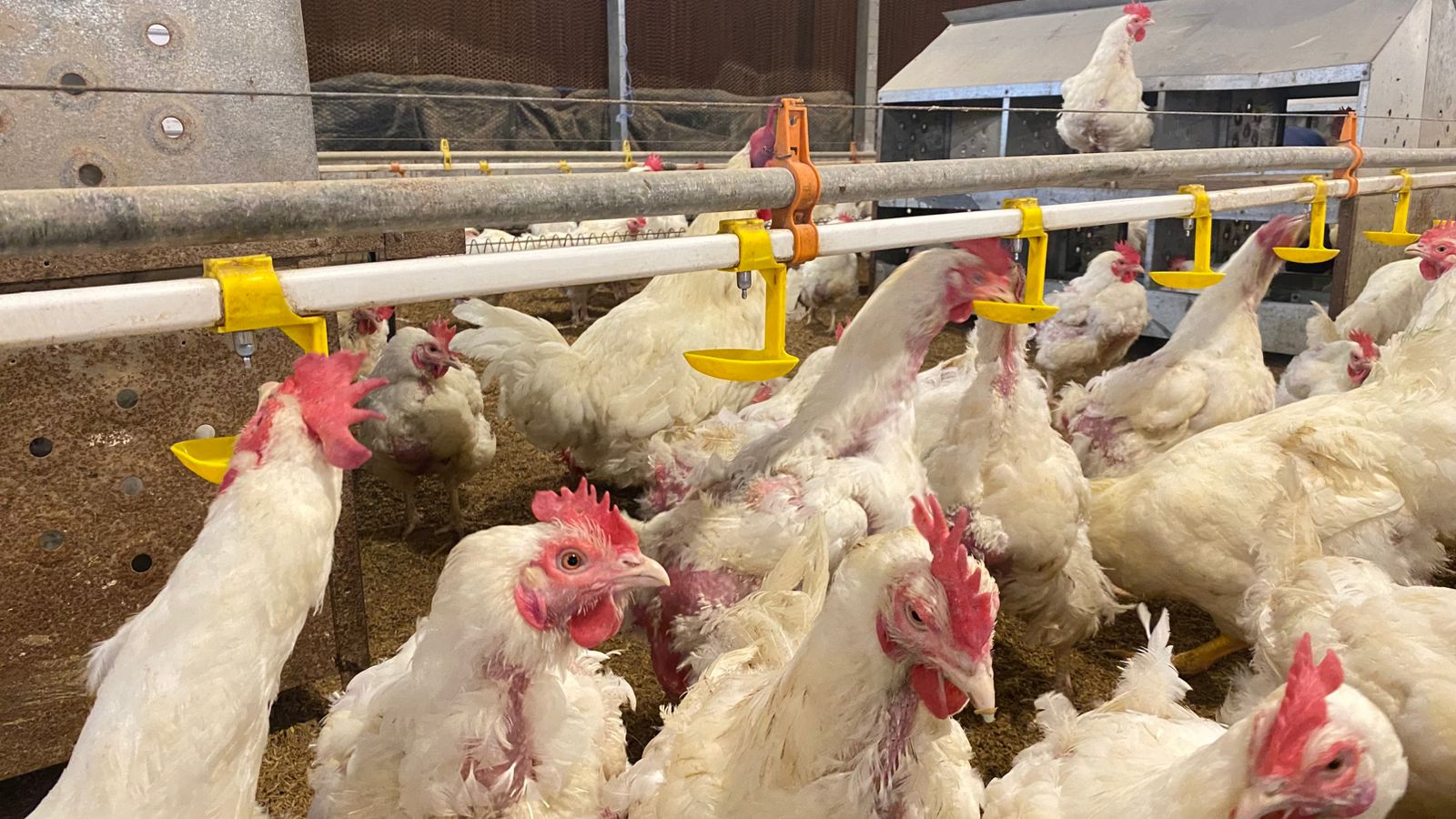
Approximately 60–70% of a chicken’s body is composed of water, making it essential for maintaining proper fluid balance.
For most poultry farmers, feed is everything. Every day, attention is focused on nutrient formulation, feed conversion efficiency, and feed costs per kilogram. Yet there is one element that is even more vital, consumed in greater quantities than feed, and ironically, often overlooked: drinking water.
Water is the primary component involved in numerous physiological processes in chickens, including metabolism, digestion, and body temperature regulation. Without an adequate supply of clean, high-quality water, chickens cannot perform these essential functions efficiently, leading to compromised health and reduced productivity. Water facilitates metabolism, transports nutrients throughout the body, and helps regulate body temperature, particularly during periods of hot weather.
It carries nutrients absorbed from feed to tissues throughout the body while also helping eliminate metabolic waste products. In addition, water plays a critical role in maintaining thermal balance, especially when temperatures inside the poultry house rise. Under heat stress conditions, chickens naturally increase their water intake as a cooling mechanism to reduce the risk of heat stress.
To gain deeper insight into drinking water management, the Poultry Indonesia team interviewed Fadhel Fajar Utama, Breeding Farm Supervisor at PT Intertama Trikencana Bersinar (ITB), in an online interview on Monday (March 9). Originally from Depok, Fadhel has spent nearly three years managing a closed-house breeder farm with a capacity of 10,000 birds. Based on his field experience, he believes that effective water management is not merely about availability, but also about quality and consistency.
The Importance of Drinking Water
When asked how significantly drinking water affects poultry performance, Fadhel emphasized that its role is crucial yet frequently underestimated by many farmers.
“Many farmers focus only on feed intake, even though water intake is equally important,” he said.
“In my opinion, water is the most important nutrient in poultry production. Water consumption is always higher than feed consumption, typically at a ratio of about 2:1. So, if water quality declines, water intake drops—and that can immediately affect production,” he explained.
At the breeder farm where Fadhel works, the primary objective is the production of hatching eggs and day-old chicks (DOCs). When birds reduce their water intake due to poor water quality—whether because of unsuitable pH levels or bacterial contamination—they may become dehydrated. This triggers a cascade of negative effects, including reduced feed intake, declining egg production, and impaired fertility in breeder males.
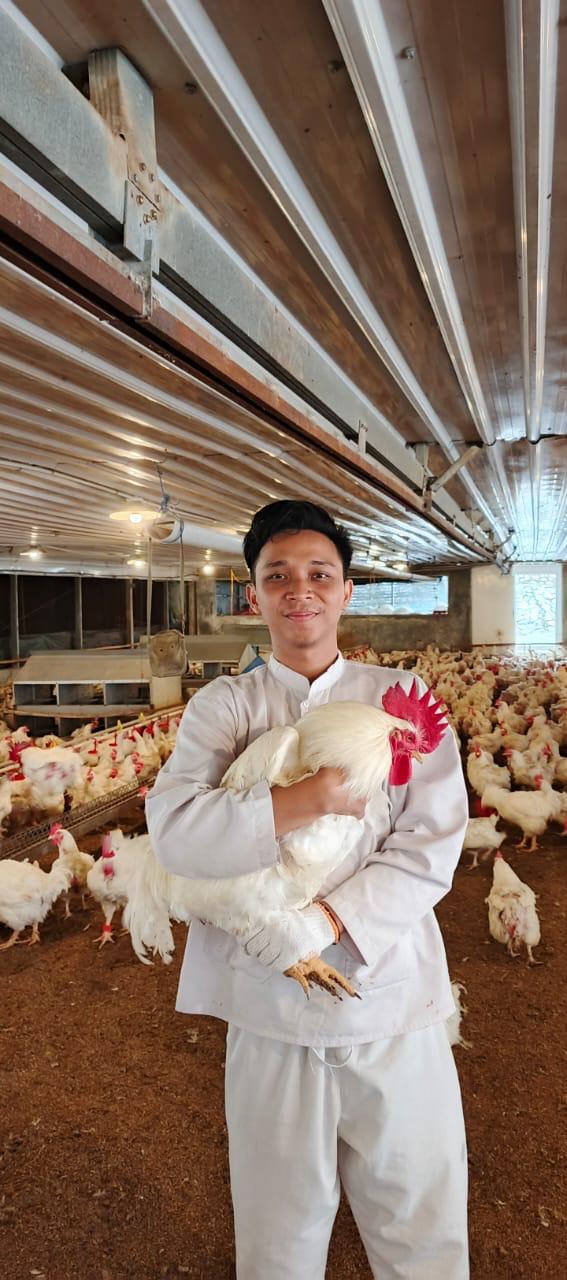
“You can immediately see the impact when there’s a problem with the water. Chickens are actually similar to humans—if the water tastes too salty or too acidic, they become reluctant to drink. The difference is that they can’t tell us verbally, but we can clearly observe it through their water intake,” Fadhel said.