



POULTRY INDONESIA, Jakarta – After months of losses caused by live broiler (livebird) prices falling well below production costs, the Indonesian government has finally stepped in. The Ministry of Agriculture (MoA) has joined forces with the National Police Food Task Force to oversee efforts to restore farm-gate prices.
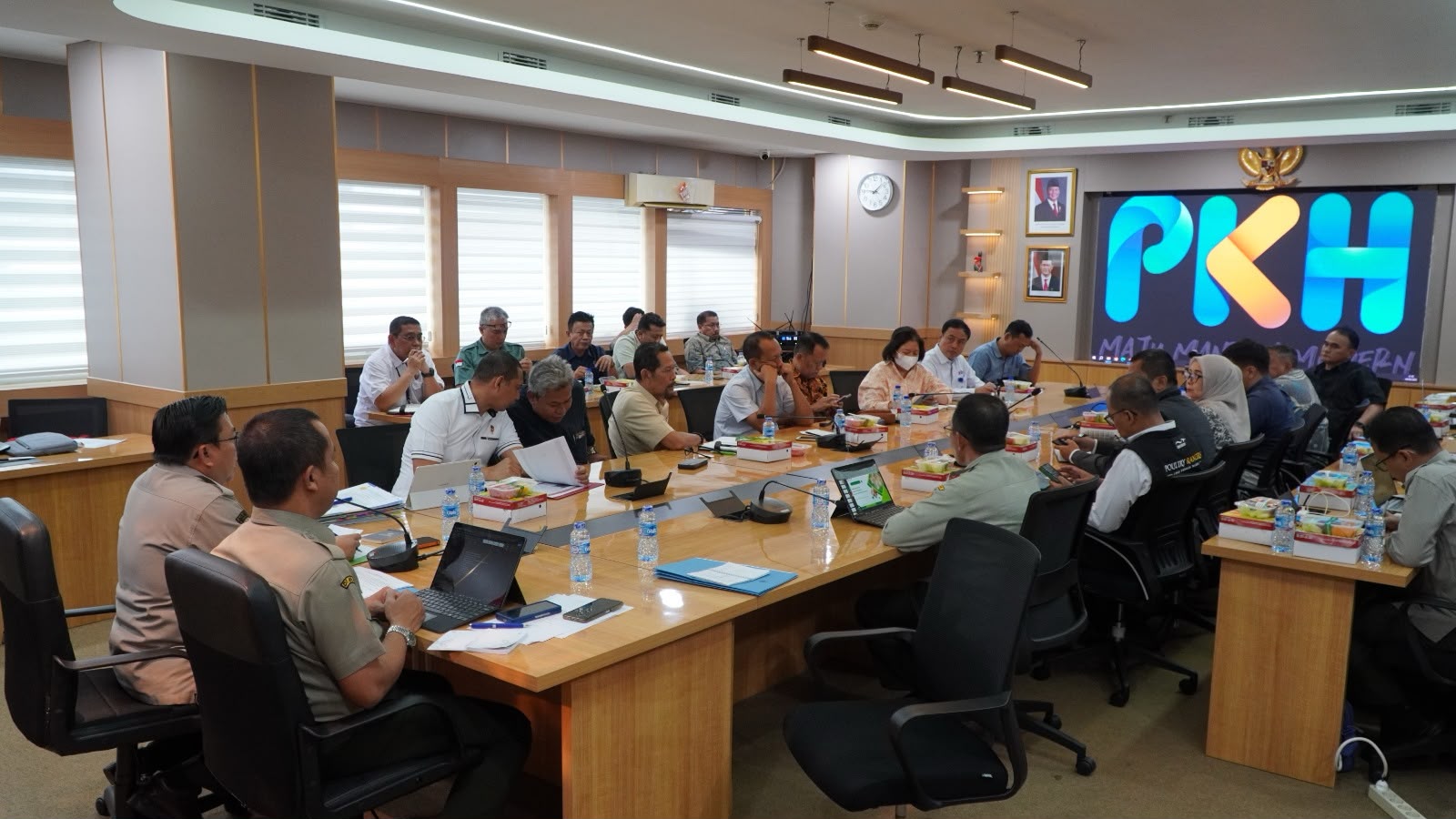
The initiative was formalized during the National Poultry Stabilization Coordination Meeting, organized by the Directorate General of Livestock and Animal Health (DGLAH) in Jakarta on Monday (June 29, 2026). The meeting brought together integrated poultry companies, poultry farmer associations, the National Police Food Task Force, and officials from the Ministry of Agriculture, resulting in a jointly signed written commitment by all stakeholders.
The price crisis is not new. Livebird prices have been declining since April 2026 and have continued to deteriorate. In several major poultry-producing regions, including West Java, prices dropped as low as Rp13,000–14,000 per kilogram, far below the estimated production cost of Rp21,000–23,000 per kilogram, driven by rising feed and day-old chick (DOC) prices throughout 2026.
According to Kusnan, Chairman of the Indonesian Independent Poultry Farmers Association (Permindo), the price gap has forced farmers to absorb losses of around Rp5,000–7,000 per kilogram of livebird, equivalent to Rp10,000–14,000 per market-ready bird weighing approximately 2 kilograms.
“The root of the problem is not merely oversupply, but also structural issues such as feed ingredient import management, liquidity pressures within the feed industry, and the weak bargaining position of independent farmers throughout the supply chain.”
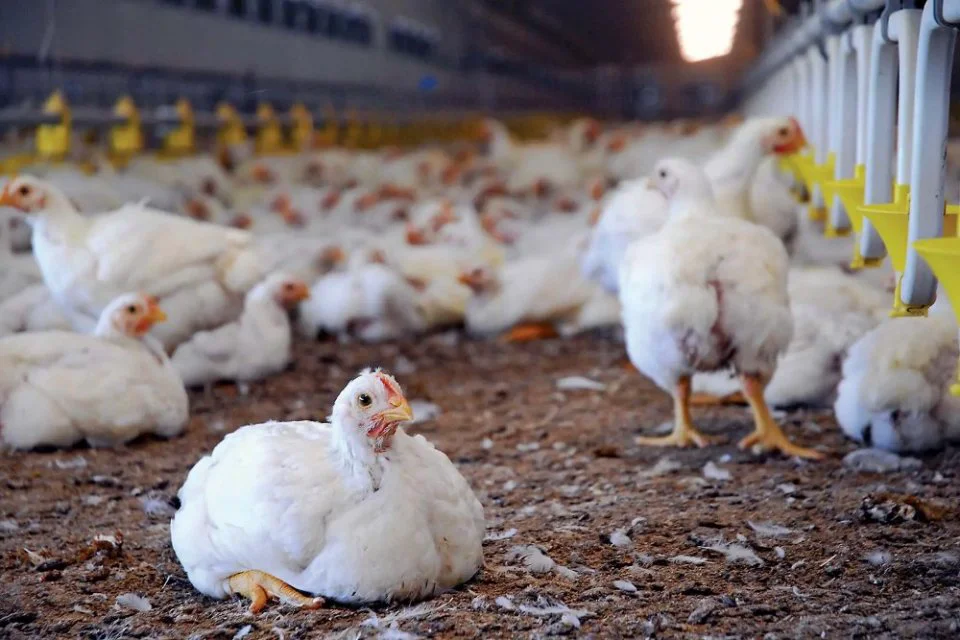
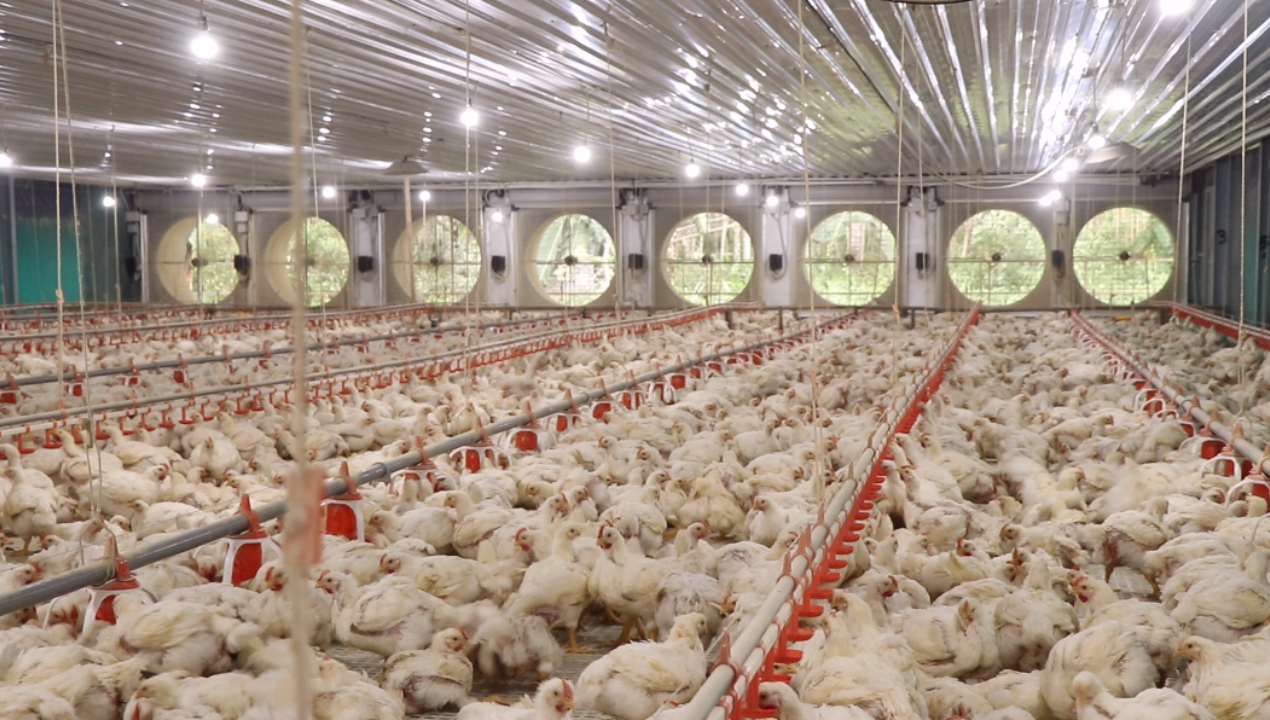
Seasonal factors have further worsened the situation. School holidays and the temporary suspension of the government’s Free Nutritious Meals (MBG) program have weakened demand, while chicken supplies on farms have remained abundant.
During the coordination meeting, stakeholders agreed on several key measures:
-
Accelerate livebird procurement by integrated poultry companies and major industry players.
-
Increase slaughtering capacity at Poultry Slaughterhouses (RPHU).
-
Gradually increase livebird prices beginning Tuesday (June 30, 2026), with a minimum target of Rp19,500 per kilogram live weight for all broiler sizes, to be achieved no later than Wednesday, July 15, 2026.
-
Once the initial target is reached, prices will continue to be pushed toward the Government Reference Price (HAP) of Rp25,000 per kilogram.
-
All poultry businesses must maintain production balance in accordance with Minister of Agriculture Regulation No. 10 of 2024.
Director General of Livestock and Animal Health, Agung Suganda, emphasized that the policy follows a direct instruction from the Minister of Agriculture to ensure farm-gate prices move promptly toward the government reference price. He added that implementation of the agreement will be monitored in stages by the Ministry of Agriculture, regional governments, the National Police Food Task Force, the Business Competition Supervisory Commission (KPPU), and poultry industry associations.
One of the agreement’s most significant aspects is its enforcement mechanism. Brig. Gen. Pol. Zain Dwi Nugroho, Head of the Task Force Command for Price, Food Safety, and Food Quality Violations under the Criminal Investigation Agency (Bareskrim), stressed that the written commitment must be fully implemented.
“If livebird transactions below the agreed price are still found in the field, sanctions will be imposed progressively and may be applied simultaneously, ranging from reductions in DOC allocations and feed supplies to recommendations for further penalties,” he said.