



By: Budi Tangendjaja*
Genetic changes have transformed the production capabilities of modern chickens, requiring increasingly precise feed formulation to translate nutrient requirements into optimal performance.
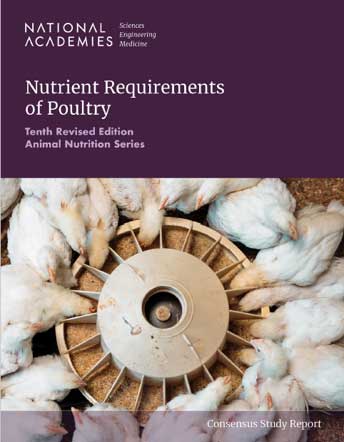
The 10th edition of Nutrient Requirements of Poultry was published by the National Academies of Sciences, Engineering, and Medicine in 2026. This consensus report updates recommendations after more than three decades and frames nutrient requirements within the context of modern production systems, nutrient digestibility, biological modeling, and the strength of available evidence. The following discussion summarizes the key implications for changes in chicken genetics, the basis for calculating nutrient requirements, broilers, and layers.
Changes in Chicken Genetics
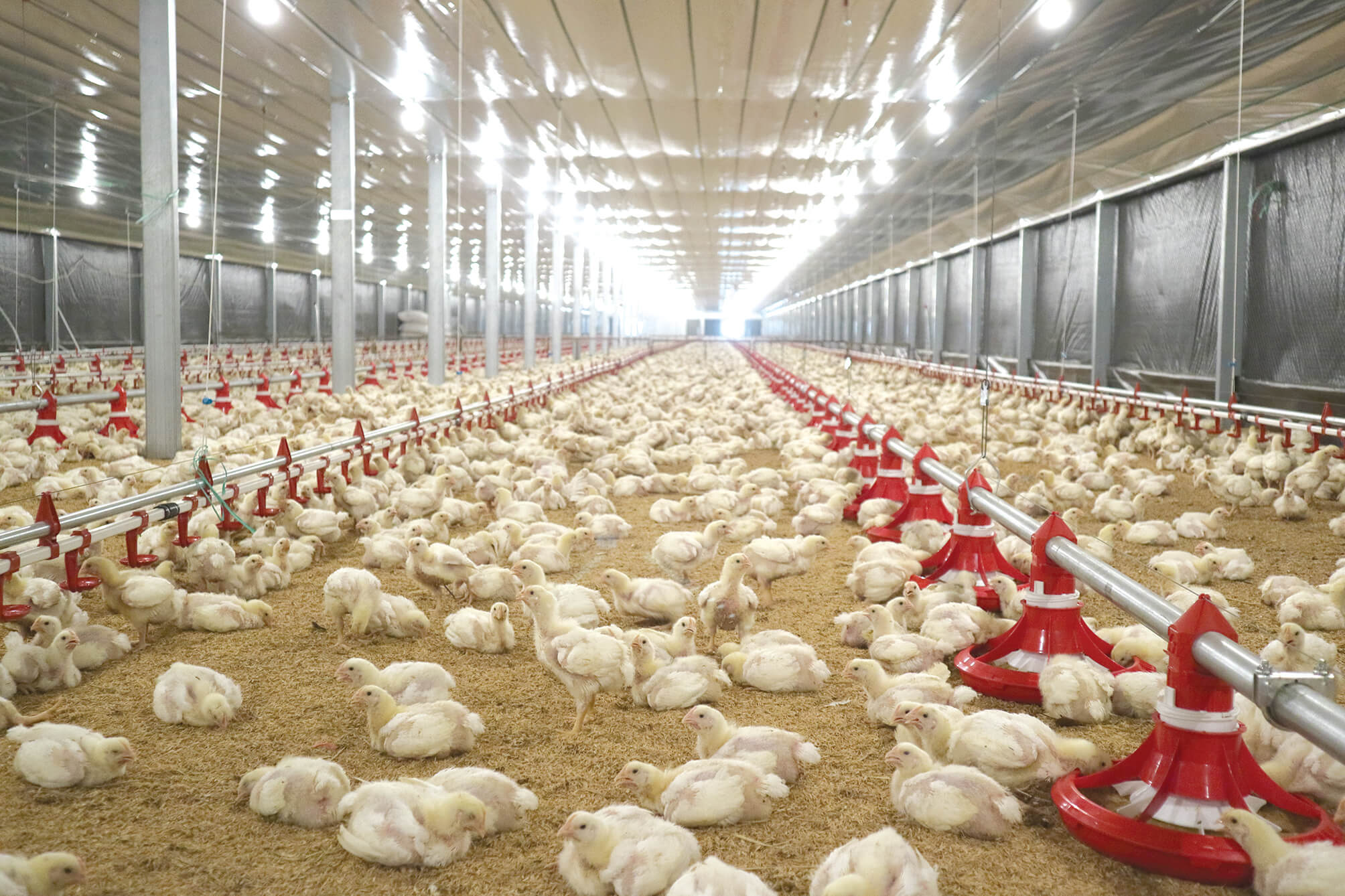
The publication of the revised 10th edition of Nutrient Requirements of Poultry in 2026 represents a major update following NRC 1994. Over the intervening 31 years, genetic selection, management, health, housing environments, and feed technology have transformed chickens’ biological capabilities. Modern broilers reach market weight more quickly, with substantially higher tissue growth rates and feed efficiency. Modern layers begin laying at relatively low body weights, produce more eggs, sustain production for longer periods, and must maintain eggshell quality through the end of the production cycle. These changes mean that historical nutrient requirement values are not always appropriate when applied directly to today’s genotypes.
Genetic selection in broilers has primarily focused on growth rate, feed conversion, carcass yield, and breast meat proportion. As a result, patterns of protein and fat deposition vary with body weight. A broiler’s energy and amino acid requirements are determined not only by age but also by the amount of tissue being formed. Two chickens of the same age may have different requirements if they differ in strain, sex, body weight, environmental temperature, or growth rate. Accordingly, NRC 2026 presents broiler recommendations based on body-weight ranges rather than rigid age-based phases.
Genetic progress has also increased the importance of nutrient balance. A deficiency in one essential amino acid can limit the utilization of other amino acids, reduce growth, and increase nitrogen excretion. Conversely, excessive protein or mineral supplementation does not automatically improve performance and may increase both costs and environmental burdens. Modern feed formulation must provide nutrients in amounts appropriate to the animal’s potential for tissue deposition rather than simply meeting a crude protein percentage. This is where the concepts of ideal protein and standardized ileal digestible amino acids become increasingly relevant.

In layers, genetic changes are reflected in greater production persistency, daily egg mass, and longer laying cycles. Hens must allocate nutrients to body maintenance, albumen and yolk formation, and eggshell mineralization. As body weight and egg mass change, daily amino acid requirements also change. Meanwhile, calcium requirements tend to increase during the later stages of production because egg size increases and the efficiency of calcium absorption or utilization may decline. For this reason, NRC 2026 groups recommendations according to production status—approaching peak, peak, and post-peak—rather than chronological age alone.
Genetics does not operate in isolation. Genetic potential can only be realized when chick or pullet quality, gut health, temperature, stocking density, lighting, drinking water, and the physical form of feed support nutrient intake and utilization. In tropical climates, heat stress reduces feed intake, meaning that nutrient concentrations per kilogram of feed may need to be increased to ensure daily requirements are still met. Thus, NRC values serve as a scientific starting point that must be translated into a formulation matrix suited to the strain, production targets, and field conditions.
The Basis for Calculating Nutrient Requirements
NRC 2026 distinguishes biological requirements from practical dietary specifications. The values in the report essentially represent minimum levels that support optimal production and prevent deficiency symptoms under research conditions. They do not automatically include safety margins for variations in raw materials, weighing and mixing errors, storage losses, disease or heat stress, or differences between flocks. Nutritionists need to incorporate safety margins rationally rather than increasing every nutrient without a sound basis.
This article is an excerpt from the Opinion section of the October 2026 issue of Poultry Indonesia magazine. Read the full article in the October 2026 issue of Poultry Indonesia magazine. For subscriptions or further information, contact us via WhatsApp or email sirkulasipoultry@gmail.com.
**Get more information about Indonesia’s poultry industry by joining the Satwa Media Group WhatsApp Channel.