



Humidity, temperature, and water quality are key factors to monitor during the rainy season. Carefully assessing environmental changes is essential to maintaining broiler health and performance.
The El Niño phenomenon, which causes prolonged dry spells, has frequently been a major concern throughout this year. Its effects have not only been widely discussed across various media channels but have also been felt directly in everyday life. However, as a tropical country, Indonesia will continue to experience the seasonal cycles of rainfall and dry weather.
According to a release from the Meteorology, Climatology, and Geophysics Agency (BMKG), most parts of Indonesia are predicted to enter the rainy season in November and December 2026. The rainy season is expected to begin in northern Sumatra before gradually spreading to other parts of the country. Meanwhile, most regions of Indonesia are predicted to experience peak rainfall during December 2026, January 2027, and February 2027.
For poultry farmers, the rainy season brings several challenges, ranging from increased humidity and lower temperatures to the risk of infections and declining water quality. Adaptive housing management, environmental control, and health monitoring are essential to maintaining performance and minimizing potential losses.
Be Prepared for the Rainy Season
The rainy season increases environmental humidity. Humid and cold air not only makes chickens less comfortable but also creates conditions conducive to the growth of pathogenic microorganisms, including bacteria, viruses, and fungi.
High humidity inside poultry houses causes litter to become wet and clump more quickly. These conditions can accelerate ammonia formation and increase the risk of respiratory problems. High humidity can also contribute to an increased heat stress index, meaning chickens may still experience stress even when ambient temperatures are relatively low.
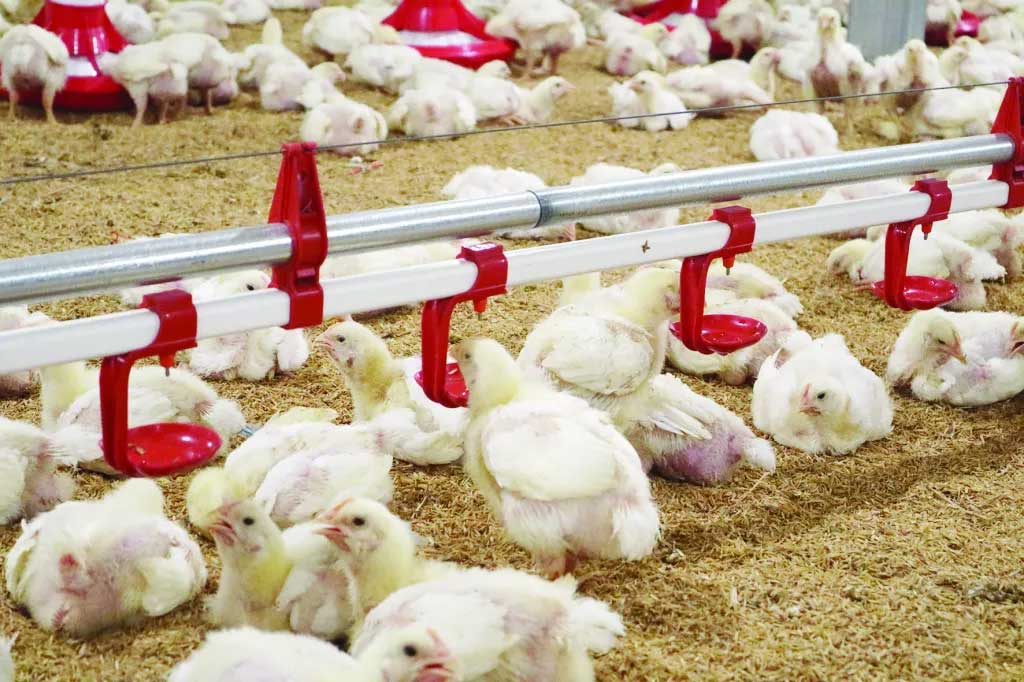
Lower temperatures during the rainy season can also trigger cold stress, particularly in chickens during the brooding phase (0–14 days of age). Young chicks cannot yet regulate their body temperature optimally. Exposure to cold air can cause their body temperature to fall below the normal range of 40–40.8°C.
Chickens experiencing cold stress typically show reduced feeding activity and tend to huddle together to maintain their body temperature. This can prevent feed intake from reaching target levels, hinder organ development, and compromise the immune system. In extreme conditions, cold stress can also trigger complications such as hydropericardium or ascites.
Heavy rainfall can also affect groundwater quality. Flooding and rising groundwater levels may cause well water to become cloudy, develop an unpleasant odor, or become contaminated with organic particles and mud. These conditions can promote biofilm formation inside drinking water pipes, creating an environment where pathogenic bacteria such as E. coli and Salmonella spp. can proliferate.
Contaminated water increases the risk of disease transmission, including colibacillosis. This risk becomes greater when water sources are located near manure piles, rice fields, or poorly maintained sanitation systems.
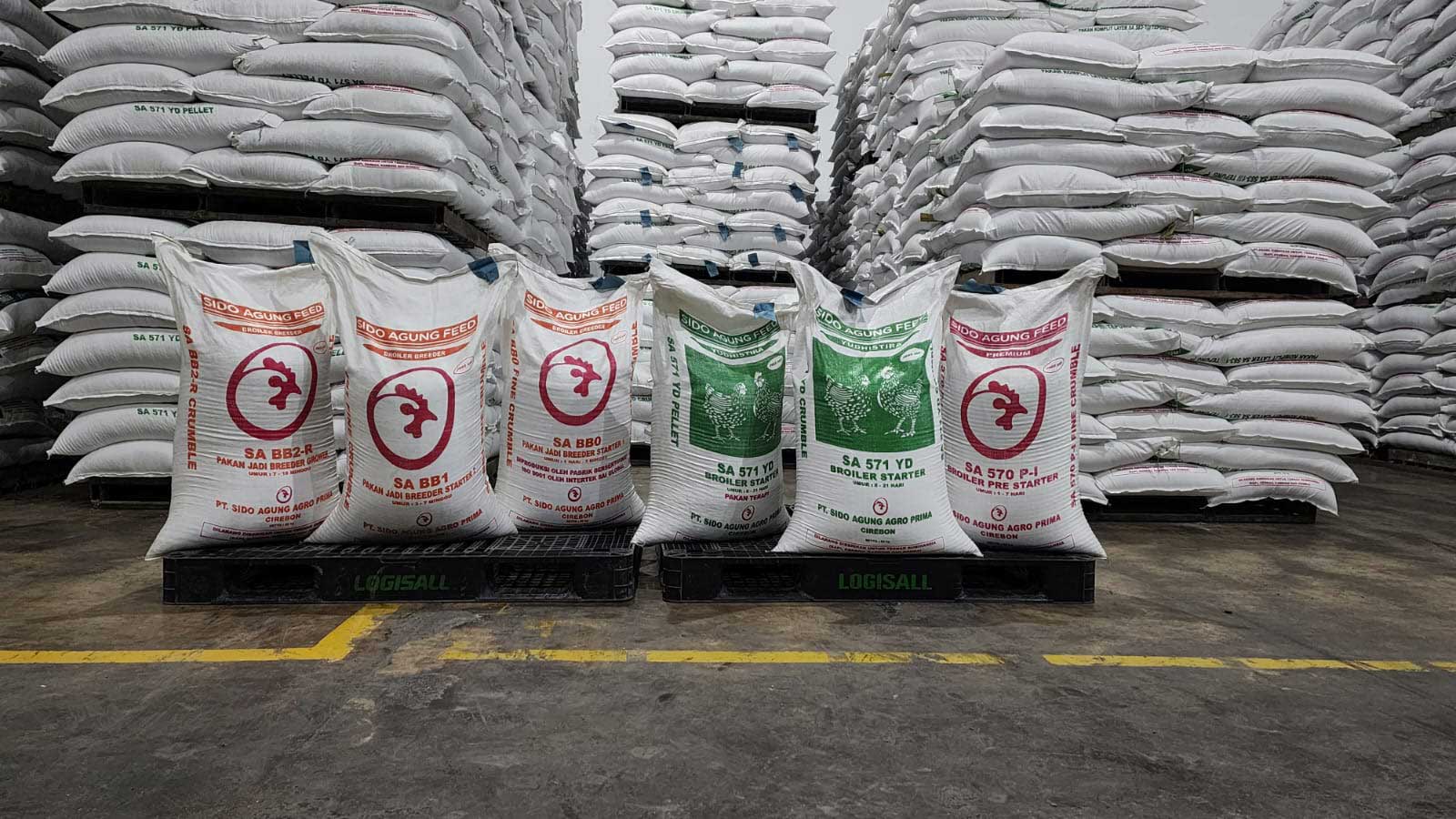
High humidity during the rainy season also requires careful attention to feed storage. Feed stored under damp conditions is more susceptible to fungal growth, including Aspergillus, which can produce mycotoxins.
Fungal growth not only reduces feed palatability but can also cause health problems, such as aspergillosis and metabolic disorders resulting from fungal toxins (mycotoxicosis). Ultimately, these conditions can adversely affect the growth and production performance of broiler chickens.
Pay Attention to Poultry Management
Ambient temperature and humidity are two parameters that require closer monitoring during the rainy season. Therefore, consistent recording of poultry house conditions is essential as a basis for making appropriate management adjustments.
In closed-house systems, farmers can adjust ventilation management by regulating fans, inlets, and outlets. Meanwhile, in open-house systems, curtain opening and closing can be adjusted according to environmental conditions.
This article is an excerpt from the Management Practices section of the October 2026 issue of Poultry Indonesia magazine. Read the full article in the October 2026 issue of Poultry Indonesia magazine. For subscriptions or further information, contact WhatsApp or email sirkulasipoultry@gmail.com.
Get more information about Indonesia’s poultry industry by joining the Satwa Media Group WhatsApp Channel.