Bagaimana cara mendapatkan dan berlangganan majalah Poultry Indonesia?
Bagaimana cara membayar pesanan majalah Poultry Indonesia?
Apa itu Advertorial?
Bagaimana cara memasang iklan di website Poultry Indonesia?
Dari mana referensi informasi dalam majalah poultry indonesia?
Dengan siapa saya bisa bertanya seputar kesehatan, penyakit terkait unggas?
Apa itu Poultry Events?
Dengan siapa saya bisa ingin mengajukan kerjasama media partner atau mengadakan suatu kegiatan?
Apa itu Poultry Indonesia?
Poultry Indonesia merupakan majalah yang didirikan pada tahun 1979 di Jakarta, dan menjadi majalah pertama dan tertua di Indonesia yang memiliki ulasan khusus mengenai perunggasan.
Referensi informasi yang tersaji dalam majalah Poultry Indonesia tidak hanya tercakup dalam negeri saja, Poultry Indonesia telah menjalin kerjasama dengan berbagai pihak luar negeri untuk menyajikan informasi terkait perkembangan perunggasan di luar Indonesia.
Poultry Indonesia terdiri dari sekelompok orang yang memiliki dedikasi dan apresiasi tinggi terhadap pekerjaan mereka, dengan senantiasa selalu menyajikan sebuah majalah yang layak dibaca oleh masyarakat perunggasan.
Kapan Majalah Poultry terbit?
Majalah Poultry Indonesia terbit per bulan pada minggu ke-2 dan memiliki dua belas edisi setiap tahun.
Bagaimana cara mendapatkan dan berlangganan majalah Poultry Indonesia?
Majalah Poultry Indonesia tersedia di Toko Buku Gramedia namun dengan kuantiti terbatas. Anda bisa juga langsung membeli dengan menghubungi Poultry Indonesia melalui:
Advertorial adalah artikel yang dimuat di media massa dengan cara membayar yang bertujuan untuk promosi.
Selain itu juga advertorial bisa diartikan sebagai iklan yang disusun atau dibuat sedemikian rupa
sehingga seperti sebuah artikel yang dikarang oleh media cetak yang bersangkutan.
Bagaimana cara memasang iklan di website Poultry Indonesia?
Untuk dapat memasang iklan pada Website Poultry Indonesia dapat menghubungi Divisi Iklan melalui Email:
Darimana referensi informasi dalam majalah poultry indonesia?
Referensi informasi yang tersaji dalam majalah Poultry Indonesia tidak hanya tercakup dalam negeri saja, Poultry Indonesia telah menjalin
kerjasama dengan berbagai pihak luar negeri untuk menyajikan informasi terkait perkembangan perunggasan di luar Indonesia.
Koresponden Luar Negri:
Elis Helinna (New York, Amerika Serikat)
Koresponden Dalam Negeri:
Boy Gunawan Agustino (Tegal),
Muhrishol Yafi (Sidoarjo),
Mahardika Agil Bimasono (Yogyakarta), Sri Maulidini (Purwokerto),
Tri Okto Sareji Adytia (Poso).
Dengan siapa saya bisa bertanya seputar kesehatan, penyakit terkait unggas?
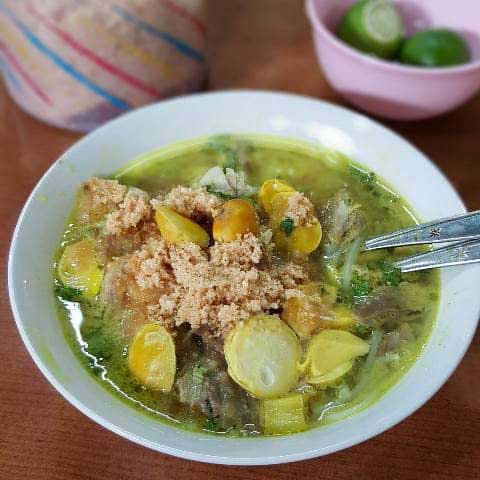
When speaking of East Javanese culinary specialties, the name soto Lamongan almost always makes it onto domestic tourists’ itineraries when visiting Surabaya. Despite originating from Lamongan, this dish has grown immensely popular through a number of legendary eateries in the Heroes’ City (Kota Pahlawan). Among the many soto Lamongan vendors there, soto Lamongan Cak Har stands out as one culinary destination that is virtually never empty of visitors.
If you are a lover of Indonesian cuisine, the combination of flavors at this establishment will be hard to resist. Its warm yellow broth delivers a savory and refreshing taste in a single bowl, accompanied by shredded chicken, vermicelli, cabbage, and a generous sprinkling of savory Lamongan koya—made from crushed prawn crackers and fried garlic. A portion of this dish is also completed with pieces of unlaid eggs (telur muda), which add a soft, tender texture when eaten.
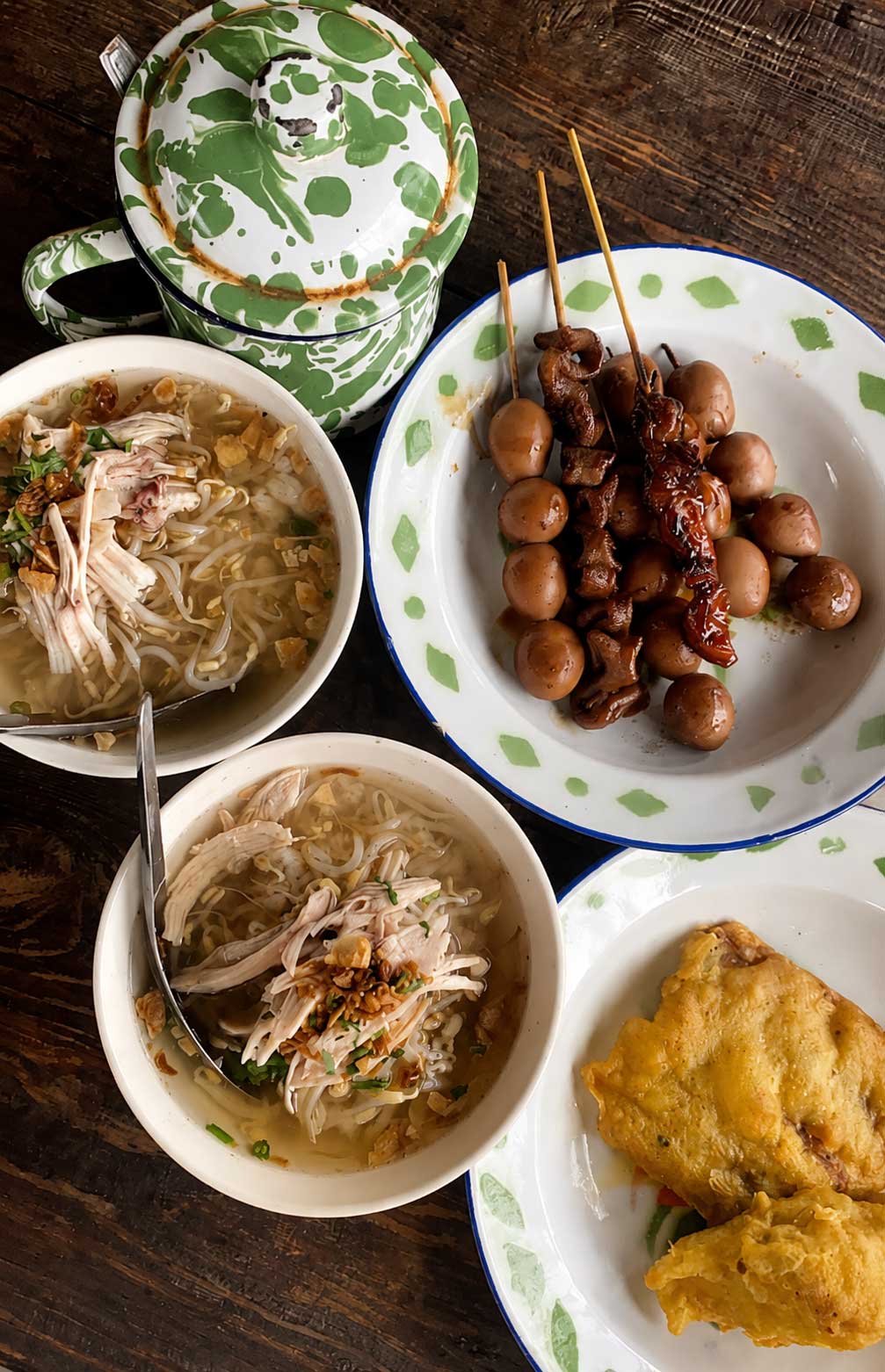
Unlike many other restaurants, the highlights of this eatery are its rich broth and an incredibly generous serving of koya. A squeeze of lime and a constant supply of chopped scallions also add a fresh, light touch to every spoonful. Visitors can also add various skewers—such as intestines, liver, gizzard, or chicken skin—as side dishes, making the dining experience feel even more complete and uniquely characteristic of East Javanese street food.
One of the reasons this place is a favorite among local tourists is its famously budget-friendly portions. For around IDR 28,000 per portion, customers can enjoy the soto Lamongan and are still allowed to request extra chicken bones (balungan) or chicken feet (ceker) at no additional cost. For travelers, enjoying soto Lamongan in Surabaya offers a memorable experience of tasting East Java’s culinary heritage that leaves many wanting to come back for more. – Anggi
Soto Lamongan Recipe
Main Ingredients
1 spent hen (ayam afkir), cut into pieces as desired
200 grams chicken feet (ceker), to make the broth more savory
2 liters water
2 stalks lemongrass, bruised
4 kaffir lime leaves
3 Indonesian bay leaves (daun salam)
2 inches galangal, bruised
Salt, sugar, and broth powder to taste
Cooking oil for sautéing
Spice Paste (Bumbu Halus)
10 shallots
6 cloves garlic
5 candlenuts, toasted
3 cm turmeric
2 cm ginger
1 tbsp coriander seeds
½ tsp cumin
Side Dishes & Garnishes (Bahan Pelengkap)
Glass noodles (soun) or rice vermicelli
Cabbage, thinly sliced
Boiled unlaid eggs (telur muda, usually found inside spent hens)
Scallions and celery, finely chopped
Fried shallots
Key limes
Chili paste (sambal)
Koya Powder Ingredients
6 fried prawn crackers (kerupuk udang)
4 cloves garlic, sliced and fried until crisp
Cooking Instructions
Boil the chicken and chicken feet until fully cooked and the broth is formed. Skim off any foam that rises to the surface to keep the broth clear. Remove the chicken, then flash-fry it briefly to firm up the texture before shredding.
Add the lemongrass, kaffir lime leaves, bay leaves, and galangal into the boiling chicken broth.
Sauté the spice paste until fragrant and thoroughly cooked. Pour it into the boiling chicken broth, then season with salt, sugar, and broth powder to taste.
Grind the fried prawn crackers and fried garlic together until they turn into a fine koya powder.
Assemble the serving bowls with vermicelli, cabbage, and shredded chicken. Pour the piping hot broth over the top, then garnish with koya, scallions, unlaid eggs, chili paste, and a squeeze of fresh lime juice right before serving.