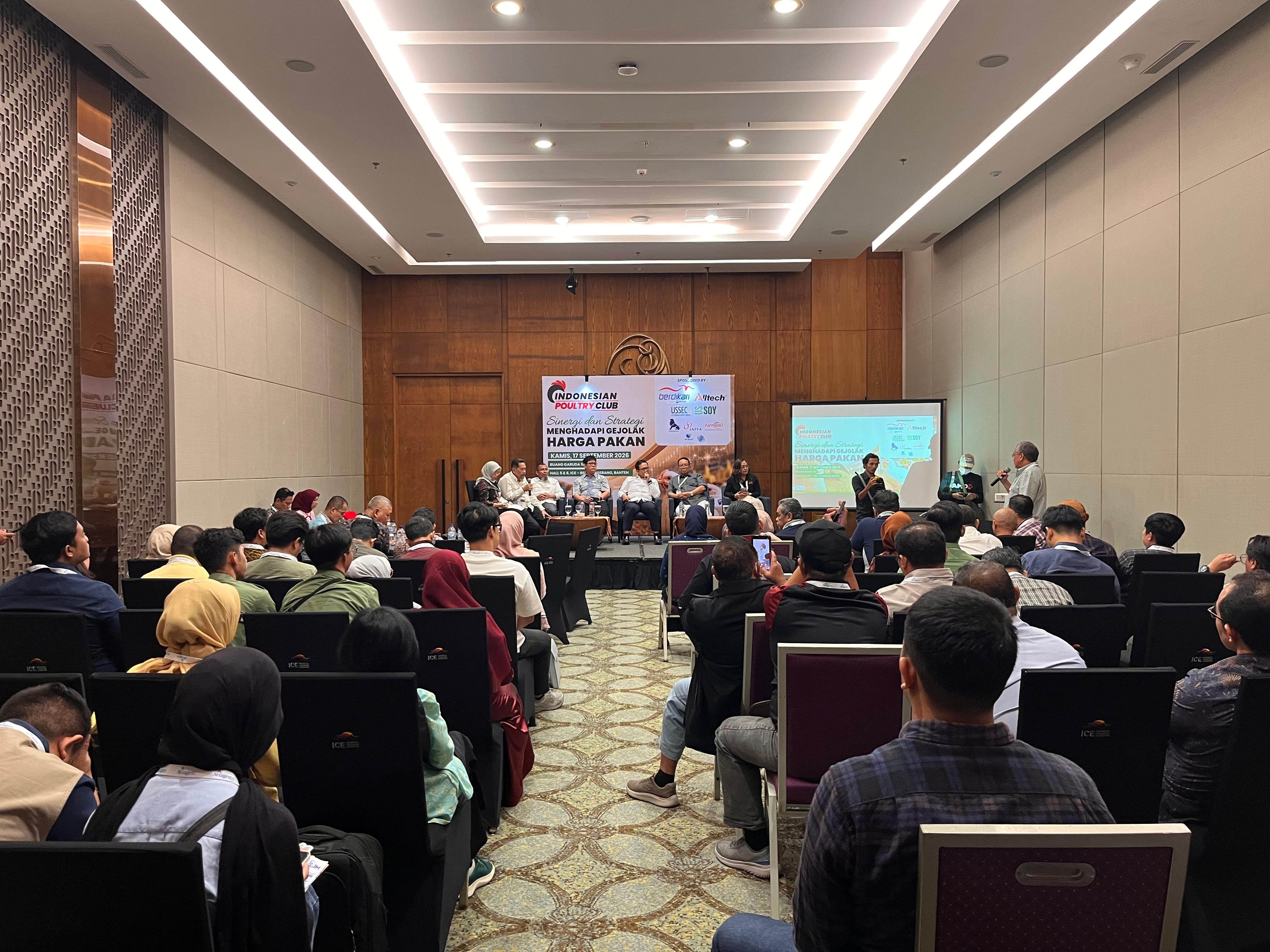




POULTRYINDONESIA, Tangerang – Amid growing demands for food safety and more efficient poultry product distribution, the cold chain system remains one of the critical areas that has yet to be fully optimized in Indonesia. Gaps in infrastructure, governance, and consistency in implementing the cold chain continue to pose challenges that directly affect the quality and competitiveness of the national poultry industry. This issue was highlighted during the 2026 MIPI–WPSA Indonesia National Seminar held at NICE, PIK 2, Jakarta, on Wednesday (6/5).
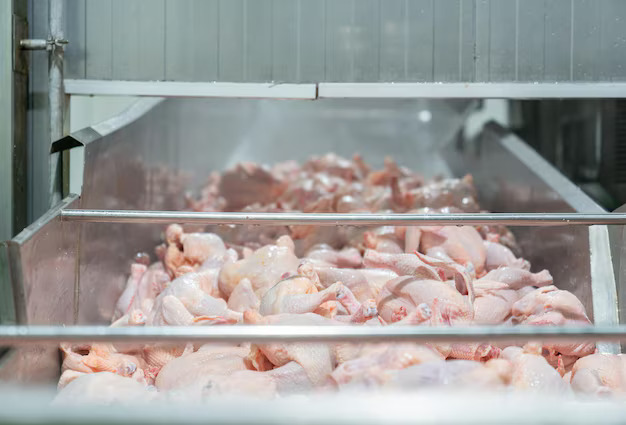
Lecturer at Padjadjaran University (Unpad), Dr. Wendry Setiyadi Putranto, emphasized that the main weaknesses of Indonesia’s cold chain system are still clearly visible from upstream to downstream. Most poultry slaughterhouses (RPA) are not yet equipped with proper cooling facilities, causing carcasses to be marketed directly at room temperature without adequate chilling processes.
The challenge lies not only in infrastructure, but also in market behavior. Indonesian consumers still tend to perceive “fresh chicken” as poultry sold at room temperature, while chilled products are often suspected of being refrozen. This perception has slowed the development of cold chain implementation. In fact, storing chicken meat at room temperature, whether raw or cooked, significantly increases the risk of food poisoning.
“After investigating several cases, we found Salmonella contamination reaching 10⁵ CFU/g in boiled chicken that had been cooked at night, then left at room temperature before being shredded the next morning without the use of gloves,” he explained.
Another case involved seasoned chicken (ayam ungkep) left in a pot for around five hours at room temperature before frying. Under those conditions, contamination by Staphylococcus aureus was detected. This bacterium becomes dangerous when its population reaches 10³–10⁴, as toxins are formed at that level. These toxins are heat-resistant, meaning they are not destroyed during cooking and may lead to food poisoning.
Wendry stressed that the cold chain concept should be implemented comprehensively and continuously, from slaughterhouses all the way to consumers. The process includes pre-chilling after slaughter to reduce carcass temperature to 0–4°C within a maximum of four hours, followed by storage in cold storage or chillers, distribution using refrigerated trucks, and proper handling at retail and household levels. However, in practice, this chain is often broken, especially in traditional markets where products are still sold without refrigeration facilities.
On the other hand, temperature monitoring systems are also not yet functioning effectively. Even facilities that already have chillers often fail to optimize their use because business operators are reluctant to deal with the complexity of temperature recording and audit requirements. He also pointed out that cold chain management has not yet become a critical point in halal audits, which currently remain focused mainly on slaughtering processes.
“But if we rely solely on cooling, bacteria are actually just ‘inactive.’ Once the cold chain is broken, they can become active again. That’s why additional interventions are needed, such as irradiation or cold pasteurization, to truly suppress pathogens. Going forward, we also need real-time temperature monitoring systems, including during distribution, so the cold chain can genuinely be maintained from upstream to downstream,” he said.
According to him, strengthening the cold chain system is no longer merely an option, but an urgent necessity to maintain poultry product quality while meeting increasingly stringent market demands for food safety standards. — Anggi