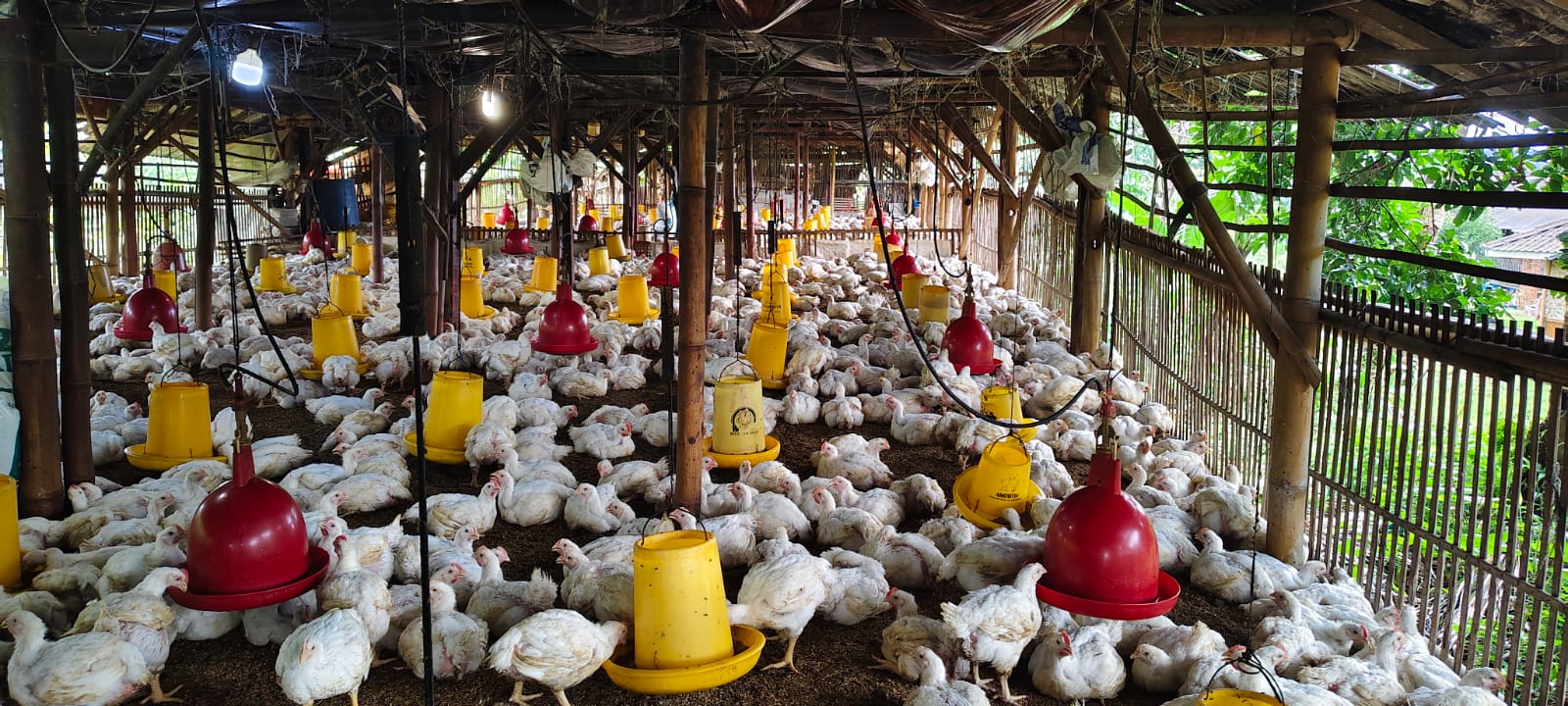




POULTRYINDONESIA, Jakarta – The Ministry of Agriculture (MOA) continues to encourage a gradual increase in live broiler prices at the farm level, aiming to bring them above production costs and closer to the Reference Purchase Price (HAP) of IDR 25,000/kg. In the meantime, the government has urged that prices remain at a minimum of IDR 22,000/kg. The ministry acknowledges that live broiler prices at farm gates in several regions, particularly for independent farmers, remain under pressure and have yet to fully cover production costs.
Since May 2026, the government and industry stakeholders have agreed on a minimum price of IDR 19,500/kg for chickens weighing 1.8 kg or more. However, this agreement has not been fully implemented in the field. Between June and July, farm-gate prices even fell to around IDR 12,000–14,000/kg.
To address this situation, the government has taken several measures, including temporarily suspending all poultry business recommendation services, controlling day-old chick (DOC) production, and urging poultry slaughterhouses to increase their absorption of chickens from farmers.
Entering August–September, live broiler prices at the farm level were relatively stable at around IDR 22,000–23,000/kg. However, conditions changed again in October, when prices declined to IDR 18,000–20,000/kg. The government subsequently maintained the suspension of all recommendation services until prices stabilized again at a minimum of IDR 22,000/kg.
In early November, monitoring by farmers’ associations indicated an improvement in prices to around IDR 21,000–22,500/kg. Although prices have started to recover, they remain close to production costs and have yet to provide farmers with sufficient profit margins.
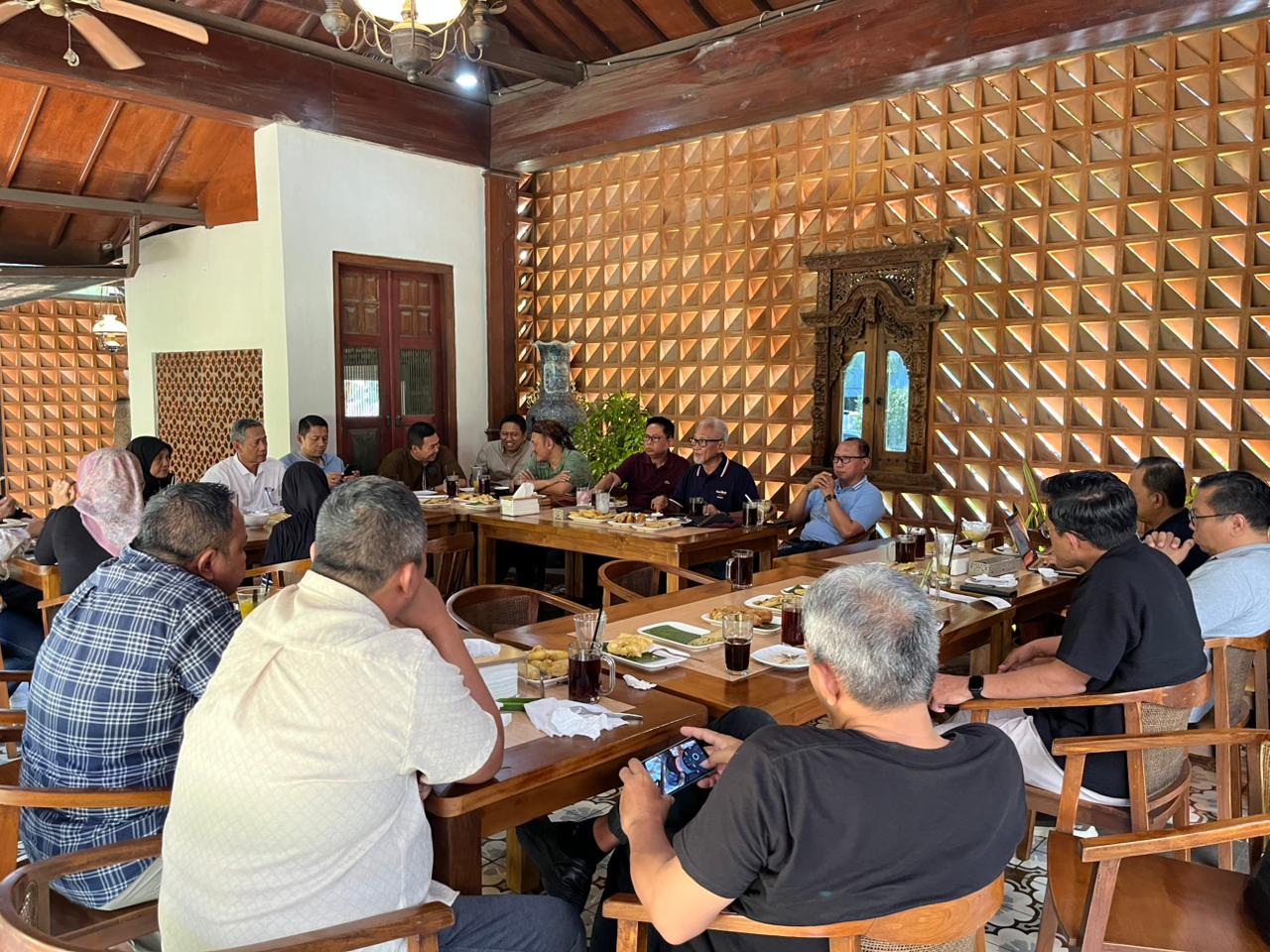
The Minister of Agriculture and Head of the National Food Agency, Andi Amran Sulaiman, had previously emphasized the importance of reforming the poultry marketing system to address price disparities between producers and consumers.
“Consumers and producers must not be exploited. This concerns the livelihoods of many people. We must stand up for our people, both farmers and consumers,” Minister Amran stressed during an inspection of a poultry breeding operation in Gunungkidul, Yogyakarta, on October 15, 2026.
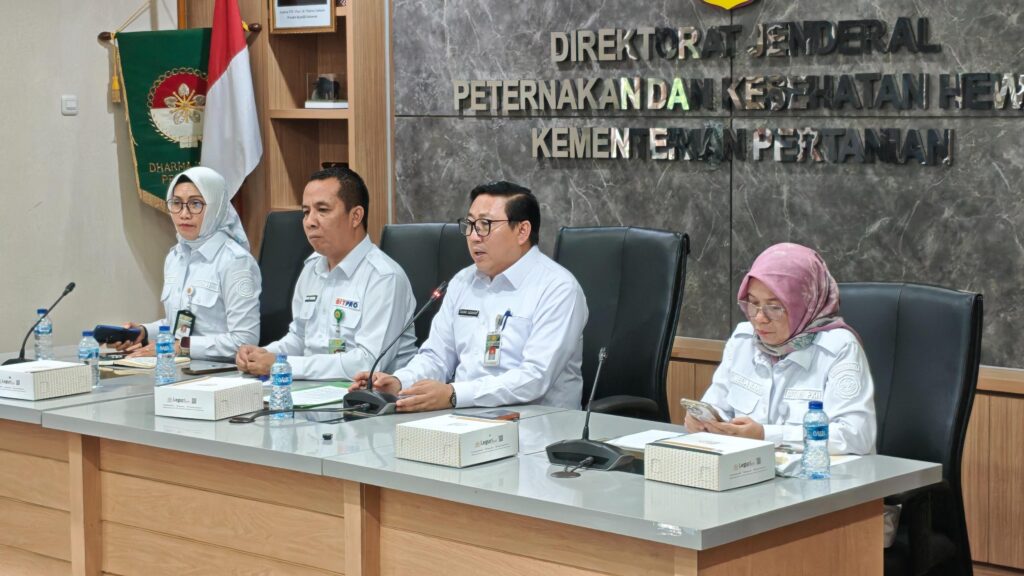
Director General of Livestock and Animal Health, Agung Suganda, explained that the Ministry of Agriculture is implementing several stabilization measures in an integrated manner. According to him, production controls must be accompanied by efforts to strengthen the absorption of farmers’ output.
“We continue to encourage various stabilization measures to be implemented simultaneously. Production controls are already underway, but at the same time, the absorption of farmers’ output must also be strengthened so that farm-gate prices can improve promptly and livestock businesses remain sustainable,” Agung said in Jakarta on Saturday (October 31, 2026).
In the upstream sector, the ministry is adjusting DOC supplies to match market demand. Downstream, the government is encouraging poultry slaughterhouses to increase their absorption of live chickens through coordination with the Indonesian Poultry Slaughterhouse Association (ARPHUIN). These efforts are also accompanied by the expansion of markets for chicken carcasses and processed poultry products.
Oversight of industry players has also been tightened. In 2025, the Ministry of Agriculture imposed sanctions on one integrated poultry company. Subsequently, in July 2026, the government warned that businesses found manipulating prices could face criminal sanctions. The government is also investigating price anomalies between farm-gate and consumer levels, with support from the National Police Chief and the Food Task Force.
Beyond short-term control measures, the government is also promoting structural improvements in the poultry sector. One initiative is the development of the Integrated Poultry Downstreaming Program across six provinces to strengthen the role of smallholder farmers, including their involvement in DOC supply.
In terms of production costs, accelerating corn distribution through the Food Supply and Price Stabilization Program (SPHP), along with efforts to secure soybean meal supplies through state-owned enterprises (SOEs), is expected to reduce feed costs, which remain one of the main components determining farmers’ production costs.
The Ministry of Agriculture emphasized that poultry price stabilization cannot rely solely on production controls. These measures must go hand in hand with stronger demand, increased absorption capacity, improved production efficiency, and reforms in distribution and marketing systems.
Through synergy among the government, poultry companies, associations, and slaughtering and distribution businesses, the ministry hopes to create greater business certainty and ensure fair prices for farmers. At the same time, the availability of affordable animal protein for the public must also be maintained.
**Get more information about Indonesia’s poultry industry by joining our Satwa Media Group WhatsApp Channel.