Bagaimana cara mendapatkan dan berlangganan majalah Poultry Indonesia?
Bagaimana cara membayar pesanan majalah Poultry Indonesia?
Apa itu Advertorial?
Bagaimana cara memasang iklan di website Poultry Indonesia?
Dari mana referensi informasi dalam majalah poultry indonesia?
Dengan siapa saya bisa bertanya seputar kesehatan, penyakit terkait unggas?
Apa itu Poultry Events?
Dengan siapa saya bisa ingin mengajukan kerjasama media partner atau mengadakan suatu kegiatan?
Apa itu Poultry Indonesia?
Poultry Indonesia merupakan majalah yang didirikan pada tahun 1979 di Jakarta, dan menjadi majalah pertama dan tertua di Indonesia yang memiliki ulasan khusus mengenai perunggasan.
Referensi informasi yang tersaji dalam majalah Poultry Indonesia tidak hanya tercakup dalam negeri saja, Poultry Indonesia telah menjalin kerjasama dengan berbagai pihak luar negeri untuk menyajikan informasi terkait perkembangan perunggasan di luar Indonesia.
Poultry Indonesia terdiri dari sekelompok orang yang memiliki dedikasi dan apresiasi tinggi terhadap pekerjaan mereka, dengan senantiasa selalu menyajikan sebuah majalah yang layak dibaca oleh masyarakat perunggasan.
Kapan Majalah Poultry terbit?
Majalah Poultry Indonesia terbit per bulan pada minggu ke-2 dan memiliki dua belas edisi setiap tahun.
Bagaimana cara mendapatkan dan berlangganan majalah Poultry Indonesia?
Majalah Poultry Indonesia tersedia di Toko Buku Gramedia namun dengan kuantiti terbatas. Anda bisa juga langsung membeli dengan menghubungi Poultry Indonesia melalui:
Advertorial adalah artikel yang dimuat di media massa dengan cara membayar yang bertujuan untuk promosi.
Selain itu juga advertorial bisa diartikan sebagai iklan yang disusun atau dibuat sedemikian rupa
sehingga seperti sebuah artikel yang dikarang oleh media cetak yang bersangkutan.
Bagaimana cara memasang iklan di website Poultry Indonesia?
Untuk dapat memasang iklan pada Website Poultry Indonesia dapat menghubungi Divisi Iklan melalui Email:
Darimana referensi informasi dalam majalah poultry indonesia?
Referensi informasi yang tersaji dalam majalah Poultry Indonesia tidak hanya tercakup dalam negeri saja, Poultry Indonesia telah menjalin
kerjasama dengan berbagai pihak luar negeri untuk menyajikan informasi terkait perkembangan perunggasan di luar Indonesia.
Koresponden Luar Negri:
Elis Helinna (New York, Amerika Serikat)
Koresponden Dalam Negeri:
Boy Gunawan Agustino (Tegal),
Muhrishol Yafi (Sidoarjo),
Mahardika Agil Bimasono (Yogyakarta), Sri Maulidini (Purwokerto),
Tri Okto Sareji Adytia (Poso).
Dengan siapa saya bisa bertanya seputar kesehatan, penyakit terkait unggas?
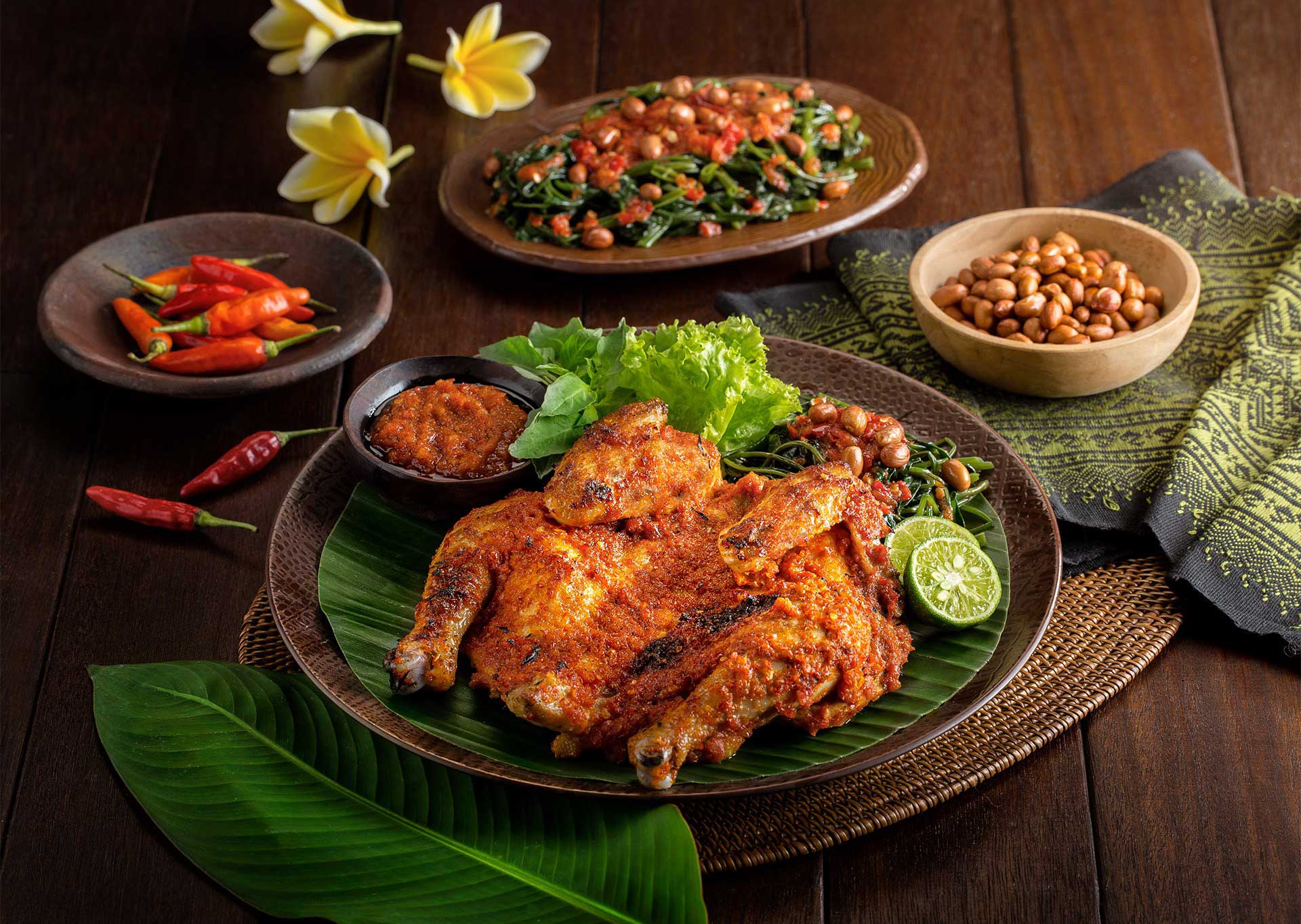
Ayam Taliwang is more than just a signature Lombok dish. It is also a cultural heritage born from the blending of Taliwang and Sasak traditions, believed to have served as a symbol of peace between the kingdoms of Lombok and Bali.
Long ago, during the era of the Majapahit Kingdom, a kingdom known as the Kingdom of Taliwang stood as one of the three most important powers on Sumbawa Island, West Nusa Tenggara. Like other traditional regions across the Indonesian archipelago, the Kingdom of Taliwang left behind a rich cultural heritage that remains a source of pride for Indonesians today, one of which is Ayam Taliwang.
Although the name Taliwang is more closely associated with the former kingdom in West Sumbawa, Ayam Taliwang is more widely known as a local culinary heritage of Lombok Island. For anyone visiting Lombok, this dish is almost certainly on the culinary trail. Historical accounts suggest that its emergence dates back to the time when the Selaparang Kingdom of Lombok was at war with the Karangasem Kingdom of Bali. At that time, troops from the Kingdom of Taliwang were sent to Lombok to provide assistance and were stationed in an area known as Karang Taliwang.
Over time, the Taliwang people interacted and assimilated with the Sasak people of Lombok, sharing their respective regional recipes. The combination brought together Taliwang-style spicy chicken with Sasak sambal. This cultural fusion in Lombok eventually became the origin of Ayam Taliwang. Nevertheless, the origin of the name “Taliwang” in the dish remains a matter of debate—whether it refers to the Kingdom of Taliwang in Sumbawa or Karang Taliwang District in Lombok.
Regardless of its exact origin, Ayam Taliwang is believed to have played an important role as a culinary bridge that helped ease the conflict between the two kingdoms, as the King of Karangasem was reportedly fond of the dish. It is therefore no surprise that this distinctive West Nusa Tenggara flavor can now be enjoyed in several places that are important to its history, including Lombok and Bali. Curious about this culinary treasure from the land of Gora? Try the recipe below, or watch Poultry Indonesia’s coverage at RM Ayam Bakar Taliwang Baru in Bali on the Satwa Media Group YouTube channel! Anggi
Lombok-Style Ayam Bakar Taliwang (5–6 servings)
Marinade:
1.2 kg whole chicken
40 g coconut milk
2 calamansi limes
1½ tsp salt
½ tsp pepper
Taliwang Spice Paste:
5 cloves garlic
8 shallots
5 candlenuts
4 red chilies
15 red bird’s eye chilies
15 g dried chilies, soaked beforehand in hot water
2 pieces of kencur
1 tomato, cut into pieces
2 sachets shrimp paste (terasi), grilled
Oil, as needed
Additional Ingredients:
50 ml coconut milk
250 ml water
1 tsp salt
1 tbsp sugar
1 tsp seasoning
Beberuk Terong Sambal:
5 lalap eggplants, cut into pieces
10 red bird’s eye chilies
5 shallots
3 calamansi limes
1 piece shrimp paste (terasi), grilled
2 red tomatoes, cut into pieces
¾ tsp salt
1–1½ tsp sugar
Method
Split the whole chicken down the middle and press it down to flatten it. Rub both sides with salt, pepper, calamansi juice, and coconut milk. Marinate for 1 hour at room temperature or overnight in the refrigerator.
Grind the garlic, shallots, candlenuts, red chilies, bird’s eye chilies, dried chilies, kencur, tomato, and shrimp paste into a paste. Sauté the spice paste in a little oil until cooked and fragrant.
Add the water, coconut milk, salt, sugar, and seasoning to the sautéed spice paste. Cook until well combined, then set aside some of the mixture to serve as an accompanying sauce.
To make the beberuk terong, grind the bird’s eye chilies, shrimp paste, salt, and sugar. Add the tomatoes, shallots, and eggplant, then grind lightly until combined. Add calamansi juice and mix well.
Grill the chicken on a hot pan until partially cooked. Dip or coat the chicken with the Taliwang spice mixture, then grill again until fully cooked. Repeat the coating process twice to allow the flavors to penetrate the chicken more deeply.
Serve the Ayam Bakar Taliwang with the remaining spice sauce and beberuk terong sambal.