



POULTRYINDONESIA, Jakarta – Global economic uncertainty and domestic market dynamics continue to pose challenges to Indonesia’s livestock industry. Fluctuations in feed raw material prices, the rupiah exchange rate, commodity prices, and regulatory developments require industry players to exercise greater caution in determining their business strategies. Amid these various pressures, the ability to adapt, improve efficiency, and build collaboration will be essential to sustaining industry growth in 2027.
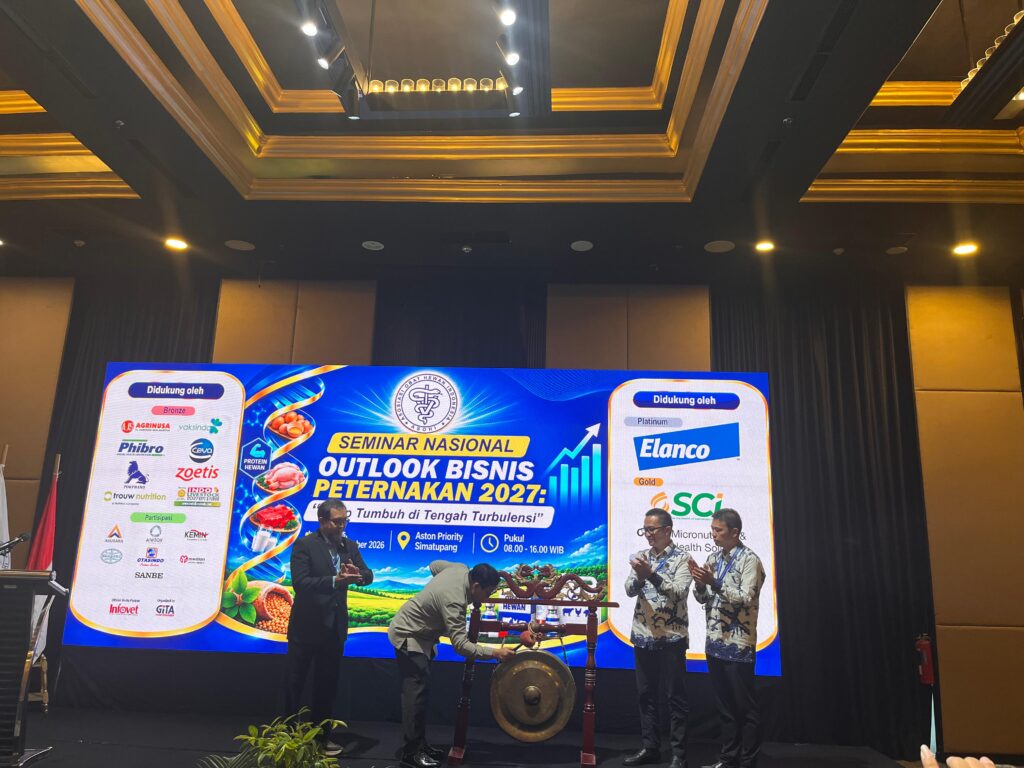
These issues were among the key topics discussed at the National Seminar on the 2027 Livestock Business Outlook, organized by the Indonesian Veterinary Drug Association (ASOHI) on Thursday (November 19) at Aston Priority Simatupang, Jakarta. Under the theme “Sustaining Growth Amid Turbulence,” the annual forum brought together government representatives, economists, and leaders of national livestock associations to discuss industry developments and future business prospects.
ASOHI Chairman, drh. A. Harris Priyadi, emphasized that the livestock industry plays a strategic role in strengthening food security while meeting public demand for animal protein. Therefore, industry players need a comprehensive understanding of government policies and market developments to formulate appropriate business strategies.
According to Harris, the challenges facing the industry today differ from those encountered in previous years. However, these conditions do not mean that opportunities have disappeared. He believes there is still considerable room to strengthen the industry through cooperation among the government, associations, and business players across various subsectors.
“As we enter 2027, livestock industry players cannot afford merely to survive amid global and domestic uncertainties. Through this forum, ASOHI aims to bring together the government, economists, and associations from across subsectors so that we can interpret changes as opportunities, strengthen operational efficiency, and create resilient and sustainable business growth,” Harris stated.
He noted that efforts to maintain industry sustainability cannot be pursued in isolation. Problems arising in one segment of the business chain can affect other subsectors. Therefore, communication and collaboration among industry stakeholders must be strengthened, particularly in addressing raw material availability, technological development, investment, and market changes.
Harris also pointed out that livestock industry dynamics are not determined solely by domestic government policies. Global and regional developments, including policies adopted by trading partner countries and technological advancements, also influence the national business climate. By understanding these changes, industry players are expected to anticipate risks while capitalizing on emerging opportunities.
On the same occasion, Director General of Livestock and Animal Health at the Ministry of Agriculture, Agung Suganda, stated that the government has placed food security and self-sufficiency among its key priorities under the 2025–2029 livestock development policy. In line with the food self-sufficiency agenda, the Free Nutritious Meals (MBG) program, and downstream industrial development, the government aims to maintain self-sufficiency in poultry meat and eggs while pursuing self-sufficiency in beef and milk.
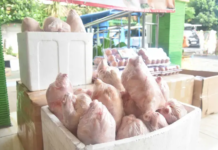
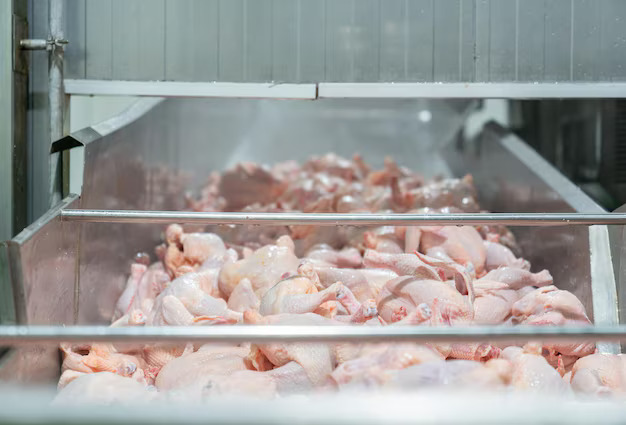
According to data presented during his presentation, national chicken meat production reached 4.28 million tons in 2025, while demand stood at approximately 4.12 million tons. With production equivalent to 103.95% of domestic demand, the country recorded a surplus of around 162,000 tons. A similar situation occurred in the egg sector. National egg production reached 6.53 million tons, exceeding demand of 6.48 million tons and generating a surplus of approximately 57,900 tons.
“These achievements demonstrate that chicken meat and eggs have reached self-sufficiency. Nevertheless, maintaining this surplus requires proper production and market management to ensure a balance between supply and demand,” he added.
To optimize the surplus of chicken meat and eggs, the government’s strategy focuses on increasing the availability of local feed ingredients, particularly corn; ensuring the absorption of domestic production through government programs; improving import trade mechanisms; and developing integrated poultry downstream industries. Technological development and innovation are also being encouraged to support more efficient and effective business operations.
“Beyond the livestock production sector, Indonesia’s veterinary medicine industry also offers promising opportunities for export market development. In 2025, veterinary medicine exports reached US$438.1 million, representing a 91.5% increase compared with the previous year. Exported products included biological preparations, pharmaceuticals, premixes, and natural medicines, shipped to various countries across Asia, Africa, Europe, the Americas, and Australia,” he explained.
He further noted that the veterinary medicine industry continues to face several challenges, including dependence on imported raw materials and products, animal disease threats that require adequate vaccine availability, and antimicrobial resistance. Oversight of illegal and unregistered veterinary medicines must also be strengthened. Meanwhile, the development of antibiotic alternatives, such as probiotics, prebiotics, herbal or phytogenic products, and organic acids, presents opportunities for further development.
“In this context, ASOHI plays an important role in supporting the availability and distribution of veterinary medicines and vaccines, strengthening animal health and biosecurity, promoting technological innovation, and building partnerships between the government and the business sector. Enhancing human resource capacity and ensuring regulatory compliance are also essential to developing a competitive veterinary medicine industry,” he stressed.
For more information on Indonesia’s poultry industry, join the Satwa Media Group WhatsApp Channel.