Bagaimana cara mendapatkan dan berlangganan majalah Poultry Indonesia?
Bagaimana cara membayar pesanan majalah Poultry Indonesia?
Apa itu Advertorial?
Bagaimana cara memasang iklan di website Poultry Indonesia?
Dari mana referensi informasi dalam majalah poultry indonesia?
Dengan siapa saya bisa bertanya seputar kesehatan, penyakit terkait unggas?
Apa itu Poultry Events?
Dengan siapa saya bisa ingin mengajukan kerjasama media partner atau mengadakan suatu kegiatan?
Apa itu Poultry Indonesia?
Poultry Indonesia merupakan majalah yang didirikan pada tahun 1979 di Jakarta, dan menjadi majalah pertama dan tertua di Indonesia yang memiliki ulasan khusus mengenai perunggasan.
Referensi informasi yang tersaji dalam majalah Poultry Indonesia tidak hanya tercakup dalam negeri saja, Poultry Indonesia telah menjalin kerjasama dengan berbagai pihak luar negeri untuk menyajikan informasi terkait perkembangan perunggasan di luar Indonesia.
Poultry Indonesia terdiri dari sekelompok orang yang memiliki dedikasi dan apresiasi tinggi terhadap pekerjaan mereka, dengan senantiasa selalu menyajikan sebuah majalah yang layak dibaca oleh masyarakat perunggasan.
Kapan Majalah Poultry terbit?
Majalah Poultry Indonesia terbit per bulan pada minggu ke-2 dan memiliki dua belas edisi setiap tahun.
Bagaimana cara mendapatkan dan berlangganan majalah Poultry Indonesia?
Majalah Poultry Indonesia tersedia di Toko Buku Gramedia namun dengan kuantiti terbatas. Anda bisa juga langsung membeli dengan menghubungi Poultry Indonesia melalui:
Advertorial adalah artikel yang dimuat di media massa dengan cara membayar yang bertujuan untuk promosi.
Selain itu juga advertorial bisa diartikan sebagai iklan yang disusun atau dibuat sedemikian rupa
sehingga seperti sebuah artikel yang dikarang oleh media cetak yang bersangkutan.
Bagaimana cara memasang iklan di website Poultry Indonesia?
Untuk dapat memasang iklan pada Website Poultry Indonesia dapat menghubungi Divisi Iklan melalui Email:
Darimana referensi informasi dalam majalah poultry indonesia?
Referensi informasi yang tersaji dalam majalah Poultry Indonesia tidak hanya tercakup dalam negeri saja, Poultry Indonesia telah menjalin
kerjasama dengan berbagai pihak luar negeri untuk menyajikan informasi terkait perkembangan perunggasan di luar Indonesia.
Koresponden Luar Negri:
Elis Helinna (New York, Amerika Serikat)
Koresponden Dalam Negeri:
Boy Gunawan Agustino (Tegal),
Muhrishol Yafi (Sidoarjo),
Mahardika Agil Bimasono (Yogyakarta), Sri Maulidini (Purwokerto),
Tri Okto Sareji Adytia (Poso).
Dengan siapa saya bisa bertanya seputar kesehatan, penyakit terkait unggas?
Among various potential phytobiotics that can be utilized as natural feed additives for broiler chickens, garlic (Allium sativum) and ginger (Zingiber officinale) are among the most widely studied and developed in research.
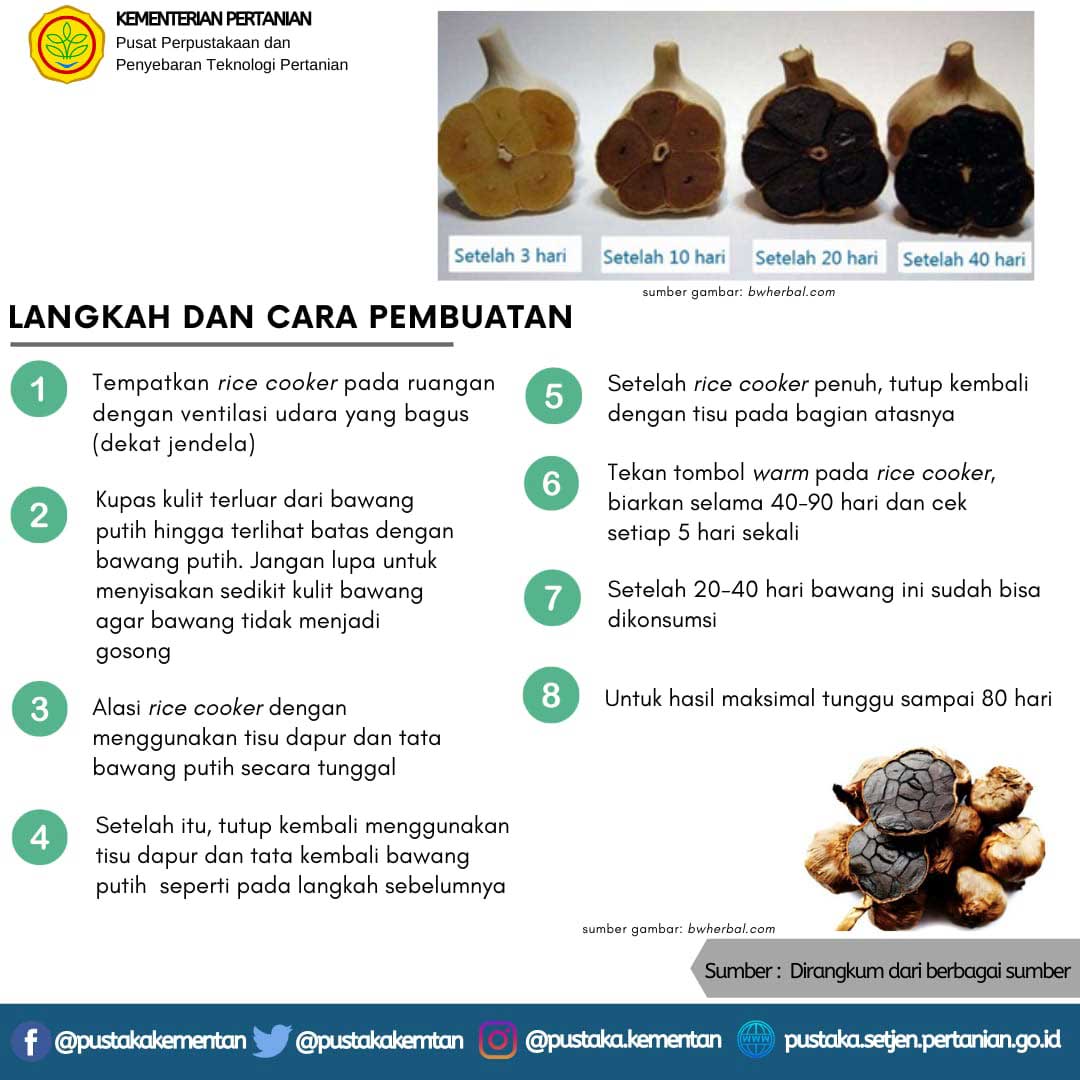
Garlic is known to contain allicin, an organosulfur compound with antibacterial, antifungal, and antioxidant properties. The allicin component can be converted into a more stable bioactive compound, S-allylcysteine, with higher antioxidant consistency when processed under specific temperature and humidity conditions, resulting in what is known as black garlic. Meanwhile, ginger contains various active compounds that provide antimicrobial and anti-inflammatory effects, as well as stimulate digestive processes.
Bioactive compounds derived from plants are recognized for their ability to support animal performance while maintaining health without causing negative side effects. The combination of these two natural ingredients has been reported to modulate gut microbiota, improve intestinal morphology, and enhance nutrient absorption. A healthy digestive tract ultimately contributes to better growth performance and feed efficiency in broiler chickens.
Based on this potential, this study evaluated the effects of supplementing black garlic and ginger powder in feed on growth performance, gut health, and the economic value of broiler production.
The study involved 400 day-old chicks (DOC) of the Hubbard strain, reared in an open-house system under controlled environmental conditions. Temperature and humidity were maintained within an optimal range throughout the rearing period, with a lighting program of 23 hours light and 1 hour dark. Litter consisted of wood shavings with a thickness of approximately 5–7 cm, while feed and drinking water were provided ad libitum. Feeding was divided into starter (0–21 days) and finisher (22–35 days) phases, and vaccination was conducted according to standard procedures.
After a seven-day adaptation period, the chicks were randomly assigned to five treatments, each with five replicates. Each replicate consisted of 10 birds. The treatments involved combinations of black garlic and ginger powder supplementation in the feed as follows:
Growth performance was evaluated through measurements of body weight gain (BWG), feed intake (FI), and feed conversion ratio (FCR), recorded weekly throughout the rearing period. In addition, histological analysis was conducted at 35 days of age by collecting samples from the small intestine to observe digestive tract morphology, including villus height and crypt depth, which are associated with nutrient absorption capacity.
The study also assessed the economic aspect of feed supplementation by calculating income, profit, and cost-benefit ratios for each treatment. All data obtained were analyzed statistically to determine differences among treatments.
Improved Broiler Performance
The use of herbal ingredients as feed supplements is gaining increasing attention in poultry nutrition due to their potential to enhance growth performance, feed efficiency, and animal health. In this study, supplementation with black garlic and ginger showed positive effects on broiler performance, as indicated by increased body weight, feed intake, and improved FCR values in the treatment groups.
After 35 days of rearing, supplementation of black garlic and ginger in broiler feed demonstrated beneficial effects on growth performance in both starter and finisher phases.
Table 1. Efficacy of garlic and ginger supplementation in feed on body weight gain, feed intake, and feed conversion ratio (FCR) during the starter and finisher phases of broiler chickens.
This article is an excerpt from the Research section of Poultry Indonesia Magazine, April 2026 edition. For the full article, please refer to the April 2026 issue. For subscriptions or further information, contact: https://wa.me/+6287780120754 or sirkulasipoultry@gmail.com
Get more insights on Indonesia’s poultry industry by joining the Satwa Media Group WhatsApp Channel.







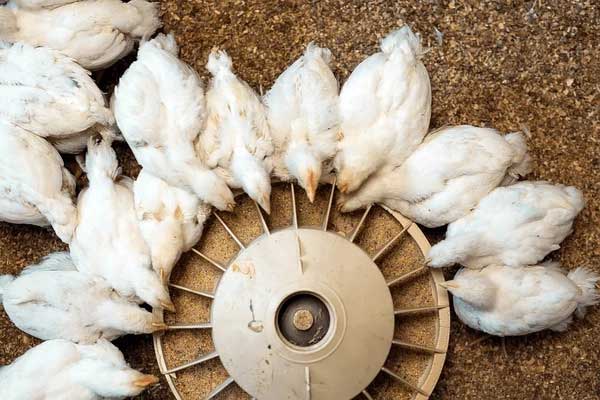
 The study involved 400 day-old chicks (DOC) of the Hubbard strain, reared in an open-house system under controlled environmental conditions. Temperature and humidity were maintained within an optimal range throughout the rearing period, with a lighting program of 23 hours light and 1 hour dark. Litter consisted of wood shavings with a thickness of approximately 5–7 cm, while feed and drinking water were provided ad libitum. Feeding was divided into starter (0–21 days) and finisher (22–35 days) phases, and vaccination was conducted according to standard procedures.