
POULTRYINDONESIA, Jakarta – Achieving food self-sufficiency requires more than simply increasing production. Strengthening the agricultural sector requires collaboration among various stakeholders. This is the spirit that the Indonesian Farmers’ Harmony Association (Himpunan Kerukunan Tani Indonesia/HKTI) seeks to foster through InnoFood Expo & Forum 2026.
InnoFood Expo & Forum 2026 is scheduled to take place on November 11–14, 2026, at NICE PIK 2, Hall 03A. The event is also planned to coincide with the inauguration of HKTI’s national board members and the commemoration of World Food Day.
HKTI’s inaugural exhibition will feature seven clusters, covering agricultural technology, horticulture, plantations, livestock, food crops, fisheries, and food security. The products on display will include food crops, plantation products, fisheries, horticulture, agricultural machinery and equipment, livestock, and livestock-related MSME products.
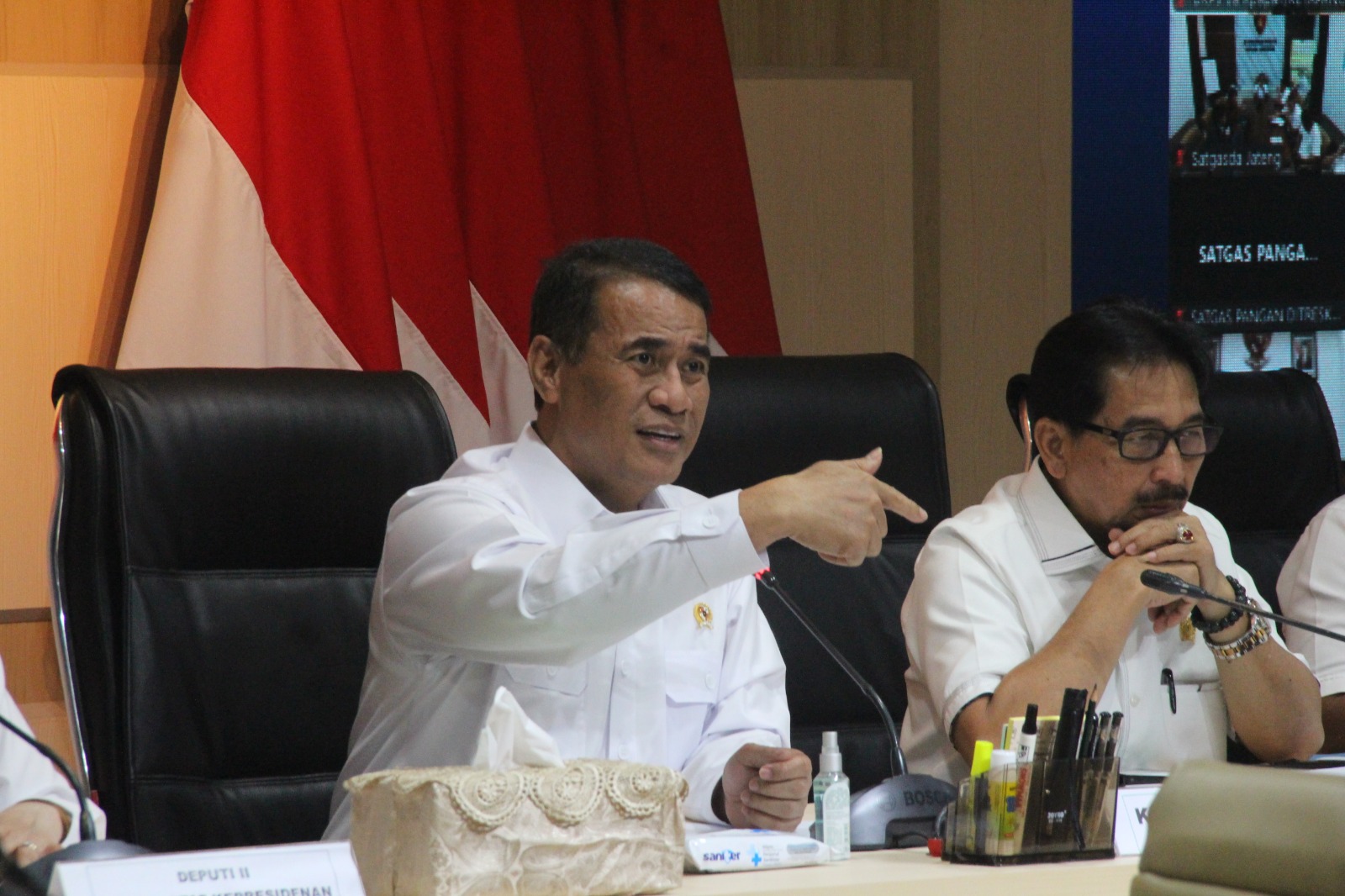
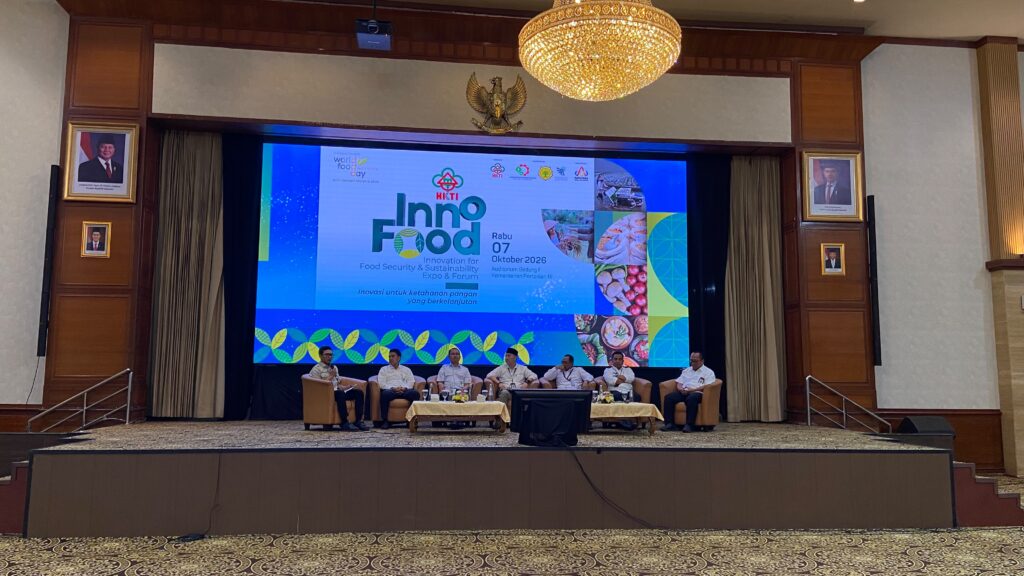
In his remarks at the Gathering held on Wednesday (October 7) at Building F of the Ministry of Agriculture in South Jakarta, Chairman of the InnoFood Expo & Forum Organizing Committee, Andi Muhammad Syakir, said the agricultural sector remains one of the sectors facing major challenges. According to him, strengthening the agricultural sector must be carried out collectively by involving various elements of society.
“Agricultural development cannot rely solely on the government. The involvement of state-owned enterprises (SOEs), the private sector, businesses, associations, communities, as well as educational institutions is needed to build an increasingly robust food ecosystem,” he said.
According to Syakir, InnoFood Expo & Forum is one of the platforms prepared by HKTI to bring together various stakeholders in the food sector. The event is not only intended as a business platform but also as a forum for exchanging ideas through various seminars and discussion forums.
“To date, around 90 companies have confirmed their participation, representing a wide range of business sectors. We are targeting more than 124 booths and 150,000 visitors. The targeted participants also come from various groups, ranging from ministries and government agencies, regional governments, SOEs and regionally owned enterprises, NGOs, associations and communities, universities and educational institutions, MSMEs, to potential buyers.”
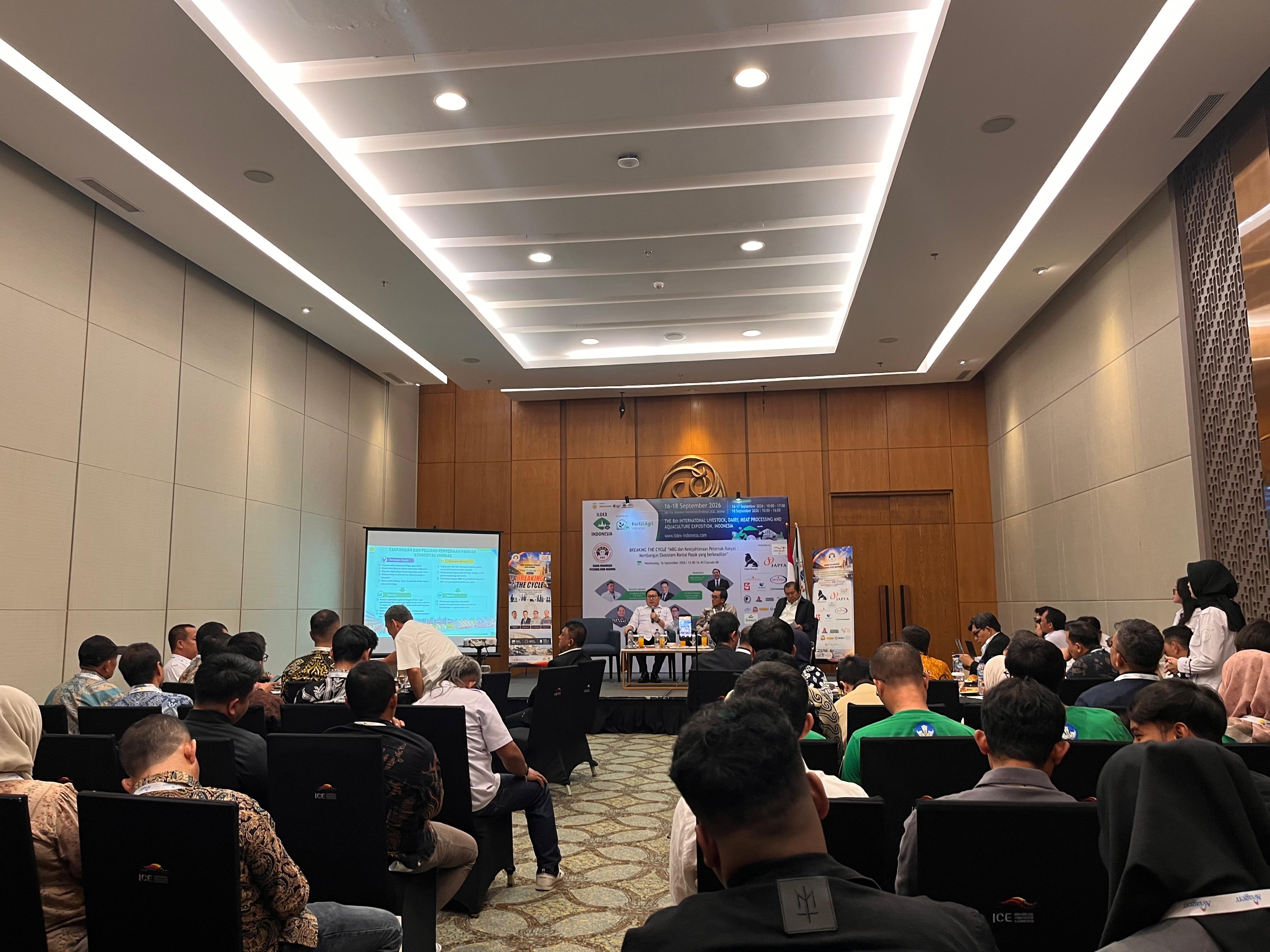
In line with efforts to strengthen the food ecosystem, Makmun, Director of Livestock Product Downstreaming at the Directorate General of Livestock and Animal Health (Ditjen PKH), Ministry of Agriculture, said that improving farmers’ and livestock producers’ welfare must be a key component of livestock subsector development.
“We cannot achieve self-sufficiency if our farmers and livestock producers are not prosperous. This is a challenge for all of us,” he said.
Makmun explained that several national livestock commodities are currently able to meet domestic demand and even generate surpluses. Chicken meat and egg production is sufficient to meet national demand, meaning Indonesia no longer depends on imports for these commodities. A similar condition can also be seen in goat meat.
However, several commodities still require attention and present opportunities for business development. One of them is beef. According to Makmun’s presentation, national beef demand still has a deficit of around 46.59%, with a shortfall of approximately 375,000 tons, equivalent to roughly 1.3 million head of cattle.
“If we are doing business, we should not focus on markets that are already saturated. If beef is in short supply, this becomes an opportunity for all of us to develop the sector,” he explained.
In addition to beef, Indonesia’s domestic milk demand also remains heavily dependent on supplies from abroad. Makmun said milk imports still account for around 80–82% of domestic needs, or approximately 3.7 million tons. This situation should be viewed as an opportunity to develop the dairy cattle industry, from farming and feed supply to milk processing and downstream products.
“This opportunity is becoming increasingly open with the planned dairy self-sufficiency program, which is expected to begin in 2027. The government will encourage the availability of dairy cattle while also establishing links with the Free Nutritious Meals (MBG) program, allowing milk production to be located closer to areas where it is needed,” he stressed.
This spirit aligns with the objectives of InnoFood Expo & Forum as a meeting platform for various stakeholders across the food ecosystem. By bringing together the government, industry players, farmers and livestock producers, academics, associations, communities, and prospective buyers, HKTI hopes the event will generate more collaboration to strengthen Indonesia’s national food industry.
Get more information about Indonesia’s poultry industry by joining the Satwa Media Group WhatsApp Channel.