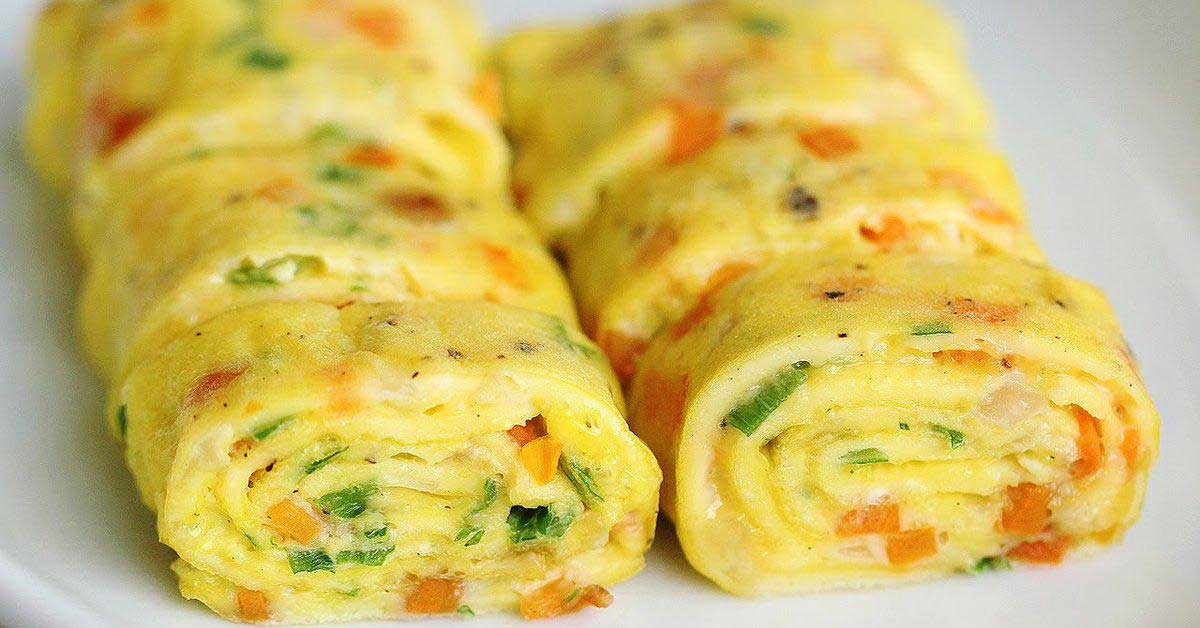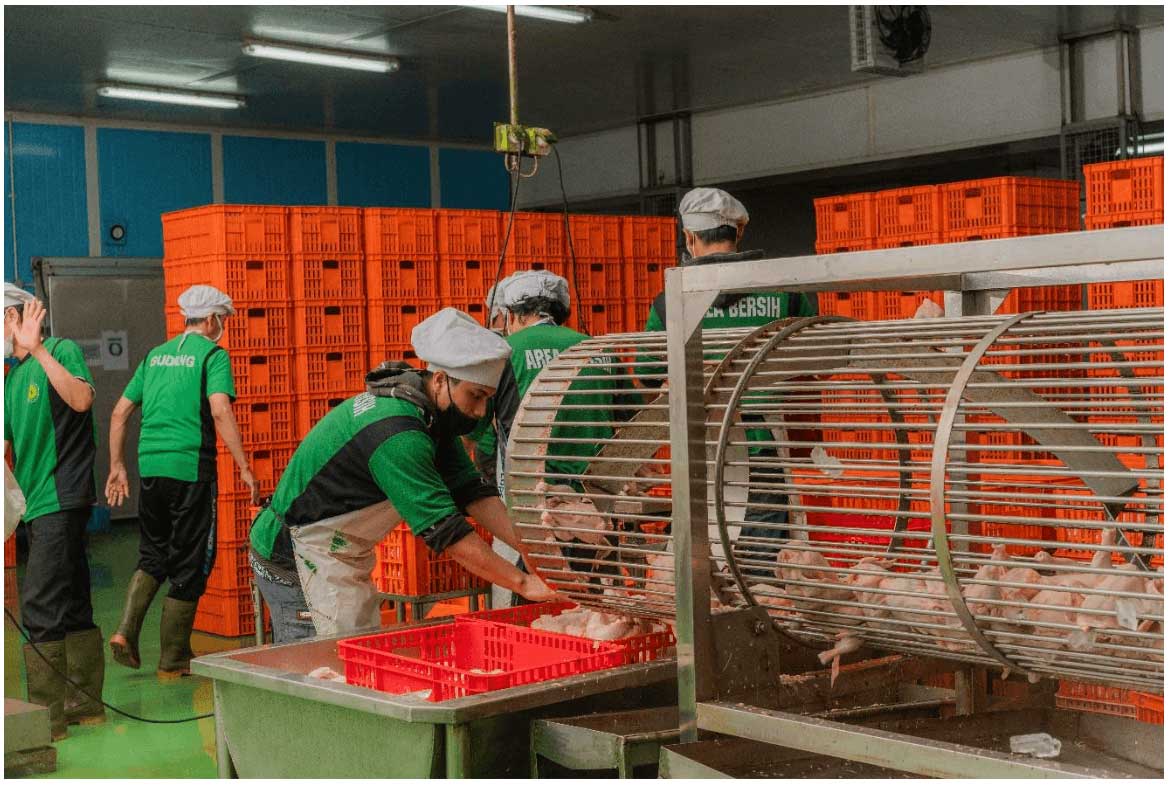





In hot weather, egg quality and safety can be seriously compromised if eggs are not handled properly. Consumers therefore need to be smart at every stage, from selecting and storing eggs to preparing them.
Hot Weather and Its Impact on Egg Quality
Recently, temperatures in many parts of the world have felt hotter than usual. Summer in four-season countries has become increasingly intense, while temperatures in two-season countries such as Indonesia are equally scorching. For the general public, these conditions call for greater vigilance. Carelessness or underestimating the risks of excessive heat can lead to dehydration, exhaustion (with symptoms such as weakness, dizziness, and fainting), and a dangerous rise in body temperature known as heatstroke.
Rising temperatures affect not only humans but also chickens, which may suffer even more severely. Because chickens lack sweat glands and have bodies covered in feathers, they struggle to dissipate heat. To cool themselves, they open their beaks wide and breathe rapidly (panting), while spreading their wings and reducing their activity. This condition is known as heat stress in chickens.
When chickens experience heat stress, the effects extend to egg production. Their feed intake decreases, water consumption increases, and rapid breathing disrupts calcium balance in the blood. As a result, the eggs they produce may be smaller, with thin, cracked, or soft shells.
For consumers, this is certainly a cause for concern. Eggs with thin or cracked shells are more vulnerable to pathogen contamination, and their quality deteriorates more quickly. Yet eggs remain an affordable and readily available source of animal protein, rich in nutrients such as vitamin A, B-complex vitamins, vitamin D, iron, and phosphorus.
At high temperatures, bacteria can also multiply more rapidly in both raw and prepared food products, depending on how they are stored and handled. One particularly concerning pathogen is Salmonella, a bacterium commonly associated with eggs that can infect the human digestive tract. Therefore, consumers need to be smart at every stage, from selecting and storing eggs to preparing them.

Choosing Eggs Wisely
The first step is understanding egg quality standards. According to Indonesian National Standard (SNI) 3926:2023 on Eggs for Human Consumption, egg quality is assessed based on four aspects: freshness, cleanliness, size, and physical condition. Choose eggs with intact, clean shells and a characteristic fresh-egg smell. Once cracked open, a fresh egg has a rounded yolk positioned near the center, along with thick egg white that does not spread easily.
It is important to note that the longer an egg is stored, the more water and gases evaporate through the pores of its shell. This causes the egg’s contents to shrink and the egg white, which was initially thick, to become thinner and more watery. As a result, the yolk loses its support and shifts away from the center. Freshness can therefore be indicated by a rounded, centrally positioned yolk and thick egg white. In hot weather, this deterioration can occur even more quickly.
In addition to the contents, shell condition can also serve as a useful indicator when buying eggs. Choose eggs with a uniform color appropriate to the type of chicken—for example, brown eggs from commercial laying hens and whitish-brown eggs from local chickens. The eggs should have a normal shape and a smooth, slightly glossy surface rather than a dull appearance.
Avoid eggs contaminated with chicken droppings or bloodstains, as well as those with rough shells or chalk-like white spots. Especially when the surrounding climate is hot, never purchase cracked eggs, as the openings can provide an entry point for bacteria that may be multiplying rapidly.
Egg freshness can also be tested at home using the float test. Place an egg in a glass of water. A fresh egg will sink and lie flat, while an older egg tends to stand upright. An egg that floats should not be consumed. This happens because the air cell inside the egg grows larger as the egg ages. However, remember that this test only indicates freshness; it does not guarantee that an egg is free from bacteria.
Storing Eggs Wisely
Even after purchasing eggs in good condition, their quality can deteriorate rapidly if they are stored improperly. According to the United States Department of Agriculture (USDA), bacteria multiply most rapidly at warm temperatures, approximately 4–60°C (40–140°F), a range known as the danger zone. Room temperatures in Indonesia fall within this range, making proper storage particularly important.
This article is an excerpt from the Post-Harvest section of the October 2026 edition of Poultry Indonesia magazine. Read the full article in the October 2026 Edition of Poultry Indonesia Magazine. For subscriptions or further information, contact us via WhatsApp or email sirkulasipoultry@gmail.com.
Stay informed about Indonesia’s poultry industry by joining the Satwa Media Group WhatsApp Channel.