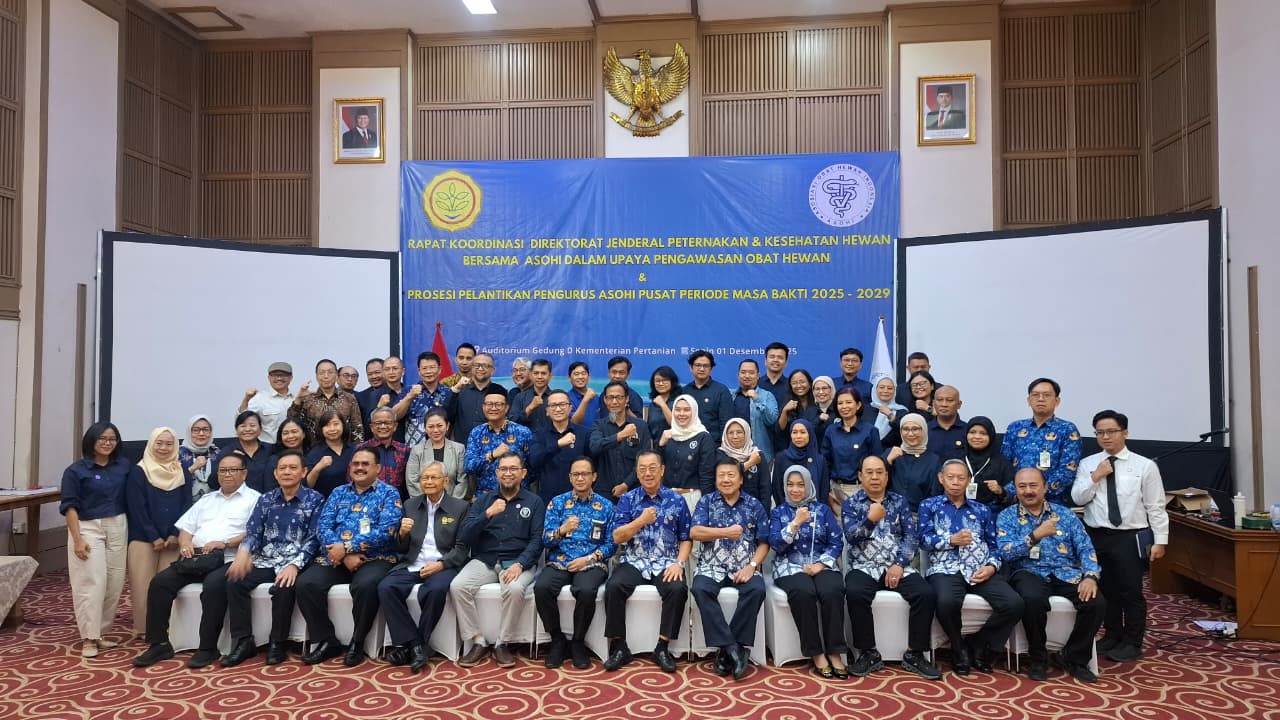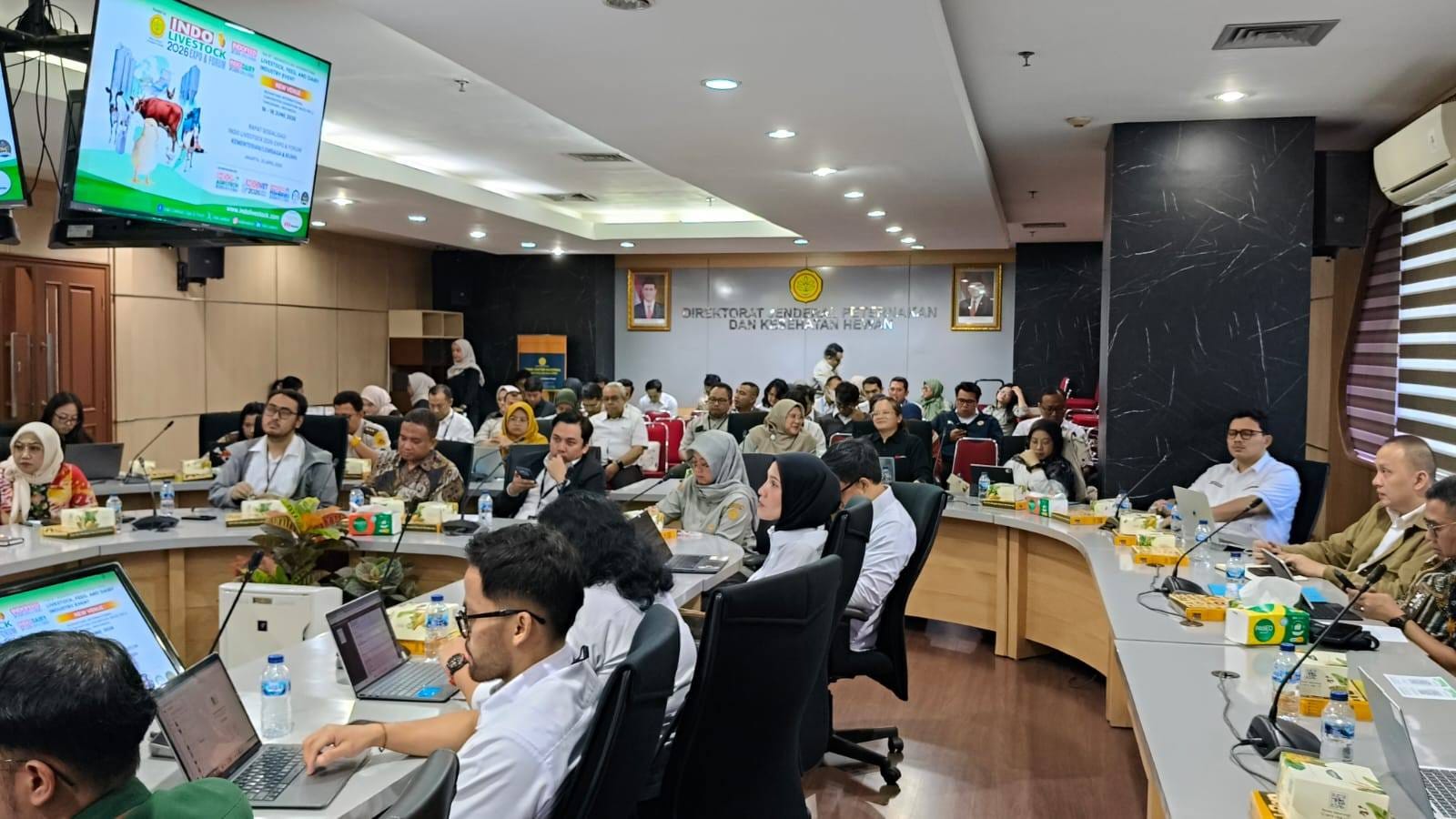




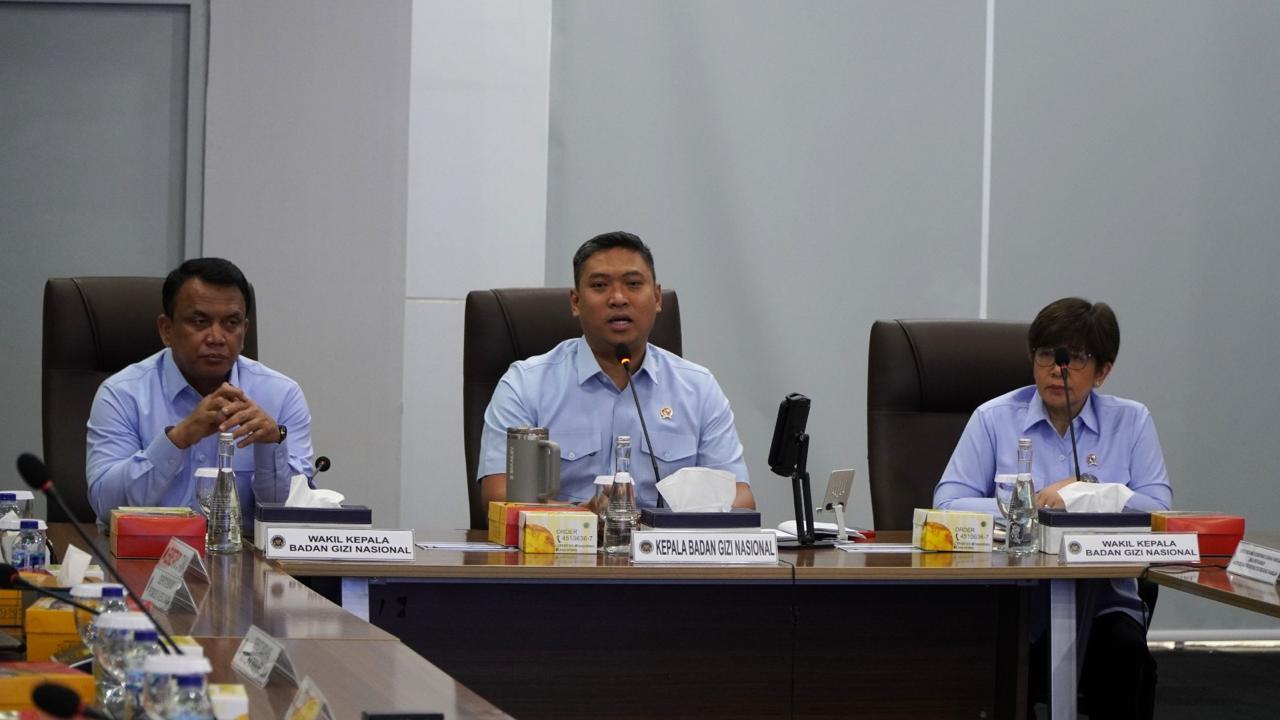
POULTRYINDONESIA, Jakarta — The Lembaga Pemberdayaan Ekonomi Rakyat (LPER) Producer Cooperative attended a meeting on Optimizing the Use of Chicken and Eggs as Menu Items in the Free Nutritious Meals (MBG) Program, organized by the National Nutrition Agency (BGN) on Wednesday (9/9) at the BGN Headquarters in Jakarta.
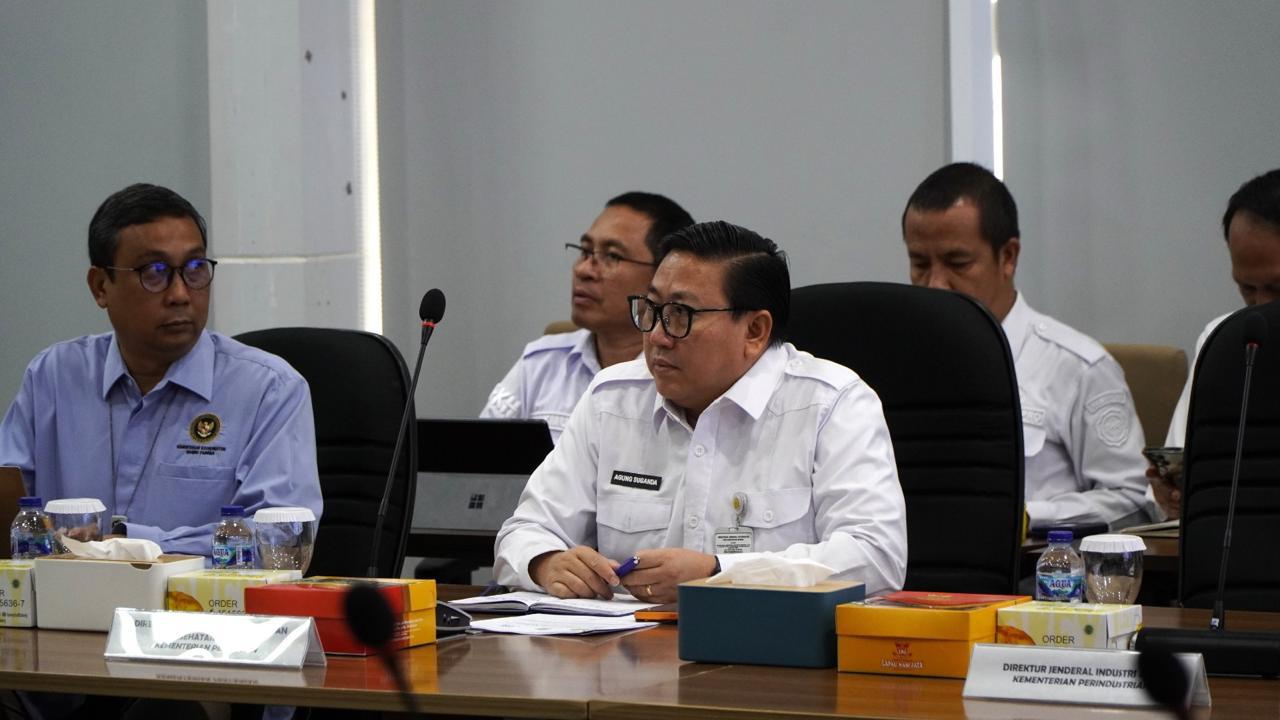
The meeting, chaired directly by the Head of the National Nutrition Agency, was held as a follow-up to BGN’s directive to optimize the use of chicken and eggs as sources of nutritious food in the provision of MBG meals. The meeting was also attended by several relevant ministries and agencies, including the Ministry of Agriculture, Ministry of Health, Coordinating Ministry for Food Affairs, Ministry of Industry, Ministry of Cooperatives, Ministry of Micro, Small and Medium Enterprises (MSMEs), Food and Drug Supervisory Agency (BPOM), and the Indonesian Quarantine Agency.
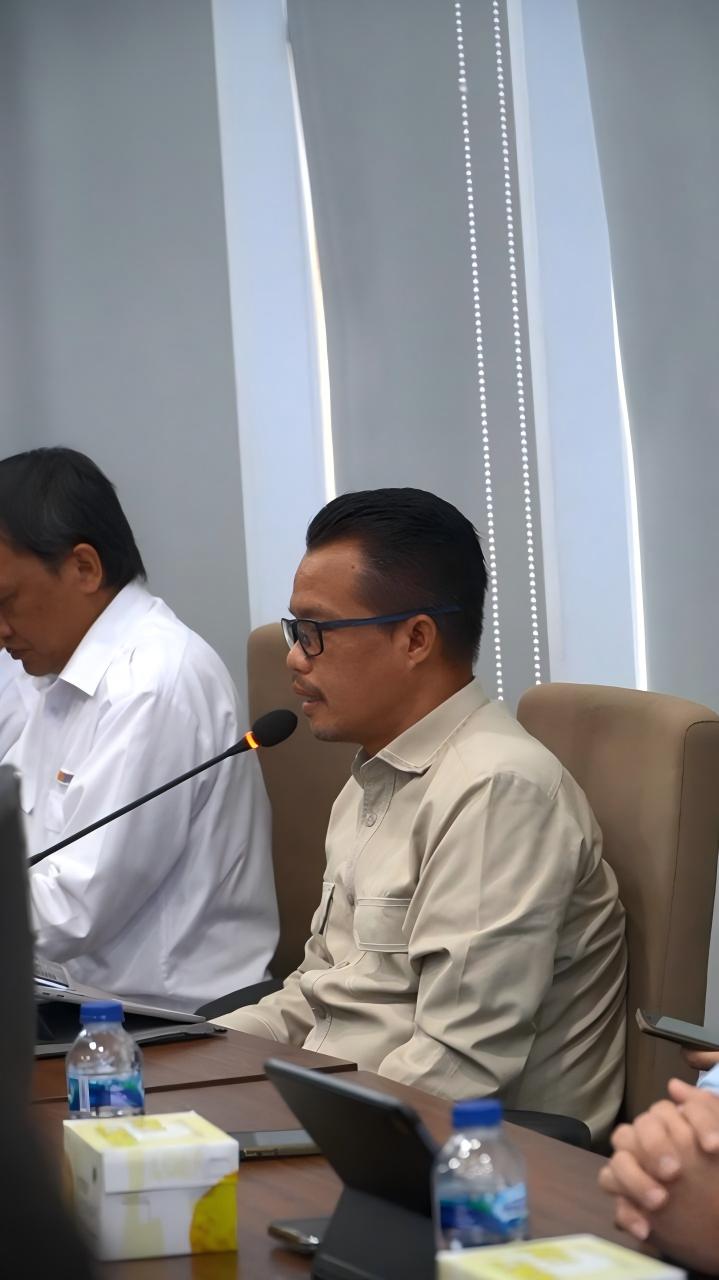
Chairman of the LPER Cooperative, H. Mulyadi Atma, welcomed the initiative of the BGN Head to bring practitioners, business players, associations, cooperatives, as well as ministries and government agencies together to discuss various issues and seek solutions for the implementation of the MBG Program.
According to him, involving stakeholders with an understanding of conditions on the ground is important to ensure that policies being formulated are not only sound in concept but can also address the challenges faced by farmers, business operators, and the kitchens of the Nutrition Fulfillment Service Units (SPPG).
“We appreciate the initiative of the BGN Head to invite practitioners and stakeholders to work together in finding solutions. By sitting together, we can look at issues from different perspectives and identify the most appropriate schemes to support the program while also benefiting smallholder farmers,” Mulyadi said.
During the meeting, Mulyadi emphasized the importance of developing a shorter, more efficient, transparent chicken and egg supply chain that can generate greater benefits for smallholder farmers.
He noted that the current distribution chain still involves several links, starting from farmers or producers, middlemen, and distributors, before reaching MBG kitchens. This condition has the potential to lengthen the supply chain and reduce distribution efficiency.
 Therefore, the LPER Cooperative proposed optimizing the role of cooperatives as a direct link between farmers and MBG kitchens or SPPG operating foundations. Under this model, the distribution flow could be shortened to member farmers, the cooperative, and then the MBG/SPPG kitchen or foundation.
Under this scheme, cooperatives would not only serve as institutions that collect members’ production but could also play a role in maintaining supply continuity, ensuring product quality and safety, and coordinating distribution according to the needs of MBG kitchens.
Mulyadi believes that shortening the distribution chain would benefit both sides. Farmers would gain more direct market access and greater certainty of distribution, while MBG kitchens could obtain chicken and eggs through a simpler, measurable, and sustainable distribution channel.
“If cooperatives can serve as a direct link, farmers will not have to go through too many layers in the supply chain. At the same time, SPPG kitchens would receive more coordinated supplies. This is what we believe needs to be developed,” he explained.
In addition to discussing the supply chain, the meeting also addressed the development of a marketplace as one of the procurement schemes for raw materials at each SPPG kitchen. The marketplace could eventually cover various food requirements, ranging from chicken meat, eggs, beef or buffalo meat, rice, cooking oil, and milk to fish and other food ingredients.
The forum generally agreed that the marketplace should operate transparently and accountably while adhering to anti-monopoly principles. Local businesses, MSMEs, cooperatives, and farmers in each region are expected to have opportunities to participate in meeting SPPG raw material requirements.
Technical coordination between the marketplace and farmer associations will also be developed further, while continuing to prioritize food safety and price stabilization.
Food safety was one of the key concerns discussed during the meeting. Animal protein raw materials supplied to SPPG kitchens throughout Indonesia were agreed to be required to meet applicable requirements and carry NKV, or Veterinary Control Number, certification. Meanwhile, fresh fish must be accompanied by an SKP, or Processing Eligibility Certificate.
All associations attending the meeting also expressed their support for the implementation of the MBG Program in accordance with food safety principles. Cross-sector collaboration among ministries, government agencies, associations, cooperatives, and business operators was considered essential to building a safe, high-quality, and sustainable food supply ecosystem.
Under the scheme, BPOM will play a role in promoting and educating stakeholders on food safety within the MBG Program, as well as strengthening human resources responsible for food safety at SPPG units. The Ministry of MSMEs is encouraged to strengthen MSMEs supplying raw materials while promoting supply chain digitalization through a marketplace developed in collaboration with farmer associations.
Meanwhile, the Ministry of Cooperatives is expected to strengthen partnerships and business networks among farmer cooperatives in various regions. The Ministry of Agriculture also supports the preparation of farmer cooperatives and Poultry Slaughterhouses (RPHU) that already hold NKV certification so they can participate in supplying eggs and chicken meat through the marketplace to meet the needs of SPPG kitchens.
At the end of the meeting, participants also agreed on the importance of public promotion and education through various channels, including mass media, print media, electronic media, and social media. These efforts are expected to increase public awareness of food safety while supporting the optimization of chicken and egg utilization in the MBG Program.
For the LPER Cooperative, the MBG Program is not merely a program to fulfill the public’s nutritional food needs, but also represents a strategic momentum to strengthen the smallholder livestock ecosystem from upstream to downstream.
Mulyadi believes that involving smallholder farmers through cooperatives in the MBG supply chain could be one way to ensure that the program’s economic benefits are also enjoyed by producers at the farm level.
“We see MBG as an opportunity to build a stronger food system. Farmers must become an important part of this ecosystem and gain better market access. Therefore, we are ready to collaborate with BGN and all stakeholders to find the most effective supply chain model,” he concluded.
The LPER Cooperative also reaffirmed its commitment to supporting the Free Nutritious Meals Program while encouraging greater direct participation of smallholder farmers in the national food supply chain. With a shorter, transparent, and integrated supply chain, the MBG Program is expected not only to provide nutritious food for the public but also to serve as a catalyst for strengthening Indonesia’s smallholder livestock industry.
Get more information about Indonesia’s poultry industry by joining the Poultry Indonesia WhatsApp Channel.