



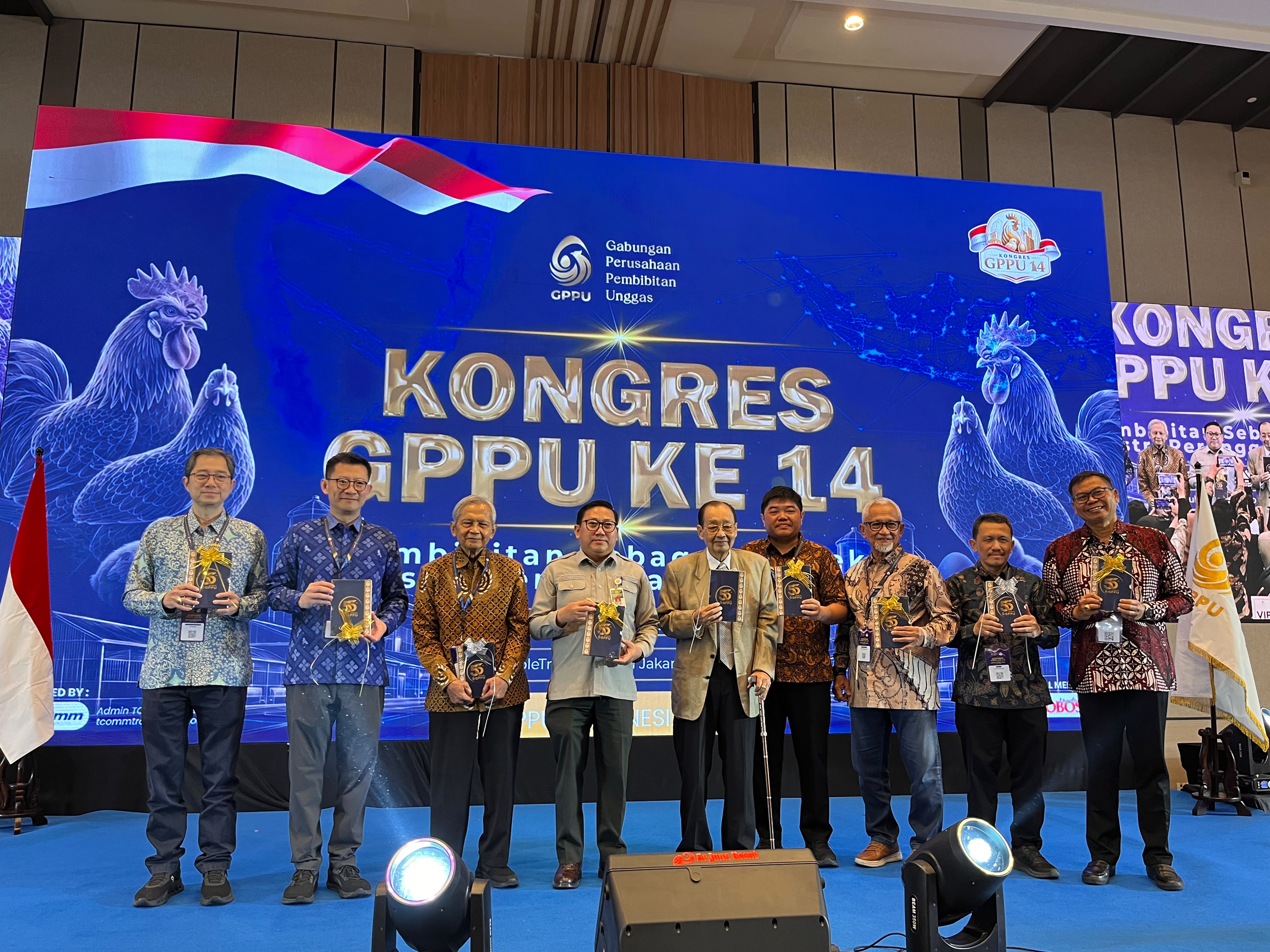
POULTRYINDONESIA, South Tangerang – Amid rising national demand for animal protein and increasingly complex global industry challenges, Indonesia’s poultry breeding sector has once again reaffirmed its role as the cornerstone of the country’s poultry industry. This was highlighted during the 14th Congress of the Indonesian Poultry Breeding Companies Association (GPPU), held at DoubleTree by Hilton Bintaro Jaya, South Tangerang, on July 22–23, 2026.
Carrying the theme “Breeding as the Architect of the National Poultry Industry,” the congress marked an important milestone for GPPU in strengthening the industry’s future direction through the organization’s leadership transition, the launch of a commemorative book celebrating GPPU’s 55th anniversary, and a national seminar addressing key strategic issues facing the poultry sector.
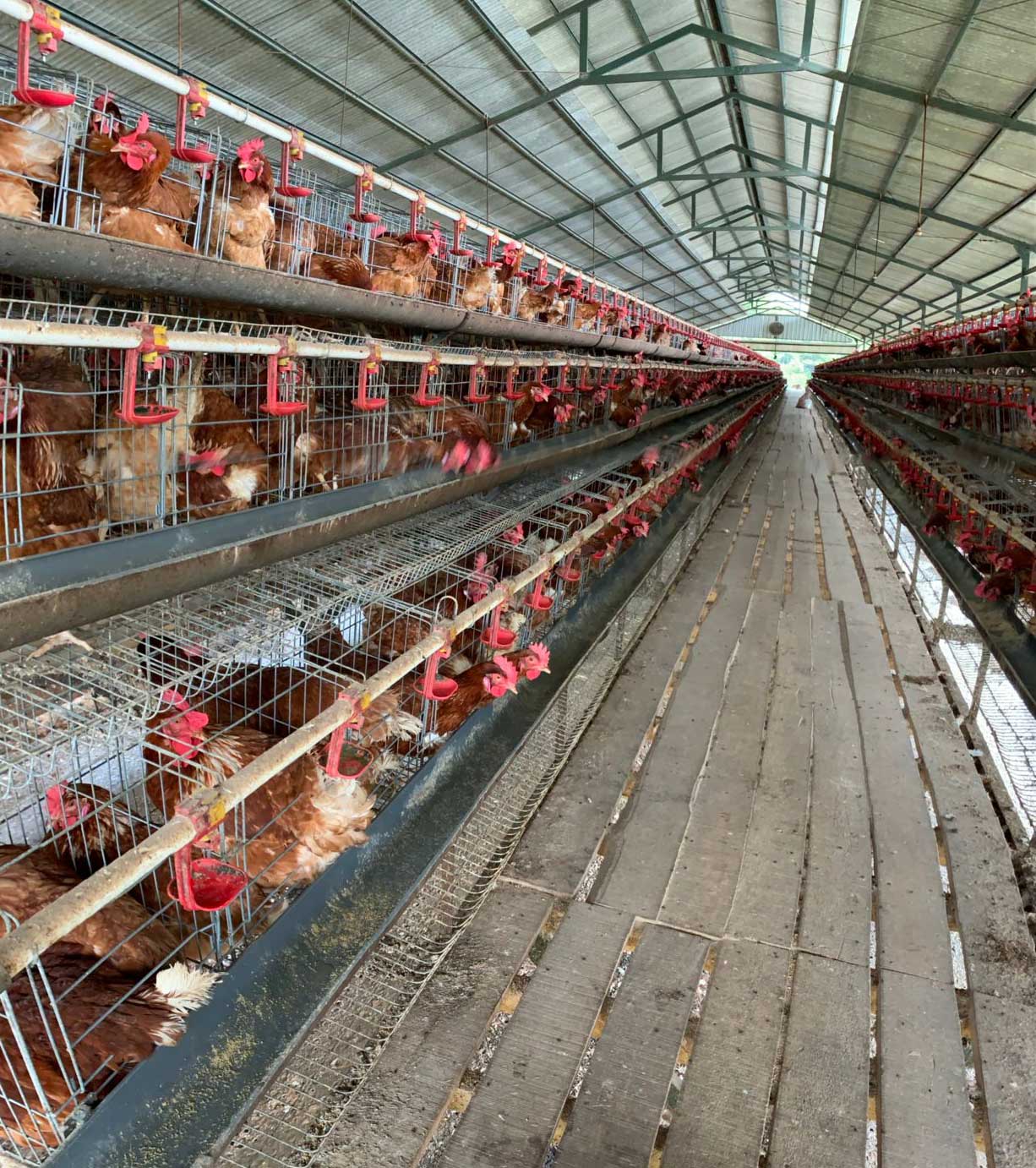
According to data from Statistics Indonesia (BPS), Indonesia’s broiler chicken population exceeded 3.2 billion birds annually in 2024, while the layer chicken population reached approximately 390 million birds. National chicken meat production has surpassed 4 million metric tons per year, while egg production exceeds 6.5 million metric tons annually. These achievements position the poultry industry as Indonesia’s largest source of animal protein.
Behind this impressive production lies the poultry breeding sector, which serves as the upstream foundation determining the quality, productivity, and sustainability of the entire poultry value chain.
GPPU Chairman for the 2022–2026 term, Achmad Dawami, emphasized that breeding is no longer limited to producing day-old chicks (DOC), but has evolved into a center for managing genetic quality, productivity, production efficiency, disease resilience, and overall industry competitiveness.
“Breeding is the starting point of the entire poultry industry value chain. In the modern era, the breeding sector must continue adapting through advances in genetic technology, digitalized breeding management, enhanced biosecurity, and the implementation of sustainability and animal welfare principles. The industry’s ability to innovate will largely determine the success of the poultry sector as a whole. When the upstream sector is strong, the entire industry grows healthier and more competitive,” said Dawami, who has led GPPU for two consecutive terms.
During the event, GPPU also launched a commemorative book titled From Upstream to Food Security: GPPU’s 55-Year Journey in Building a Sustainable Indonesian Poultry Industry. The publication documents the association’s history since its establishment in 1970, while chronicling major milestones in the development of Indonesia’s poultry breeding industry—from the modernization of breeding systems, evolving government policies, and animal disease challenges to innovations that have driven the industry’s progress.
The 14th GPPU Congress also featured a national seminar with speakers representing the government, academia, and the poultry industry. Discussions covered a wide range of strategic topics, including global economic developments, transformation of the breeding sector, strengthening biosecurity, breeding digitalization, and policy directions toward a modern, resilient, and sustainable Indonesian poultry industry.
As part of the congress agenda, the 2026–2030 GPPU Executive Board was officially inaugurated by the Director General of Livestock and Animal Health of Indonesia’s Ministry of Agriculture, in the presence of executives from GPPU member companies, poultry associations, academics, and other industry stakeholders.
Through a consensus-based deliberation process, the congress elected Asrokh Nawawi as Chairman of GPPU for the 2026–2030 term.
In his inaugural address, Asrokh acknowledged that leading GPPU over the next four years would be a significant responsibility. He noted that the poultry industry is expected to face increasingly dynamic and complex challenges, requiring closer collaboration among all stakeholders.
“I sincerely hope for the support of all GPPU members and everyone involved in Indonesia’s poultry industry so that we can continue moving forward together. We will also strengthen collaboration with the government and all stakeholders. God willing, through unity, collaboration, and our ability to adapt to ongoing changes, Indonesia’s poultry industry will continue to grow and prosper,” he concluded optimistically.