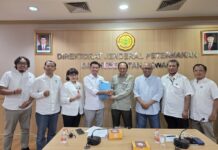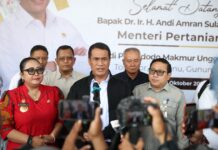




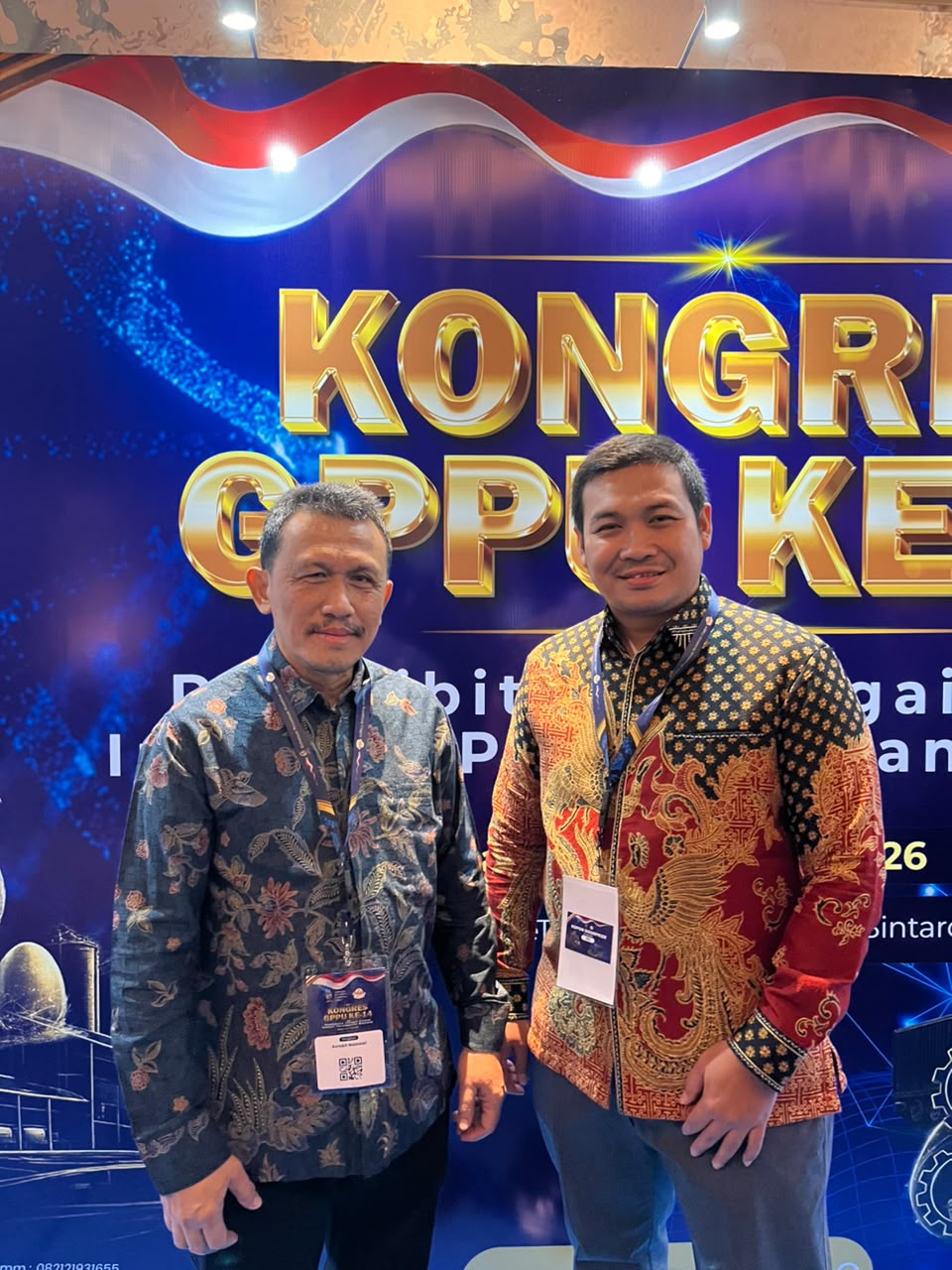
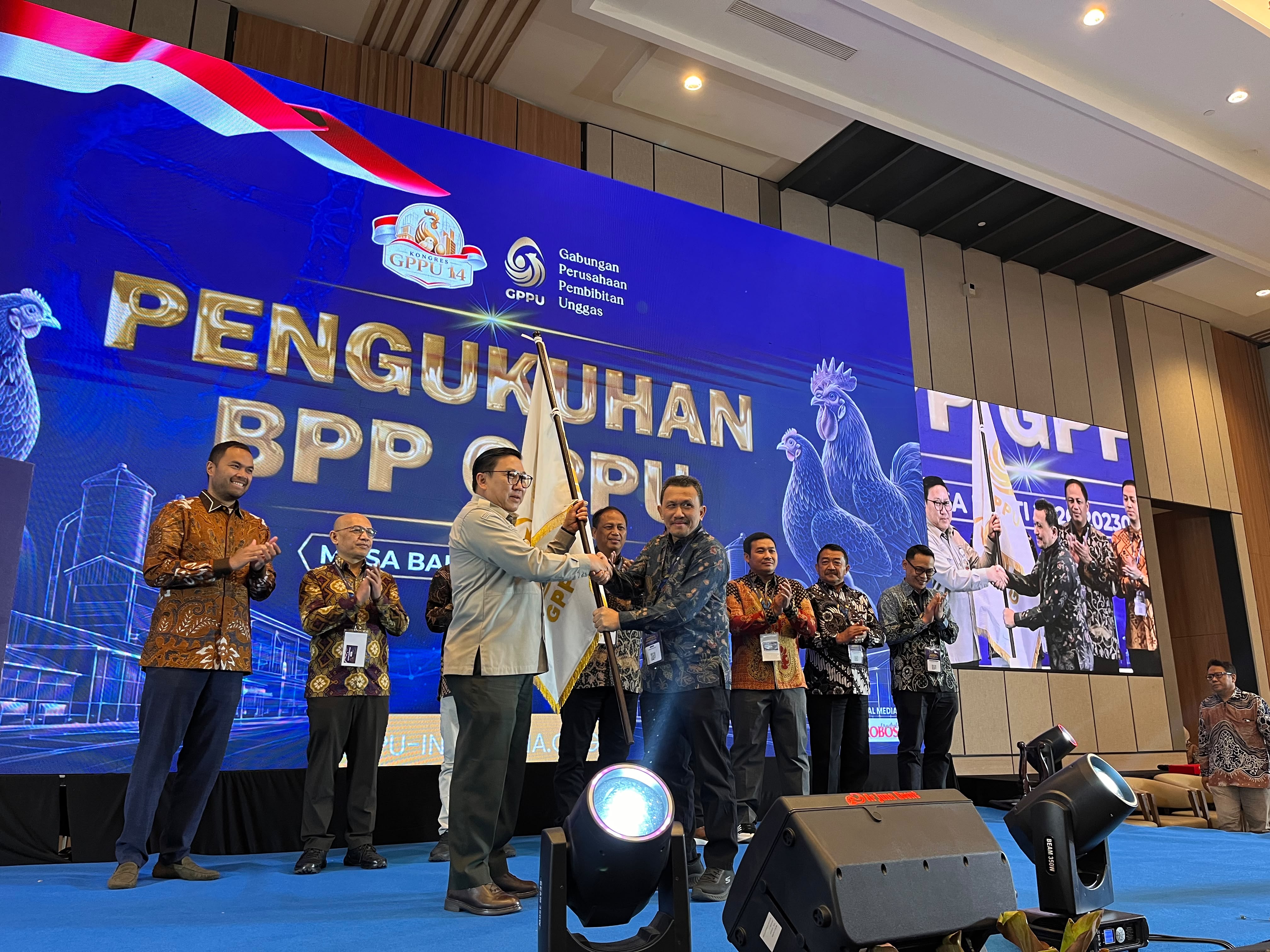
POULTRYINDONESIA, South Tangerang – The 14th Congress of the Indonesian Poultry Breeding Companies Association (GPPU) elected Asrokh Nawawi as Chairman for the 2026–2030 term. Amid increasingly dynamic challenges facing the poultry industry, the new leadership has outlined several strategic priorities aimed at strengthening Indonesia’s poultry breeding sector, including closer collaboration with the government and the development of an integrated digital industry data system.
For Asrokh, GPPU should serve not only as an association representing its member companies but also as a strategic partner to the government in formulating policies related to the poultry industry.
“Our first concrete step will be to reinforce GPPU’s position as a strategic partner of the government. This means we will actively engage in consultations, discussions, and provide recommendations whenever needed to support the development of Indonesia’s poultry sector,” Asrokh said on the sidelines of the 14th GPPU Congress in South Tangerang on Thursday (July 23).
According to him, stronger communication between the government and industry players is essential to ensure that policies are formulated based on actual conditions in the field. Through this role, GPPU is expected to serve as a bridge between regulators and the industry, enabling challenges to be addressed collaboratively.
In addition to strengthening government collaboration, data digitalization has become another key priority for the new administration. Asrokh noted that discrepancies in industry data among different stakeholders often lead to differing perceptions of the sector’s actual condition.
“We will begin integrating supply data, and if possible, complement it with other supporting information so we can obtain a clearer picture of the actual supply situation. Although various datasets already exist, they often do not fully reflect field realities. Therefore, we will work closely with the government to synchronize all of this information. This is one of the main focuses of our administration,” he explained.
 He acknowledged that digitalization is a long-term undertaking that cannot be completed overnight. Nevertheless, he emphasized that establishing a more accurate industry database is essential for both evidence-based policymaking and informed business decision-making.
Supporting this vision, GPPU Secretary General Tri Mahawijaya Herlambang stated that the 2026–2030 executive board includes many younger leaders. This generational renewal is expected to make the organization more adaptive to the rapidly changing poultry industry.
“Most of our current board members represent a younger generation. We hope this will become a new stepping stone for the organization, enabling us to move more dynamically in building partnerships, educating members, and fostering collaboration,” he said.
According to Herlambang, one of the industry’s longstanding challenges has been the lack of synchronized data among stakeholders. Different parties often rely on their own datasets, each believing theirs to be the most accurate.
“Data synchronization among stakeholders has not been optimal. Everyone believes their own data is the most accurate, but that is not necessarily the case. GPPU will play an active role in harmonizing these various datasets,” he said.
As an initial step, GPPU will update data on its members based on their registered grandparent stock (GPS). The updated database is expected to provide a more accurate picture of Indonesia’s national production capacity while serving as a reliable reference for government policymaking.
At the same time, GPPU also plans to pay close attention to the emergence of new players in the poultry sector. According to Herlambang, while new investment is welcomed, it should be accompanied by proper guidance and planning to prevent simultaneous market entry that could lead to production imbalances.
“We certainly welcome new business players. However, they also need guidance and education so they do not all enter the market at the same time. Simultaneous expansion by many companies is often one of the causes of production imbalances. That is something we intend to anticipate through coordination and industry development,” he explained.
Under its new leadership, GPPU aims to play a more proactive role—not only as an association representing poultry breeding companies but also as a strategic government partner capable of providing data-driven policy recommendations while strengthening collaboration across the entire poultry industry value chain.
“We want to unify the voices and vision of all stakeholders. With better communication, more accurate data, and stronger collaboration, we are optimistic that Indonesia’s poultry industry will become healthier, more efficient, and increasingly competitive,” Asrokh concluded.