



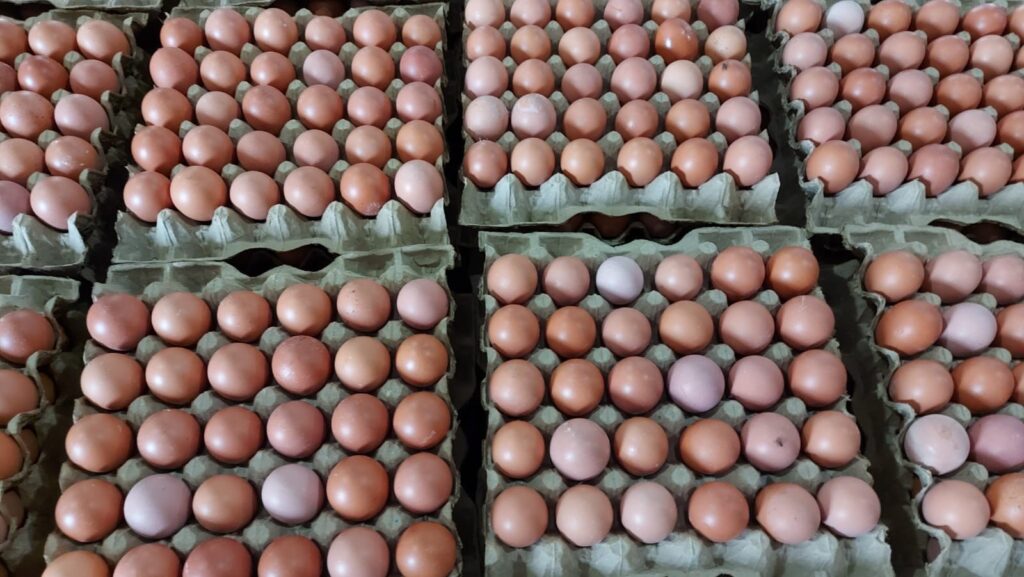
POULTRYINDONESIA, Jakarta – The Ministry of Agriculture (Kementan) is accelerating the procurement of commercial chicken eggs worth Rp30 billion through state-owned food enterprises Perum BULOG and ID FOOD. This initiative follows directives from the Minister of Agriculture and Head of the National Food Agency (Bapanas), Andi Amran Sulaiman, to strengthen the absorption of farmers’ production, particularly in regions experiencing price pressures.
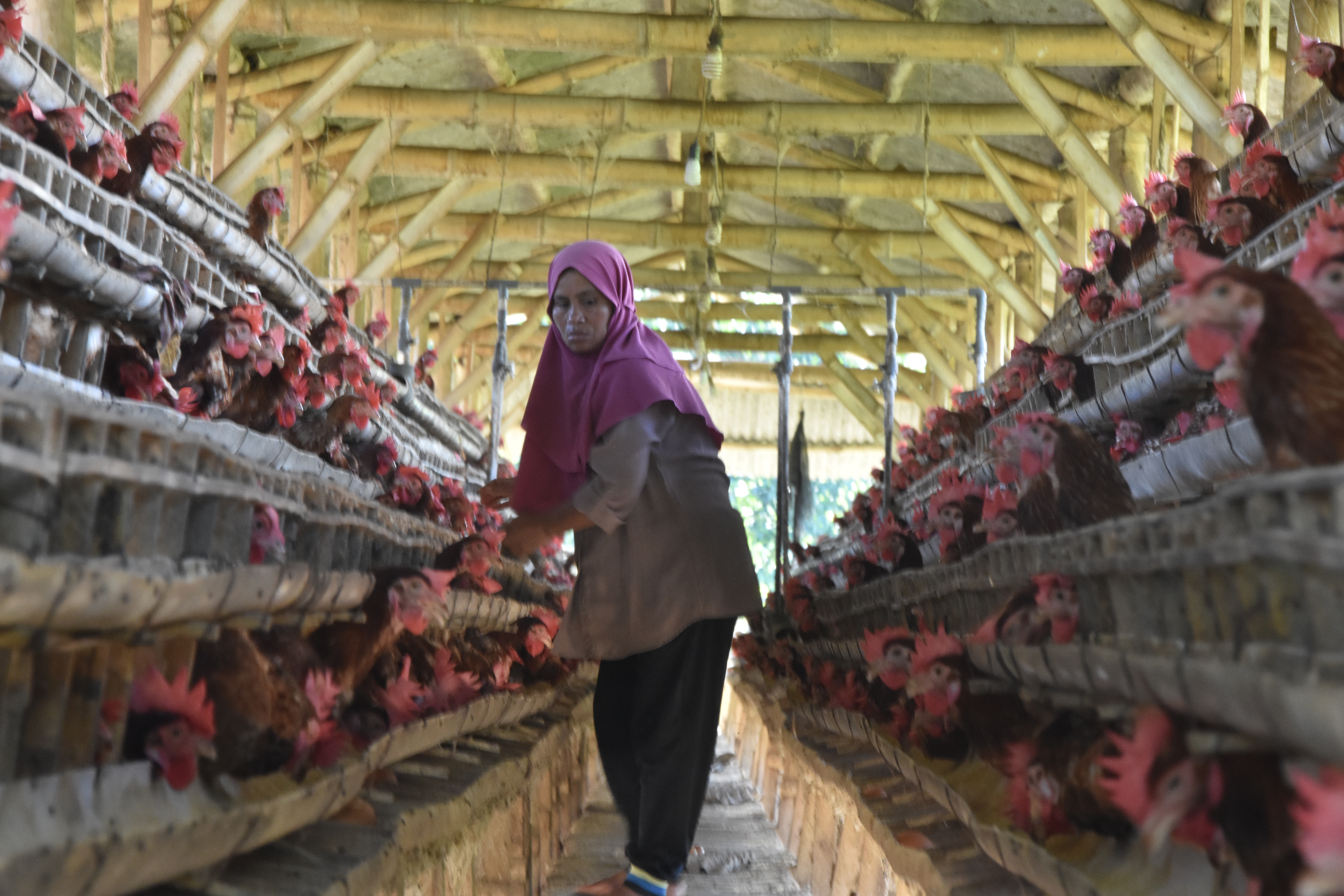
Under the program, each state-owned food enterprise has been allocated Rp15 billion. Procurement will prioritize egg-producing centers across Java, Lampung, and South Sulawesi. In addition to helping improve prices at the producer level, the program specifically targets micro and small-scale poultry farmers affiliated with cooperatives and associations.
Director General of Livestock and Animal Health at the Ministry of Agriculture, Agung Suganda, said the intervention was necessary because egg prices in several production centers remained below the levels required for farmers to cover their production costs. Therefore, the government aims to ensure that the procurement program reaches farmers more equitably.
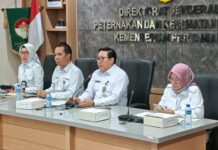
“Micro and small-scale farmers, particularly those affiliated with cooperatives, are our priority. We do not want any cooperative to feel left behind or unable to benefit from the egg procurement program worth Rp30 billion,” Agung said during a coordination meeting with BULOG, ID FOOD, the National Food Agency (Bapanas), the National Nutrition Agency (BGN), and representatives of cooperatives and poultry farmers in Jakarta on Tuesday (November 3, 2026).
Agung explained that procurement would prioritize production centers, with a minimum purchase price of Rp24,000 per kilogram. The policy is expected to help support egg prices in regions currently experiencing market pressure.
“The Rp30 billion allocation will be used to prioritize procurement in egg-producing centers at a minimum price of Rp24,000 per kilogram,” he stated.
Support for the initiative was also expressed by Hermawan, Deputy for Food Availability and Stabilization at Bapanas. He welcomed the meeting as an opportunity for the government to hear farmers’ concerns directly while discussing measures to protect the sustainability of their businesses.
“We greatly appreciate today’s meeting because we want to listen to farmers’ concerns and ensure that they are protected. Farmers should not feel that the government is absent when they need support,” he said.
Hermawan also emphasized that procurement should not rely solely on suppliers who have traditionally served as partners. Farmers and cooperatives that have not previously had such opportunities should also be involved so that the program’s benefits can reach a wider audience.
However, procurement efforts must also take distribution readiness into account. Given the relatively limited shelf life of eggs, companies need to ensure that marketing channels and distribution destinations are in place before making purchases.
BULOG Marketing Director Rahmanto Amin Jatmiko explained that egg procurement would follow a commercial mechanism. This means that purchases must be accompanied by sales planning to ensure that the products can be distributed promptly. He noted that eggs have a shelf life of approximately seven to 10 days, making long-term storage impractical.
“The sooner we receive information about availability and procurement requirements, the sooner we can prepare the budget and arrange the sales channels,” Rahmanto said.
BULOG recorded approximately Rp15 billion in egg procurement from January to October 2026. In addition to this realization, the company has prepared an additional Rp15 billion allocation for the program. During the meeting, BULOG also announced that it had obtained internal approval of approximately Rp4.8 billion for the initial stage of additional procurement.
Meanwhile, ID FOOD had already begun procuring eggs on October 27, 2026. By November 2, during the first five days of implementation, the company reported purchases worth approximately Rp2.9 billion, equivalent to 130 tons. This initial procurement formed part of the ongoing initiative before the joint scheme involving BULOG and ID FOOD was scheduled to begin on November 5.
ID FOOD Commercial Director Dwi Sutoro explained that egg procurement also follows a commercial mechanism. Therefore, market certainty remains a key consideration to ensure that purchased products can be sold promptly.
“ID FOOD operates under a business-oriented scheme. We purchase the products and must ensure that we can sell them without incurring losses,” he stated.
ID FOOD aims to optimize its Rp15 billion allocation by the end of November 2026. To support implementation, the company needs to ensure the availability of supply points and target markets so that procurement can reach the farmers prioritized under the program.
From the farmers’ perspective, Yudianto Yosgiarso, Chairman of the Presidium of the National Layer Farmers Association (Pinsar Petelur Nasional), welcomed the efforts by BULOG and ID FOOD to strengthen egg procurement. He expressed hope that the initiative would not end in November but would continue and expand to meet the needs of households, industries, and government programs.
“We greatly appreciate the efforts of BULOG and ID FOOD. Farmers still need support. As an association chairman, we hope that action will be taken throughout November to absorb eggs for household and industrial needs. If BGN can align its procurement efforts, egg prices will naturally improve,” Yudianto said while attending the meeting online.
Similarly, Suwardi, Chairman of the Unggas Sejahtera Farmers Cooperative in Kendal, urged the government to immediately implement procurement in production centers. According to him, cooperative involvement and purchase certainty are essential to helping farmers sustain their businesses.
“Let’s work together to make this program a success. Production is already abundant. We are here to find solutions so that we can stay in business and egg prices can be managed,” Suwardi said.
In addition to egg procurement, the coordination meeting also discussed accelerating corn distribution through the Food Supply and Price Stabilization Program (SPHP). Corn distribution is targeted for completion no later than November 20, 2026. The Ministry of Agriculture has called on BULOG and cooperatives to accelerate distribution so that farmers’ corn requirements can be met promptly.
Through these various measures, the Ministry of Agriculture is encouraging egg procurement, corn distribution, and market access for poultry farmers to progress simultaneously. Inter-agency coordination and cooperative involvement are expected to ensure that government support reaches its intended beneficiaries, particularly micro and small-scale farmers seeking market certainty amid price pressures and abundant production.
**For more information about Indonesia’s poultry industry, join us on the Satwa Media Group WhatsApp Channel.