




POULTRYINDONESIA, Jakarta – The government has prepared a series of measures to stabilize chicken egg prices, which remain below the Government Purchase Reference Price (HAP) of Rp26,500 per kilogram. The initiative is being carried out through coordination among the Ministry of Agriculture (MoA), the National Food Agency (NFA), feed manufacturers, poultry farmer cooperatives, state-owned enterprises (SOEs), the National Police Food Task Force, and industry stakeholders to safeguard the sustainability of smallholder layer farming.
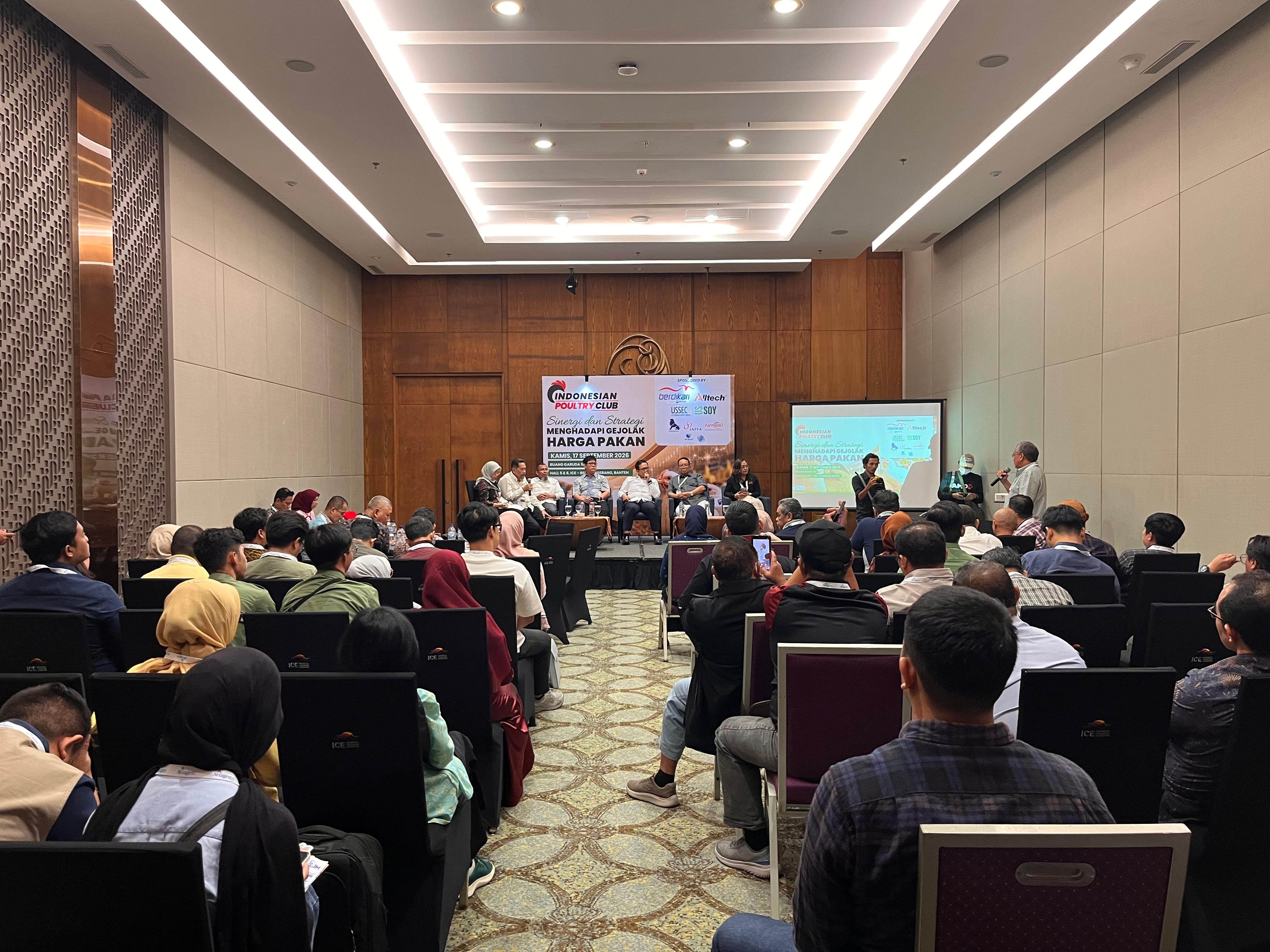
One of the key agreements reached is to delay feed price increases, while simultaneously optimizing egg procurement through the Free Nutritious Meals (MBG) Program at the HAP price, accelerating the distribution of corn under the Food Supply and Price Stabilization (SPHP) program, and strengthening oversight of egg trading practices in the market.
Minister of Agriculture and Head of the National Food Agency, Andi Amran Sulaiman, said the government would implement several measures to protect layer farmers as egg prices remain below the official purchase reference price.
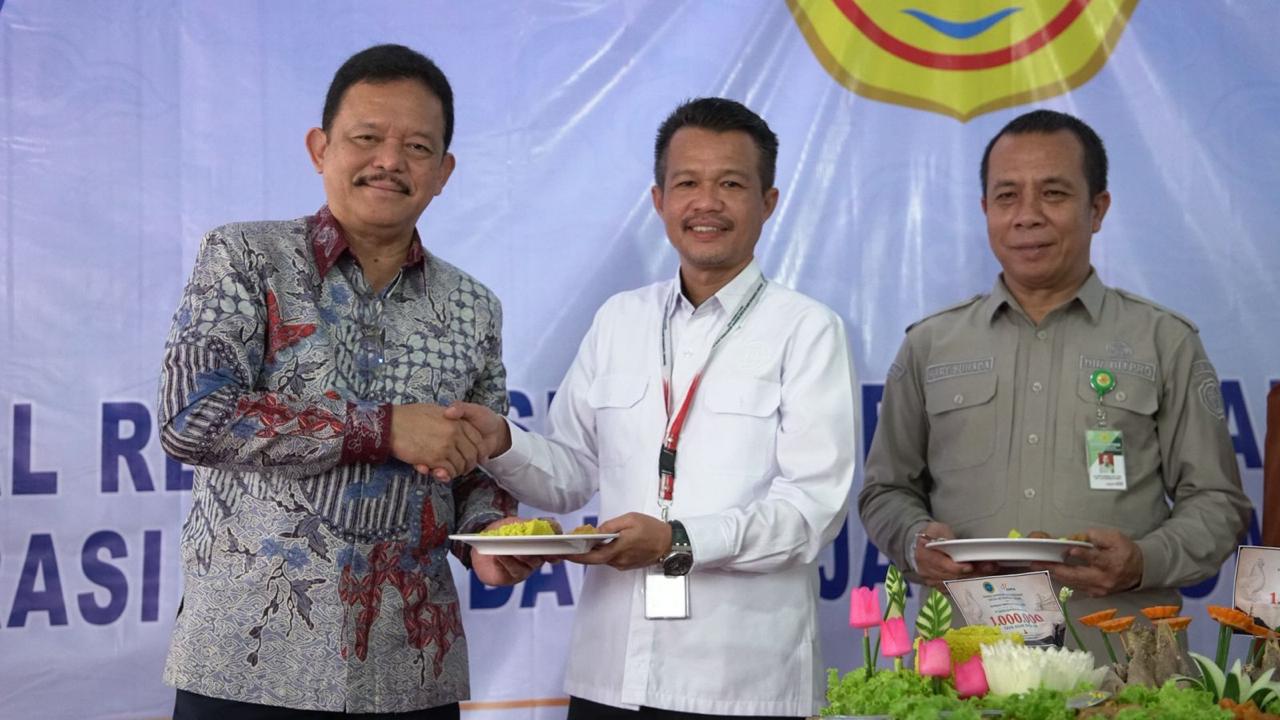
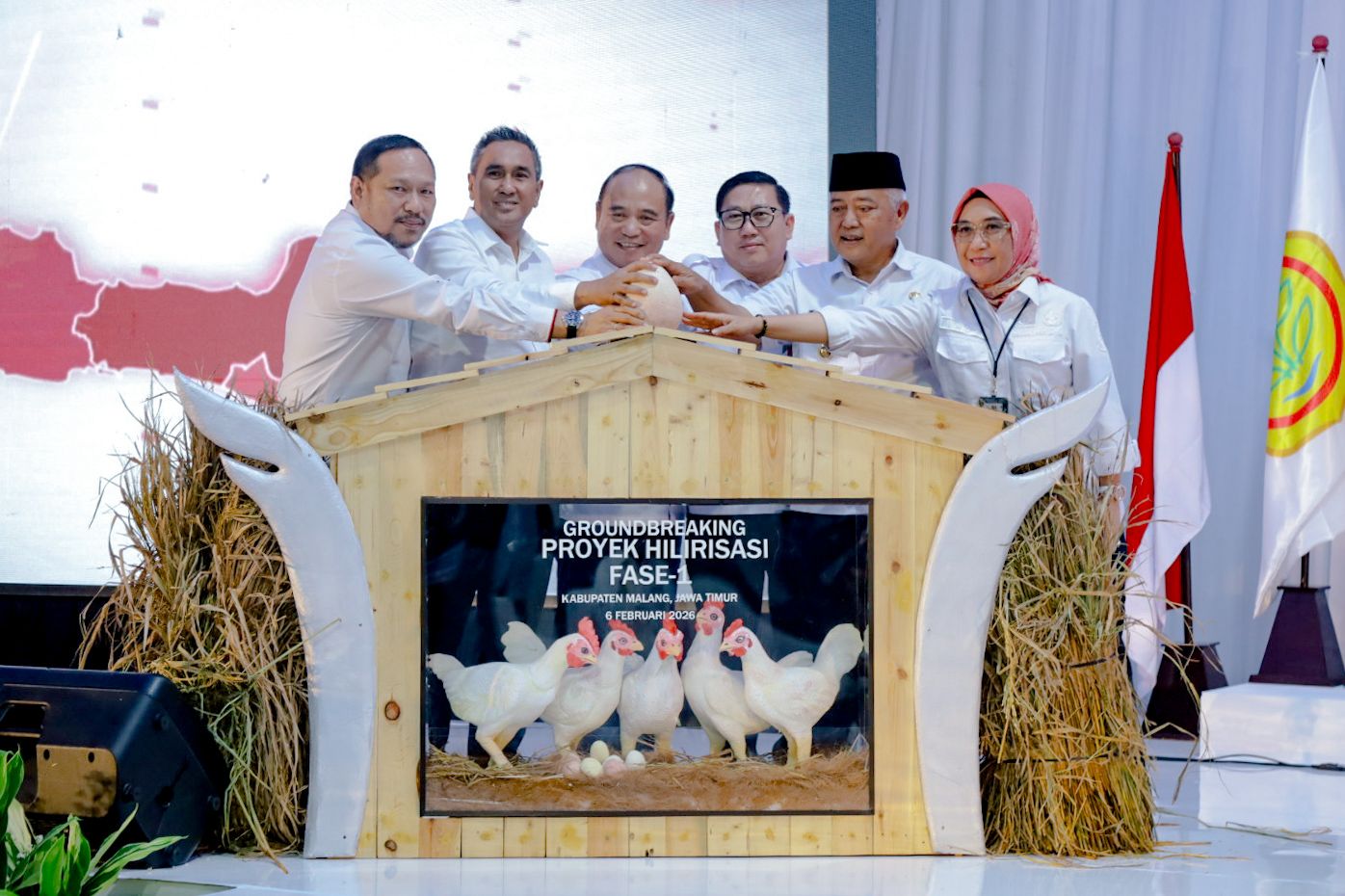
“As long as I am in charge, the problems faced by poultry farmers must be resolved. The government stands with small-scale farmers,” the minister emphasized during a Feed Coordination Meeting at the Ministry of Agriculture headquarters in Jakarta on Monday (Aug. 3).
As a follow-up, the Ministry of Agriculture will send a formal letter to the National Nutrition Agency (BGN) requesting that all Nutrition Fulfillment Service Units (SPPG) purchase eggs from nearby farmers at the government-set HAP. The government will also propose procuring eggs through the Government Food Reserve (CPP) scheme as an additional price stabilization instrument.
In addition, Amran called for tighter supervision of egg trading, particularly transactions conducted far below the reference price.
“Regarding the Government Food Reserve, we will immediately send a letter to the Coordinating Ministry for Food Affairs. Anyone selling eggs below the reference price will be investigated. Give us the names, and I have instructed the Food Task Force to conduct inspections,” he said.
Director General of Livestock and Animal Health at the Ministry of Agriculture, Agung Suganda, said the government and industry stakeholders had agreed on measures to better balance production and demand in support of egg price stabilization.
“We have agreed on two main aspects. On the production side, we will adjust egg production accordingly. On the demand side, we will encourage stronger consumption, including through the Free Nutritious Meals Program, in line with the direction of the Head of the National Nutrition Agency that SPPG units purchase eggs at the government reference price,” he said.
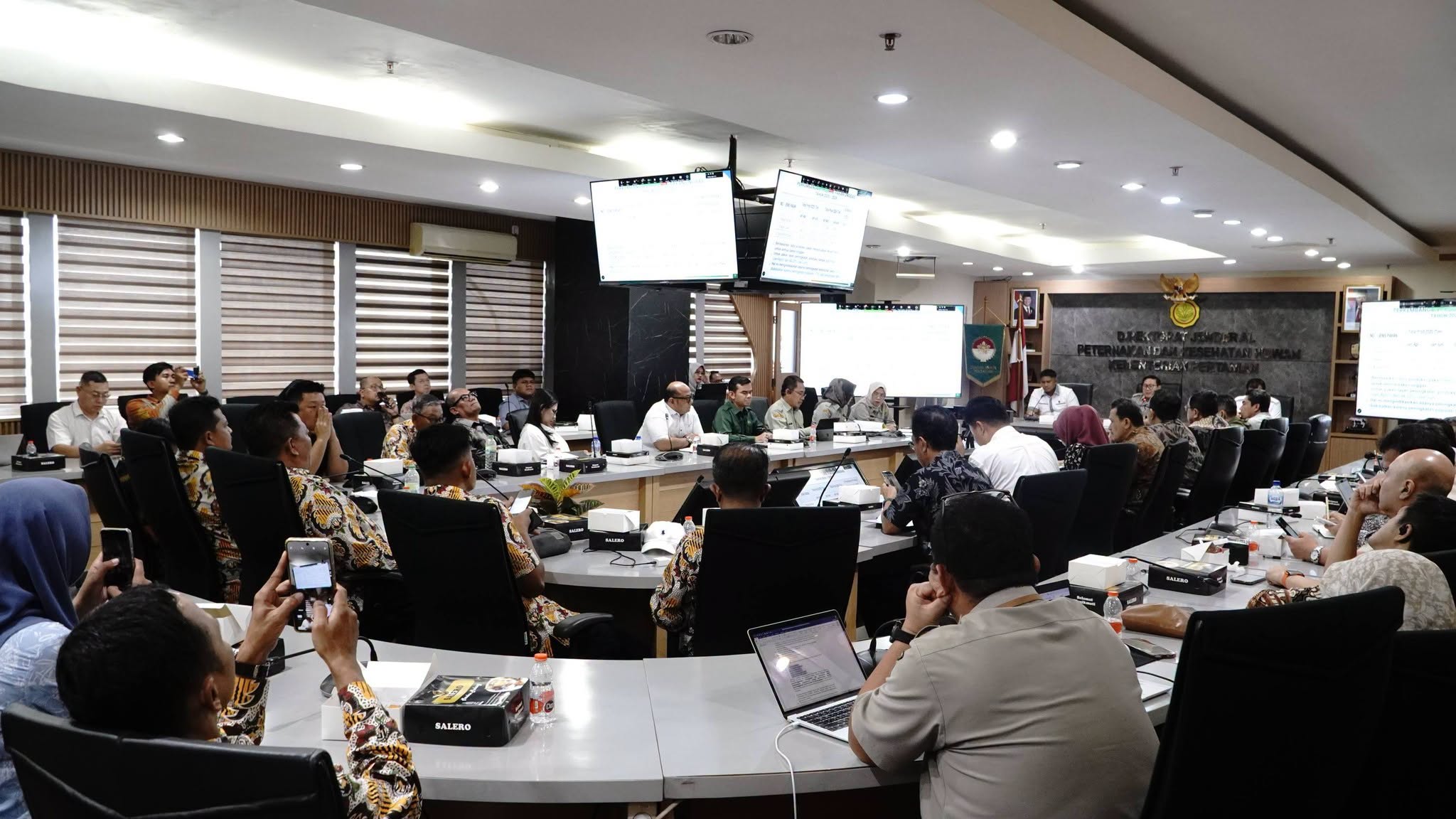 Agung added that the Ministry had also requested the National Police Food Task Force to strengthen oversight of brokers and buyers purchasing eggs at excessively low prices, which harm farmers. During the meeting, he noted that feed manufacturers had committed to postponing feed price increases despite rising production costs.
“Feed manufacturers have agreed to hold off on raising feed prices. Around 30 percent of feed ingredients are still imported, making costs vulnerable to exchange rate fluctuations, higher logistics expenses, and global commodity prices. However, given that egg prices remain weak, feed mills have agreed to delay any price increases while monitoring market conditions to ensure the sustainability of smallholder poultry farmers,” Agung explained.
The government is also accelerating corn distribution through the SPHP program to help reduce farmers’ production costs. So far, only about half of the allocated volume has been distributed, and efforts are now being intensified to reach micro and small-scale poultry farmers.
Meanwhile, the National Police Food Task Force stated that it would strengthen market supervision through cross-sector coordination, regular monitoring of prices and stock levels, oversight of distribution channels, and law enforcement against violations that could trigger market instability. Senior Commissioner Lambe Patabang Birana, representing the task force, said monitoring would cover the entire supply chain, from farms to distributors and traditional markets.
“Supervision must be strengthened through cross-sector coordination, routine monitoring of prices and inventories at the farmer, distributor, and market levels, while prioritizing product distribution from surplus regions to deficit areas. Business operators must also be educated to comply with government reference prices, accompanied by proportionate law enforcement against hoarding and distribution violations that could destabilize the market,” Lambe said.
Suwardi, Chairman of the Kendal Prosperous Poultry Farmers Cooperative (KPUS), welcomed the meeting’s outcomes, particularly the agreement to postpone feed price increases and accelerate SPHP corn distribution.
“It has been agreed that, effective today, there will be no increase in feed or concentrate prices. We also received clarification that Berdikari’s soybean meal (SBM) price at the port is Rp8,600 per kilogram, which helps correct the misinformation that has been circulating. We also requested that SPHP corn distribution be extended for six months for micro farmers, four months for small farmers, and two months for medium-scale farmers,” Suwardi said.