
Halo! Kami siap untuk membantu Anda.
Temukan topik seputar Poultry Indonesia.

Redaksi

Marketing (Advertising and Media Partnership)

Pembelian dan Langganan Majalah
Apa itu Poultry Indonesia?
Kapan Majalah Poultry terbit?
Bagaimana cara mendapatkan dan berlangganan majalah Poultry Indonesia?
Bagaimana cara membayar pesanan majalah Poultry Indonesia?
Apa itu Advertorial?
Bagaimana cara memasang iklan di website Poultry Indonesia?
Dari mana referensi informasi dalam majalah poultry indonesia?
Dengan siapa saya bisa bertanya seputar kesehatan, penyakit terkait unggas?
Apa itu Poultry Events?
Dengan siapa saya bisa ingin mengajukan kerjasama media partner atau mengadakan suatu kegiatan?
Poultry Indonesia merupakan majalah yang didirikan pada tahun 1979 di Jakarta, dan menjadi majalah pertama dan tertua di Indonesia yang memiliki ulasan khusus mengenai perunggasan.
Referensi informasi yang tersaji dalam majalah Poultry Indonesia tidak hanya tercakup dalam negeri saja, Poultry Indonesia telah menjalin kerjasama dengan berbagai pihak luar negeri untuk menyajikan informasi terkait perkembangan perunggasan di luar Indonesia.
Poultry Indonesia terdiri dari sekelompok orang yang memiliki dedikasi dan apresiasi tinggi terhadap pekerjaan mereka, dengan senantiasa selalu menyajikan sebuah majalah yang layak dibaca oleh masyarakat perunggasan.
Majalah Poultry Indonesia terbit per bulan pada minggu ke-2 dan memiliki dua belas edisi setiap tahun.
Majalah Poultry Indonesia tersedia di Toko Buku Gramedia namun dengan kuantiti terbatas. Anda bisa juga langsung membeli dengan menghubungi Poultry Indonesia melalui:
| Telepon | : +6221 62318153 |
| : sirkulasi@poultryindonesia.com | |
| : @poultryindonesia |
Atau daftar secara online dengan cara isi formulir pendaftaran poultryindonesia.com/berlangganan
Pembayaran Majalah Poultry Indonesia dapat dilakukan melalui transfer:
Bukti transfer dikirim melalui Email:
Advertorial adalah artikel yang dimuat di media massa dengan cara membayar yang bertujuan untuk promosi. Selain itu juga advertorial bisa diartikan sebagai iklan yang disusun atau dibuat sedemikian rupa sehingga seperti sebuah artikel yang dikarang oleh media cetak yang bersangkutan.
Untuk dapat memasang iklan pada Website Poultry Indonesia dapat menghubungi Divisi Iklan melalui Email:
advertisement.poultryindonesia@gmail.com
Atau dapat melalui Whatsapp Divisi Iklan & Marketing
Referensi informasi yang tersaji dalam majalah Poultry Indonesia tidak hanya tercakup dalam negeri saja, Poultry Indonesia telah menjalin
kerjasama dengan berbagai pihak luar negeri untuk menyajikan informasi terkait perkembangan perunggasan di luar Indonesia.
Koresponden Luar Negri:
Elis Helinna (New York, Amerika Serikat)
Koresponden Dalam Negeri:
Boy Gunawan Agustino (Tegal),
Muhrishol Yafi (Sidoarjo),
Mahardika Agil Bimasono (Yogyakarta), Sri Maulidini (Purwokerto),
Tri Okto Sareji Adytia (Poso).
Dapat menghubungi tim redaksi di Email
redaksi.poultryindonesia@gmail.com
atau dapat melalui pesan
Whatsapp Divisi Redaksi & Kesehatan
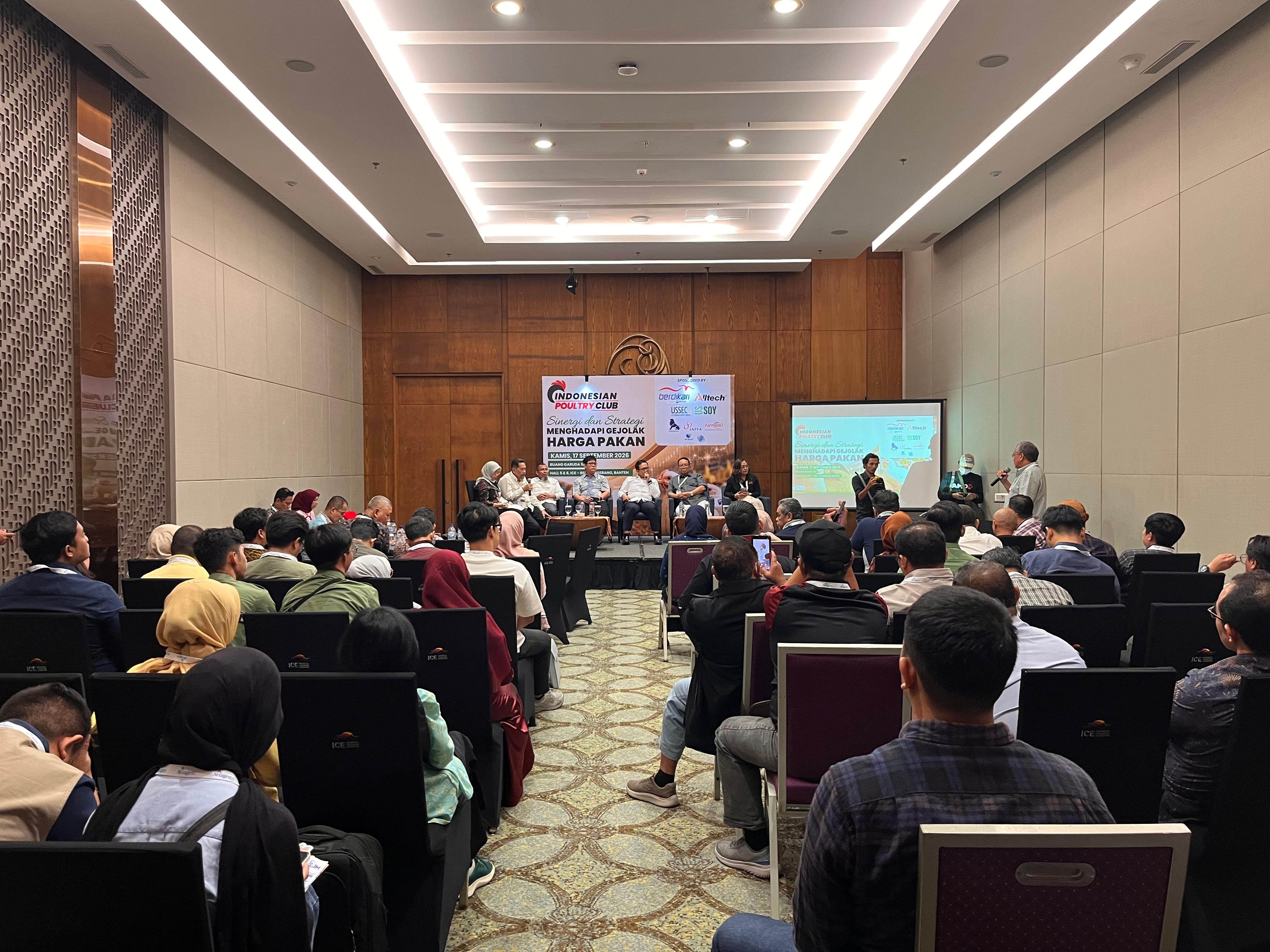
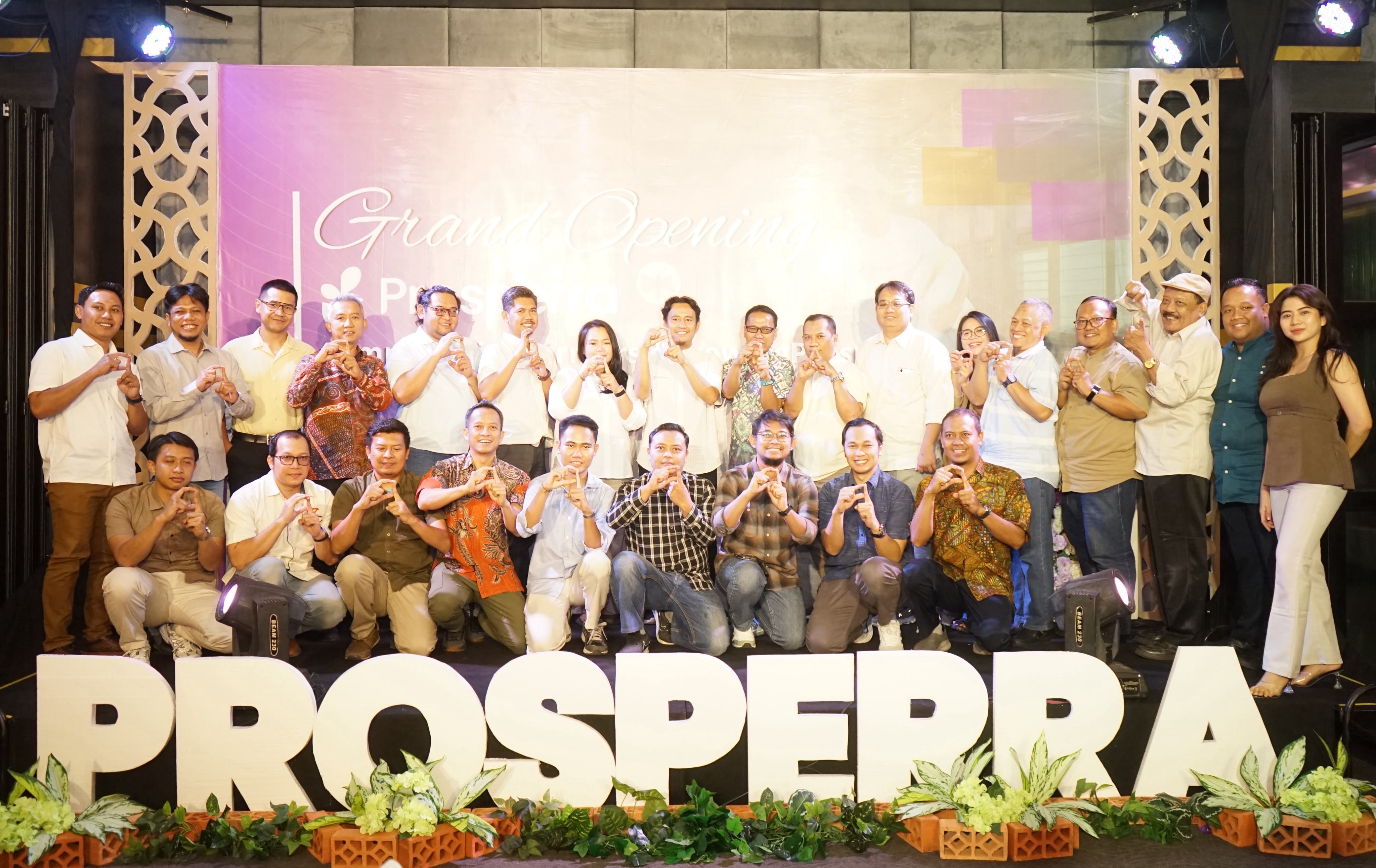
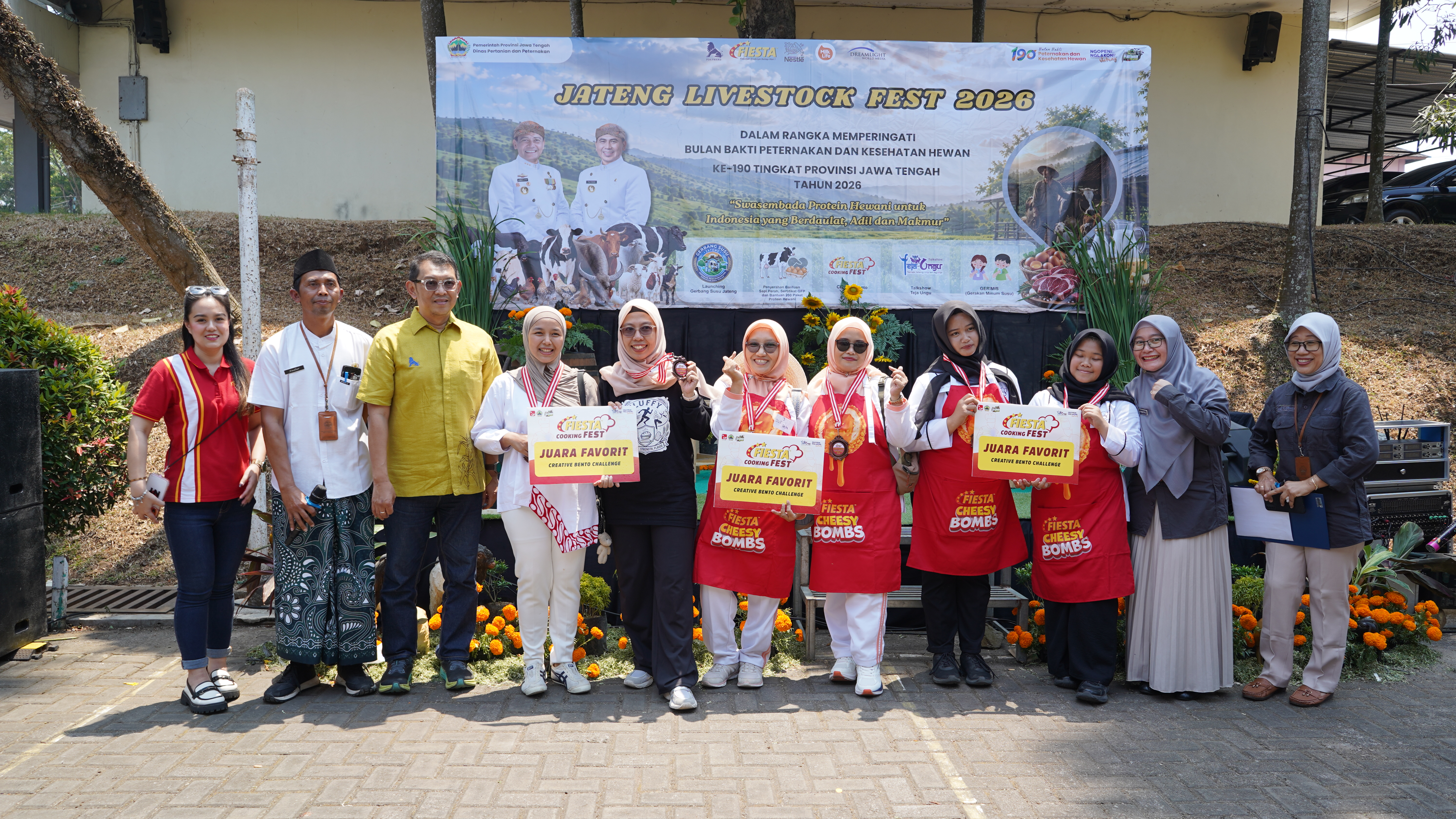
Poultry Events merupakan bagian dari divisi Marketing di Poultry Indonesia yang menangani event organizer, tour peternakan, dan media relations.
Dapat menghubungi langsung melalui Email:
promo.poultryindonesia@gmail.com
Atau dapat melalui Whatsapp Divisi Iklan & Marketing