Bagaimana cara mendapatkan dan berlangganan majalah Poultry Indonesia?
Bagaimana cara membayar pesanan majalah Poultry Indonesia?
Apa itu Advertorial?
Bagaimana cara memasang iklan di website Poultry Indonesia?
Dari mana referensi informasi dalam majalah poultry indonesia?
Dengan siapa saya bisa bertanya seputar kesehatan, penyakit terkait unggas?
Apa itu Poultry Events?
Dengan siapa saya bisa ingin mengajukan kerjasama media partner atau mengadakan suatu kegiatan?
Apa itu Poultry Indonesia?
Poultry Indonesia merupakan majalah yang didirikan pada tahun 1979 di Jakarta, dan menjadi majalah pertama dan tertua di Indonesia yang memiliki ulasan khusus mengenai perunggasan.
Referensi informasi yang tersaji dalam majalah Poultry Indonesia tidak hanya tercakup dalam negeri saja, Poultry Indonesia telah menjalin kerjasama dengan berbagai pihak luar negeri untuk menyajikan informasi terkait perkembangan perunggasan di luar Indonesia.
Poultry Indonesia terdiri dari sekelompok orang yang memiliki dedikasi dan apresiasi tinggi terhadap pekerjaan mereka, dengan senantiasa selalu menyajikan sebuah majalah yang layak dibaca oleh masyarakat perunggasan.
Kapan Majalah Poultry terbit?
Majalah Poultry Indonesia terbit per bulan pada minggu ke-2 dan memiliki dua belas edisi setiap tahun.
Bagaimana cara mendapatkan dan berlangganan majalah Poultry Indonesia?
Majalah Poultry Indonesia tersedia di Toko Buku Gramedia namun dengan kuantiti terbatas. Anda bisa juga langsung membeli dengan menghubungi Poultry Indonesia melalui:
Advertorial adalah artikel yang dimuat di media massa dengan cara membayar yang bertujuan untuk promosi.
Selain itu juga advertorial bisa diartikan sebagai iklan yang disusun atau dibuat sedemikian rupa
sehingga seperti sebuah artikel yang dikarang oleh media cetak yang bersangkutan.
Bagaimana cara memasang iklan di website Poultry Indonesia?
Untuk dapat memasang iklan pada Website Poultry Indonesia dapat menghubungi Divisi Iklan melalui Email:
Darimana referensi informasi dalam majalah poultry indonesia?
Referensi informasi yang tersaji dalam majalah Poultry Indonesia tidak hanya tercakup dalam negeri saja, Poultry Indonesia telah menjalin
kerjasama dengan berbagai pihak luar negeri untuk menyajikan informasi terkait perkembangan perunggasan di luar Indonesia.
Koresponden Luar Negri:
Elis Helinna (New York, Amerika Serikat)
Koresponden Dalam Negeri:
Boy Gunawan Agustino (Tegal),
Muhrishol Yafi (Sidoarjo),
Mahardika Agil Bimasono (Yogyakarta), Sri Maulidini (Purwokerto),
Tri Okto Sareji Adytia (Poso).
Dengan siapa saya bisa bertanya seputar kesehatan, penyakit terkait unggas?
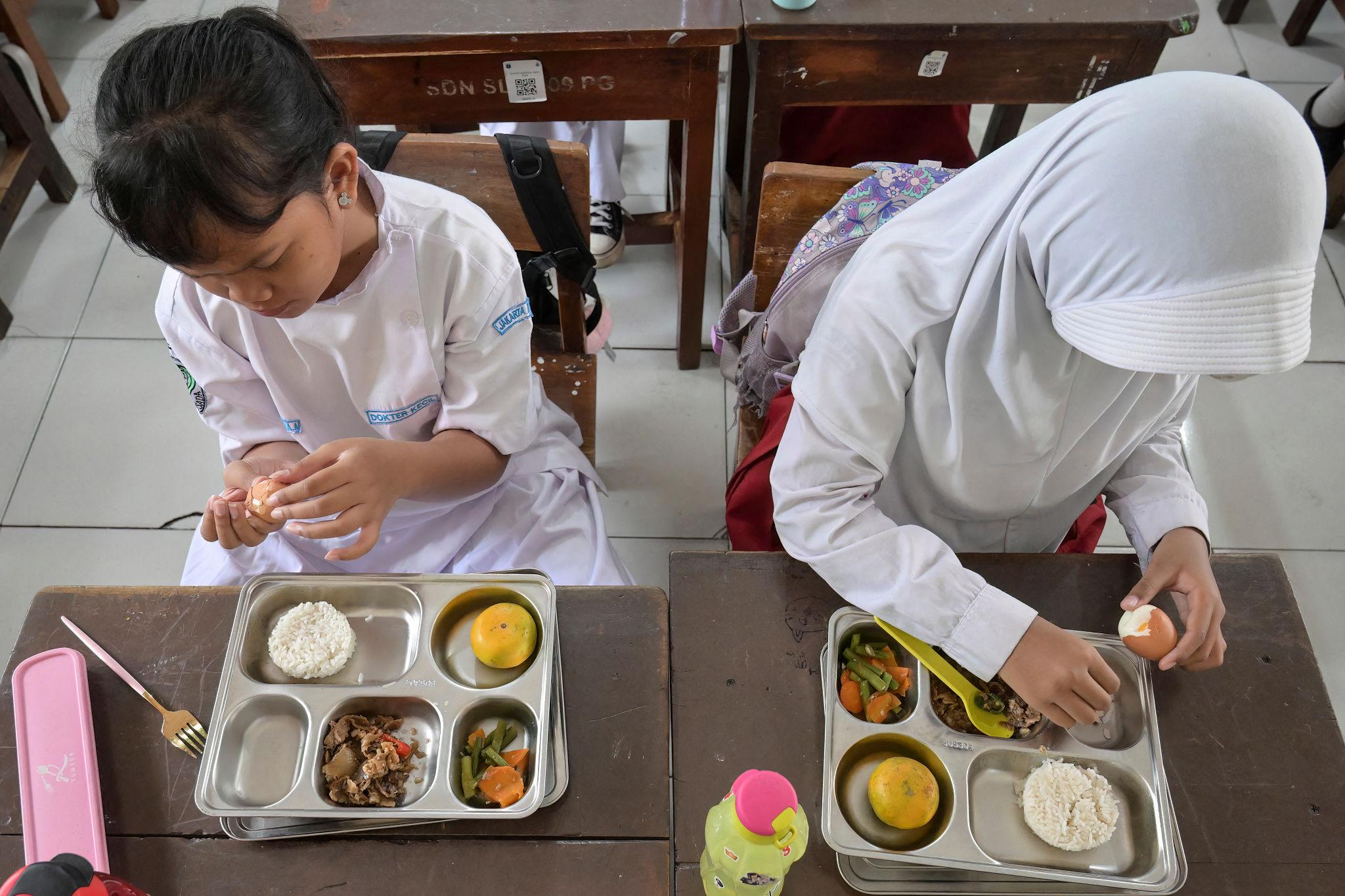
POULTRYINDONESIA, JAKARTA — The Free Nutritious Meals (MBG) Program presents a major opportunity to strengthen national protein consumption. With structured and large-scale demand for nutritious meals, the program has the potential to become an anchor demand for domestic livestock products, particularly eggs and chicken meat.
However, behind this opportunity lies an equally important question: who will ensure that protein sources for MBG remain sustainably available? For the Indonesian People’s Farmers Association (PERMINDO), the success of MBG cannot be measured solely by the number of meals distributed. The program must also create an ecosystem that enables protein producers to remain in business.
Eggs and chicken meat are important sources of protein for the public while also providing livelihoods for millions of people involved in the livestock industry. Therefore, increasing protein consumption through MBG must go hand in hand with policies that provide farmers with certainty and allow them to continue producing.
“We must not pit the interests of improving children’s nutrition against the interests of livestock farmers. The two are actually inseparable. Indonesian children need protein to build the next generation, while that protein is produced by farmers. Therefore, the national nutrition program must go hand in hand with policies that safeguard the sustainability of farmers,” said Kusnan, Chairman of PERMINDO, in a written statement on Tuesday (11/7).
Kusnan noted that current poultry prices indicate issues that need to be addressed immediately. The price of broiler chickens or livebird is currently around Rp25,000 per kilogram, approaching the government’s reference price (HAP).
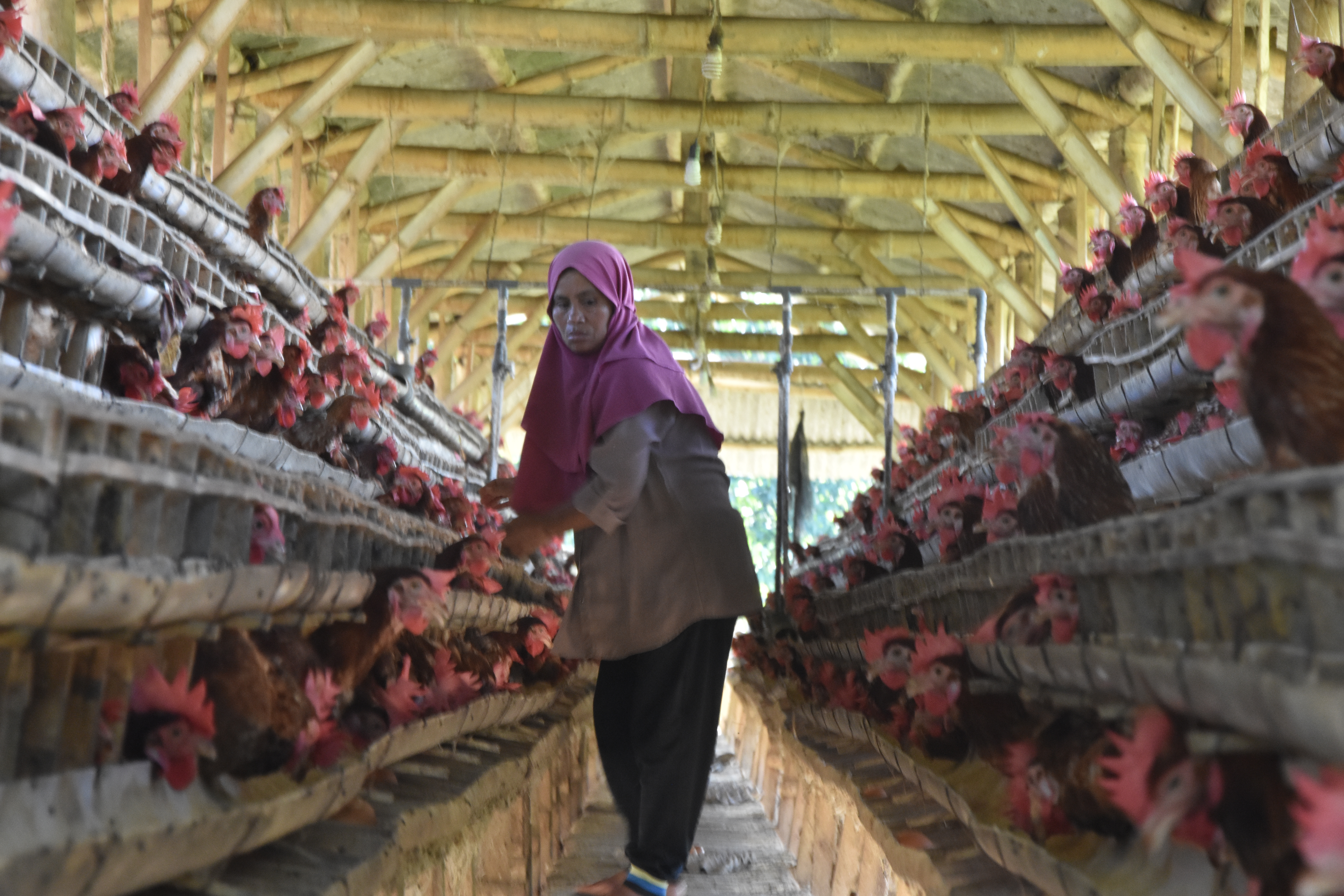
Telur dan daging ayam menjadi salah satu sumber protein penting dalam pemenuhan kebutuhan gizi melalui Program Makan Bergizi Gratis (MBG). Namun, besarnya kebutuhan harus diikuti dengan rantai pasok yang sehat dan harga yang layak bagi produsen.
A different situation is still being experienced by layer farmers. Egg prices have reportedly fallen to around Rp21,000 per kilogram, while the HAP for eggs at the producer level has been set at Rp26,500 per kilogram. At the same time, feed, chicks, energy, labor, and various other production costs remain high.
This situation presents a particular challenge as MBG begins generating large-scale demand for protein. Increased demand does not automatically guarantee that farmers will receive fair prices.
He pointed to the broiler sector as an example of the importance of maintaining a supply-demand balance. Livebird prices, which previously plunged to around Rp13,000 per kilogram, have now moved closer to the HAP following adjustments in supply and population.
“The lesson from broilers is very clear. When supply and demand are managed and supply returns to balance, producer prices can improve. The question is, why has this kind of supply-demand management not yet become a permanent system across the entire livestock subsector?” he said.
He added that the issue should not stop at the current price of eggs. What is at stake is the sustainability of national protein production.
Meanwhile, PERMINDO Secretary General Heri Irawan said that MBG could actually serve as momentum to establish a more structured protein supply chain. However, a large market must be built through a sound mechanism.
The government needs to ensure that every link in the chain operates in tandem: adequate production, available markets, fair producer prices, farmers’ ability to remain in business, and sustainable production.
“If the chain breaks at any point, the broader objectives of MBG will also face problems. We must not allow the government to successfully create protein demand through MBG while, at the same time, farmers as producers fail to receive a fair price that enables them to maintain production,” Heri said.
Furthermore, he highlighted the implementation of egg procurement for MBG. In the Joint Commitment Document on the Procurement of Eggs and Chicken Meat for the Free Nutritious Meals Program in Central Java, signed on June 19, 2026, there was a commitment to purchase eggs at Rp26,000 per kilogram, with gradual increases in line with the government’s HAP.
However, based on reports from farmers received by PERMINDO, egg procurement for MBG in the field is still taking place at around Rp21,000 per kilogram. If this situation occurs, there is a gap between the commitment, policy, and implementation.
“If the government has established an HAP and there is already a price commitment within the MBG program, what must be ensured is that the price actually reaches the farmers. The price must not stop somewhere in the middle of the supply chain,” Heri stressed.
Therefore, PERMINDO is calling on the government to transparently evaluate the MBG egg procurement chain, from the purchase price at SPPG level, suppliers or cooperatives, and distribution costs, to the net price actually received by farmers.
For PERMINDO, the objective of MBG is much greater than simply providing meals. The program is a state investment aimed at improving the nutritional status of Indonesian children and building a healthier, more productive, and higher-quality future generation.
Therefore, the balance between national protein supply and demand must be incorporated into the design of MBG. The availability of chicken meat and eggs must be maintained. Prices must remain affordable for consumers. At the same time, producer-level prices must provide farmers with sufficient room to survive and grow.
“We want two major objectives to be achieved simultaneously: Indonesian children receive better nutrition to build the next generation, while smallholder farmers remain capable of surviving, growing, and producing sustainably,” Heri said.
If farmers continue to suffer losses, livestock populations may decline and investment in the sector may come to a halt. Ultimately, this could disrupt the national protein supply. Without economically healthy farmers, there is no guarantee of sufficient protein sources to meet public demand, including the needs of MBG.
Therefore, for PERMINDO, MBG must not merely become a program for creating demand. It must also be part of a system that ensures the national protein supply remains strong.
“Children need protein today. But to ensure that protein remains available tomorrow, farmers must also be able to survive today,” he stressed.