



POULTRYINDONESIA, Jakarta – Animal welfare is no longer viewed merely as an ethical aspect of livestock management but has become an integral component of modern animal husbandry, supporting animal health, food safety, food security, and the global competitiveness of livestock products.
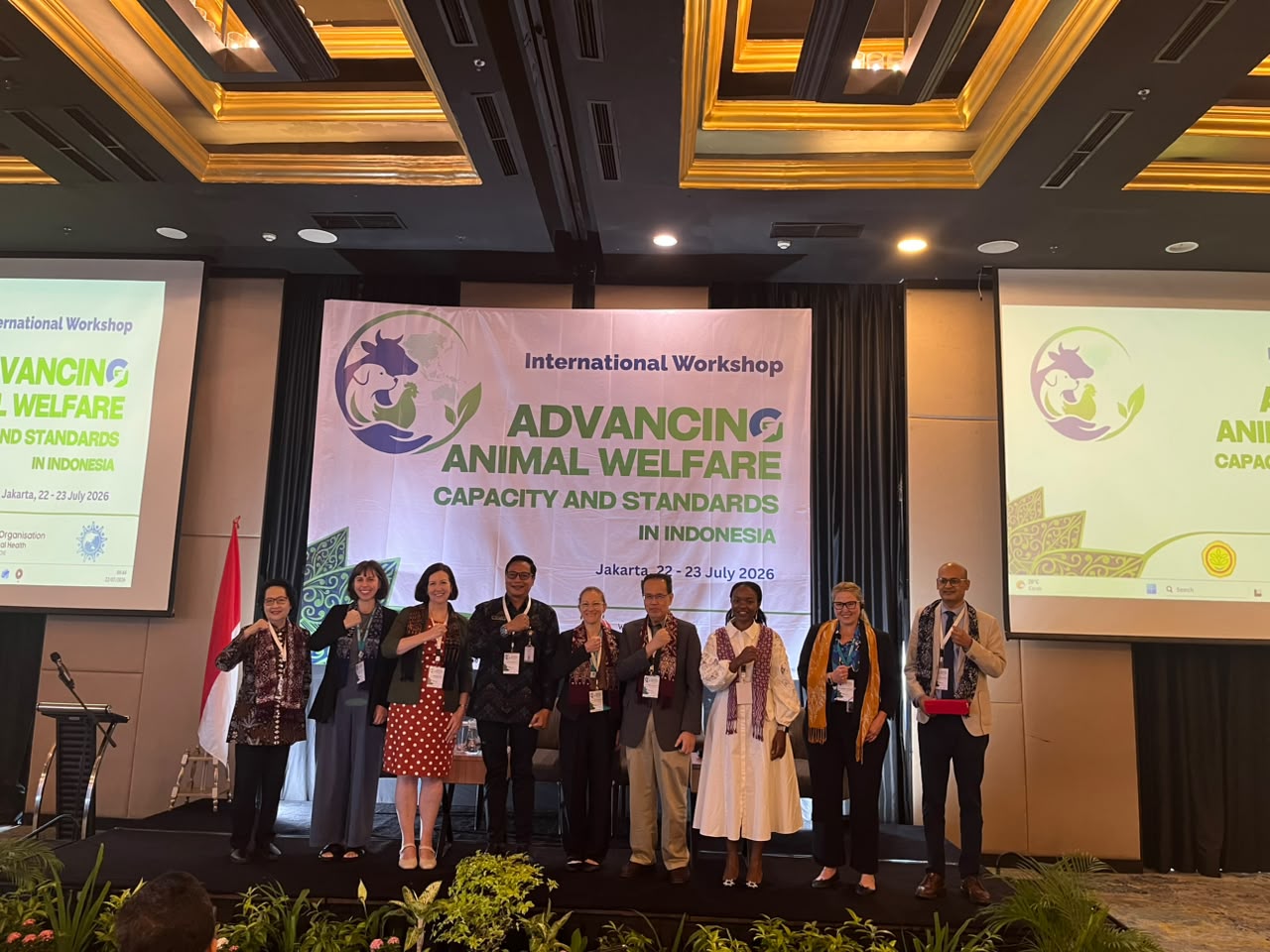
To strengthen the implementation of animal welfare principles, Indonesia’s Ministry of Agriculture (MoA), through the Directorate General of Livestock and Animal Health Services (DGLAHS), in collaboration with the World Organisation for Animal Health (WOAH) and A World of Good Initiative Inc., organized the International Animal Welfare Workshop on Wednesday (July 22, 2026). The workshop brought together experts from various countries to share experiences and enhance Indonesia’s capacity to implement animal welfare standards.
Representing the Director General of Livestock and Animal Health Services, I Ketut Wirata, Director of Veterinary Public Health at DGLAHS, emphasized in his opening remarks that animal welfare has evolved into one of the key pillars of sustainable livestock development.
According to Wirata, effective implementation of animal welfare practices not only improves animal health but also ensures safer animal-derived food products, enhances public confidence, and strengthens the competitiveness of Indonesia’s livestock products in international markets.
“Over the past decade, animal welfare has evolved from being merely an ethical responsibility into a fundamental pillar of sustainable livestock development. Good animal welfare practices result in healthier animals, safer food, greater public trust, and stronger competitiveness in global markets,” he said.
He added that animal welfare implementation is closely aligned with the One Health–One Welfare approach, which recognizes the interconnectedness of the health and well-being of animals, humans, and the environment.
“Investing in animal welfare is an investment in building a more productive, resilient, and sustainable livestock system while supporting national food security,” he added.
As part of its commitment, the Indonesian government continues to strengthen animal welfare implementation through science-based policymaking, human resource development, education, supervision, and collaboration with various stakeholders. One strategic milestone has been the issuance of Minister of Agriculture Regulation No. 32 of 2025 on Animal Welfare Implementation, which serves as the regulatory foundation for improving animal welfare governance in Indonesia.
Nevertheless, Wirata acknowledged that implementing animal welfare nationwide remains challenging due to Indonesia’s vast geography, varying regional capacities, and growing public expectations for more responsible livestock practices. At the same time, advances in veterinary science, digital technology, animal behavior research, and international partnerships present significant opportunities to strengthen animal welfare standards throughout the livestock value chain.
“No country can advance animal welfare on its own. Success can only be achieved through close partnerships among governments, academia, veterinary professionals, industry players, civil society, and international organizations. Through such collaboration, we can improve animal welfare while supporting food security, public health, environmental sustainability, and sustainable livestock development,” he said.
Meanwhile, Syed Naeem Abbas, Regional Strategy Specialist (Asia Pacific) at A World of Good Initiative Inc., praised the Indonesian government’s commitment to advancing the animal welfare agenda across Asia. He described the workshop as an important first step toward building long-term collaboration between Indonesia and the international community.
“This workshop marks the beginning of sustained collaboration to strengthen capacity, raise animal welfare standards, and develop systems capable of delivering lasting change,” said Syed.
He noted that Indonesia occupies a strategic position in advancing animal welfare in Southeast Asia. With one of ASEAN’s largest livestock sectors and a number of progressive policies already in place, Indonesia has the potential to become a regional reference for animal welfare governance.
“Animal welfare is not only about animals themselves. It is also about governance, trade, and the One Health–One Welfare approach. Improving animal welfare reduces disease prevalence, helps combat antimicrobial resistance, strengthens the economy, and enhances trade and market access. Countries that lead in implementing animal welfare standards will reap these benefits,” he stressed.
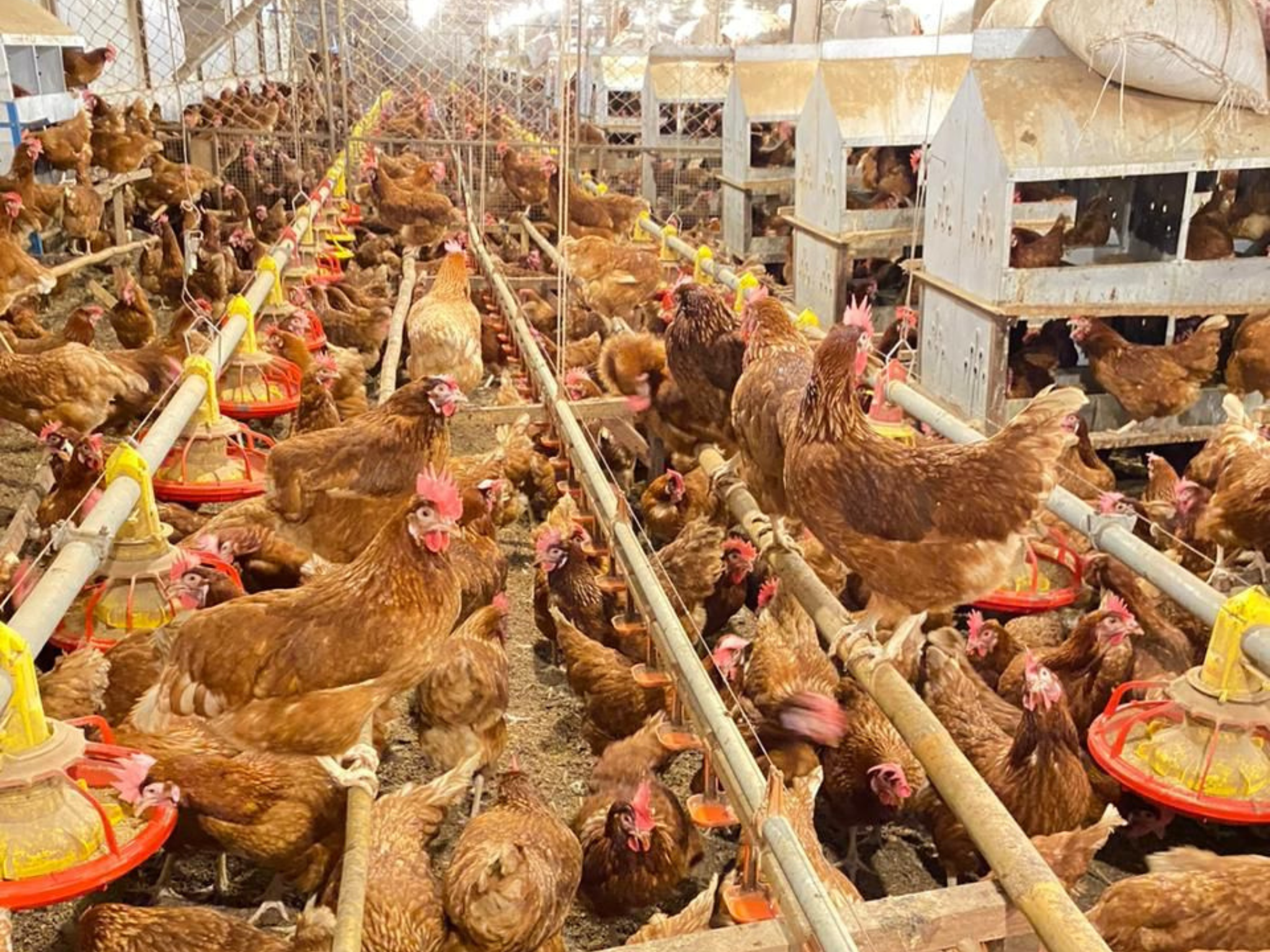
A similar perspective was shared by Zulkifli Idrus, an expert from the Institute of Tropical Agriculture and Food Security (ITAFoS), Universiti Putra Malaysia, who emphasized that implementing animal welfare—particularly in poultry production—is a long-term investment for the livestock industry.
According to him, poultry raised under good welfare conditions achieves better production performance, lower mortality rates, reduced disease risks, and higher product quality, ultimately boosting consumer confidence and industry competitiveness.
“Good animal welfare means good farming. It is good for poultry, good for farmers, good for consumers, and good for a sustainable food system,” he said.