



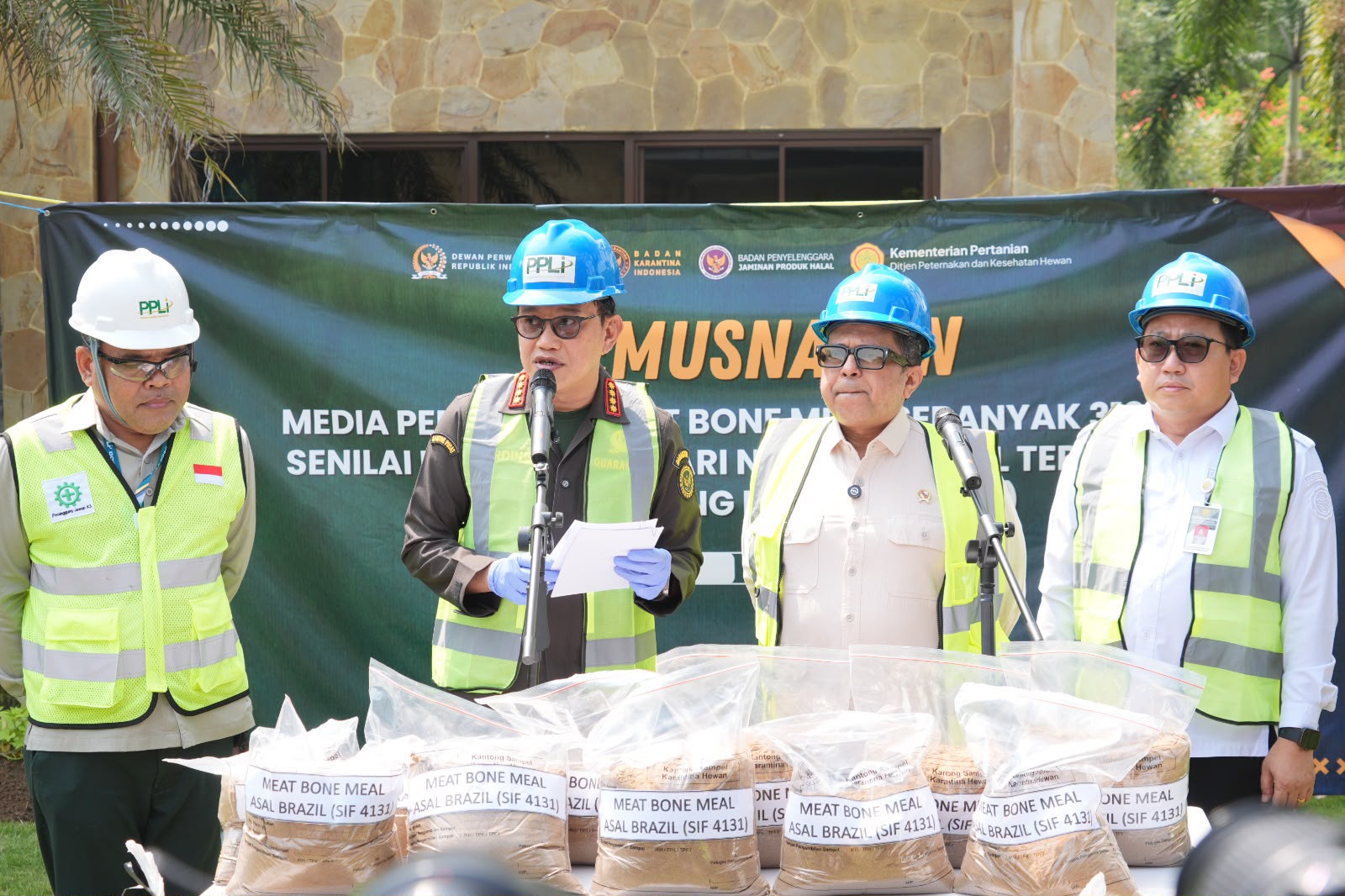
POULTRYINDONESIA, Bogor – Indonesia’s Quarantine Agency (Barantin), through the Jakarta Quarantine Main Office, has destroyed 312 tons, equivalent to 12 containers, of imported animal feed raw materials in the form of Meat Bone Meal (MBM) from Brazil after laboratory testing confirmed the presence of porcine (pig) DNA. The destruction took place on Wednesday (July 22) at the waste treatment facility of PT Prasadha Pamunah Limbah Industri (PPLI) in Cileungsi, Bogor, West Java.
The commodity, intended for Indonesia’s poultry feed industry, was destroyed following quarantine inspections that found discrepancies between the actual contents of the shipment and the Health Certificate issued by the exporting country.
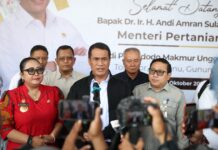
Head of the Indonesian Quarantine Agency, Abdul Kadir Karding, emphasized that the government must remain vigilant against risks posed by imported commodities, including threats related to pests and diseases as well as halal compliance.
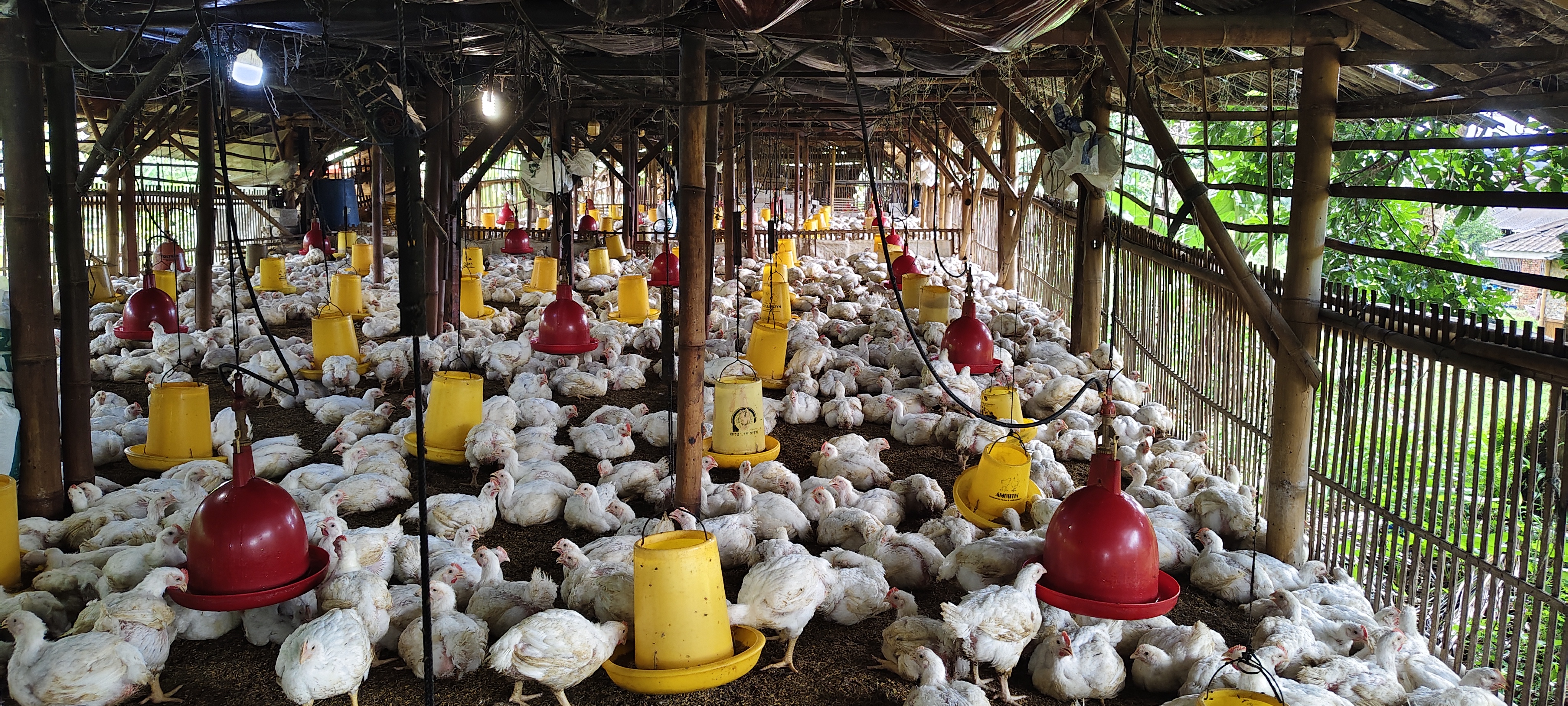
MBM (Meat and Bone Meal) is an important raw material in the poultry feed industry. Given that poultry meat and eggs are consumed by millions of Indonesians, the safety and halal status of these products must be ensured from the very beginning of the supply chain, in accordance with the ASUH principle (Safe, Healthy, Whole, and Halal).
Following the findings, the Directorate General of Livestock and Animal Health Services (DGLAHS) of the Ministry of Agriculture revoked the import approval for the rendering plant that produced the commodity. Barantin subsequently carried out quarantine measures by destroying the entire shipment on July 22, 2026.
The destruction was conducted at the PT PPLI facility using a controlled burial method after a chemical stabilization process. During this process, the MBM was mixed with Portland cement, fly ash, clay, water, and other supporting reagents. This procedure is designed to physically and chemically immobilize the waste, allowing it to be safely disposed of in an environmentally responsible landfill.
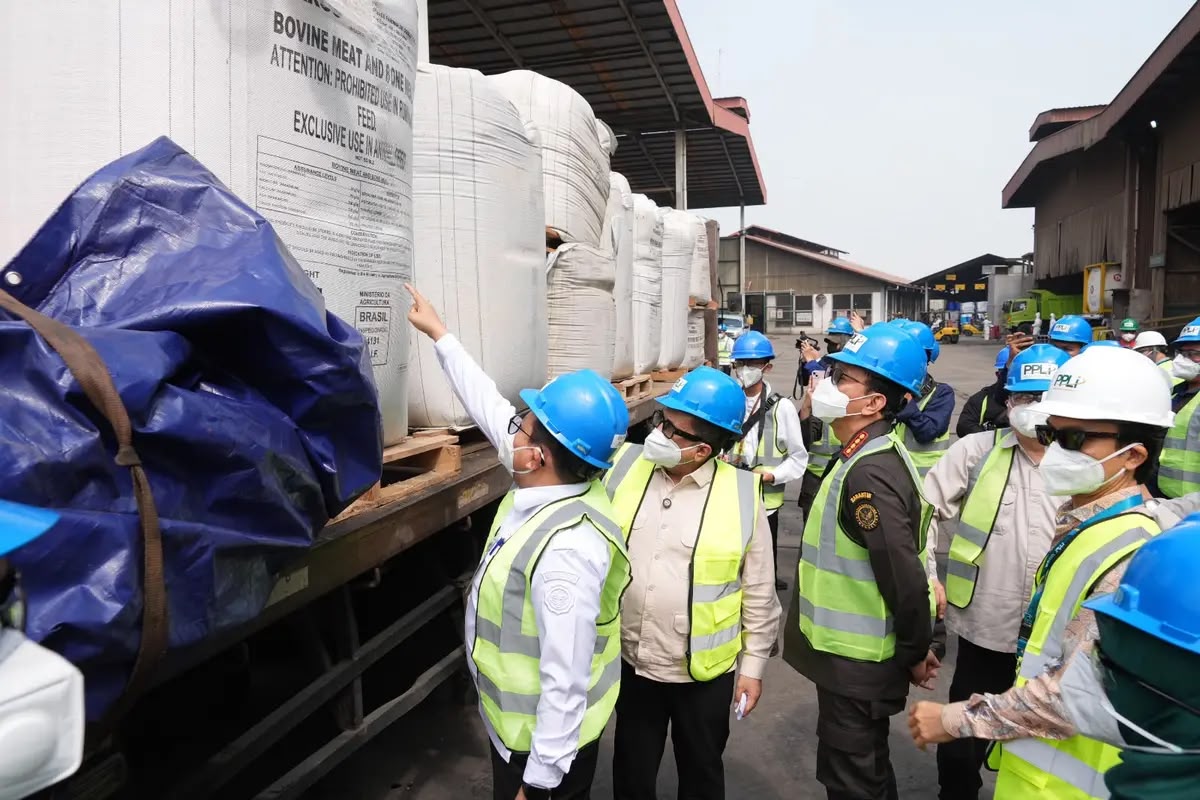 The destruction also aligns with Indonesian Ulema Council (MUI) Fatwa No. 52 of 2012 and the Resolution of the 8th National Ijtima of the Indonesian Fatwa Commission No. 8 of 2024, which state that animal feed contaminated with pigs or pig-derived substances is haram (forbidden) and may not be traded.
From a regulatory perspective, the action is based on Article 48 of Law No. 21 of 2019 concerning Animal, Fish, and Plant Quarantine, which mandates the destruction of consignments that do not comply with health documentation requirements or pose potential biosecurity threats.
The destruction was also carried out in accordance with Government Regulation No. 47 of 2014 on Animal Disease Prevention and Control, as well as Article 25(f) of Ministry of Agriculture Regulation No. 13 of 2019, which requires feed ingredients derived from ruminants to be free from pig-derived materials or porcine contamination.
Karding explained that the destruction serves as proof that all commodities detained by quarantine officers are genuinely destroyed and not reused. He expressed hope that the firm action would create a deterrent effect and prevent similar incidents from recurring.
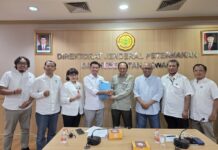
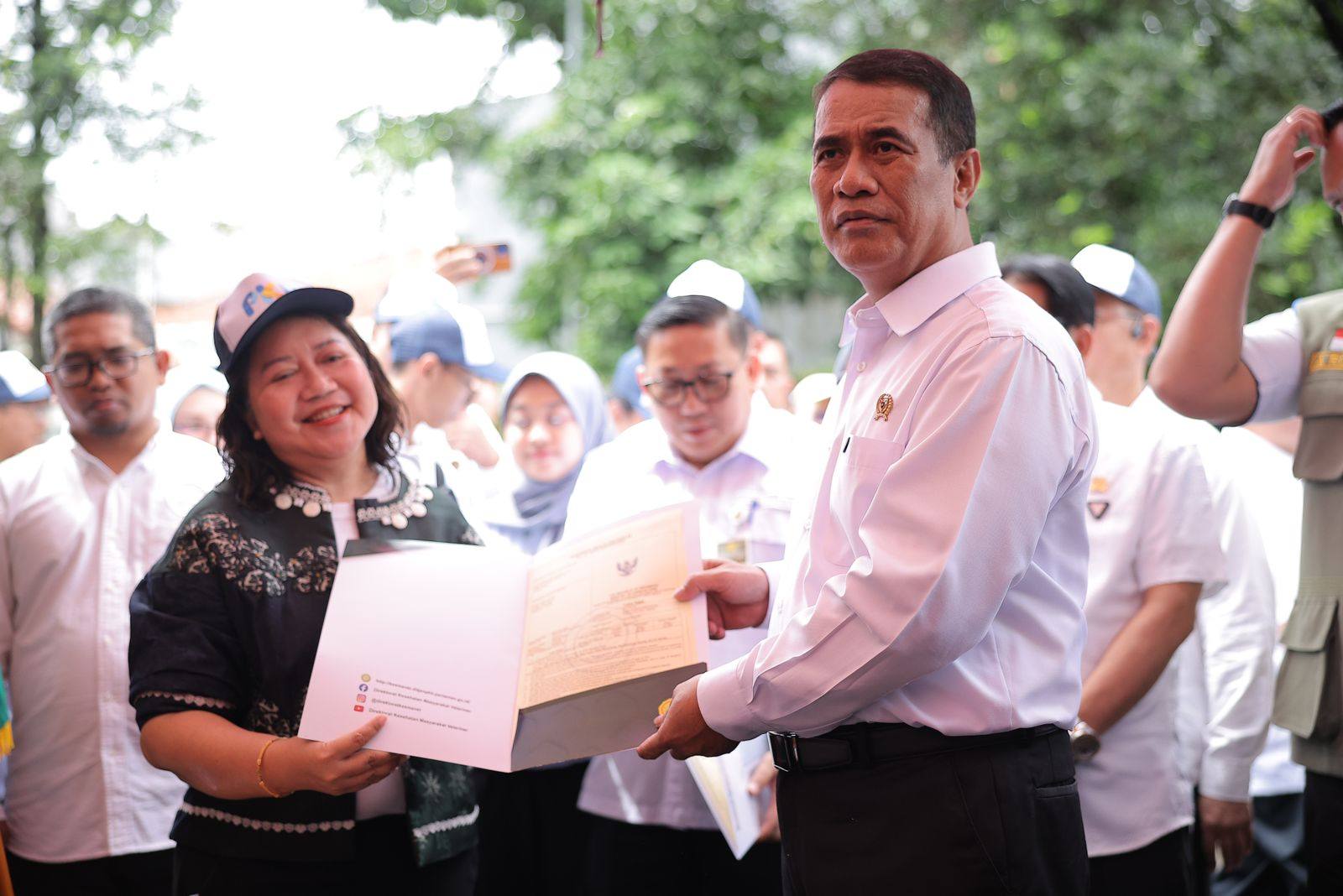
He also praised the cooperation among relevant agencies, as well as the compliance of businesses and logistics operators in following quarantine procedures. The destruction process was witnessed directly by the Head of the Halal Product Assurance Organizing Agency (BPJPH) and representatives from the Directorate General of Livestock and Animal Health Services (DGLAHS) of the Ministry of Agriculture, demonstrating transparency and a commitment to maintaining the integrity of Indonesia’s feed supply chain.
“I hope that in the future, especially business operators, will be more disciplined in complying with regulations. It does not matter who owns the business or who is behind it. If there are indications of a criminal offense in this case, I will bring it to criminal prosecution,” Karding stressed.